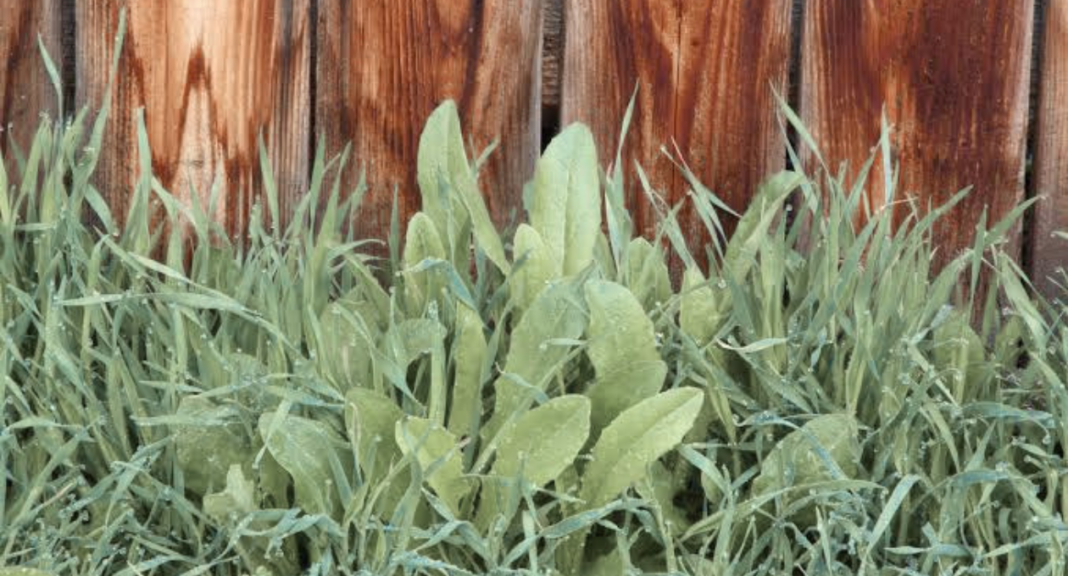

Wild Lettuce Look Alikes (Lactuca virosa and Lactuca serriola), also known as Opium Lettuce, has gained massive popularity in recent years. Foragers and herbalists seek it for its natural pain-relieving, sedative, and calming properties. The milky sap found in its stems contains lactucarium, a substance historically used as a gentle alternative to opium.
However, correctly identifying wild lettuce is critical. Several common plants look strikingly similar, and some are mildly toxic while others — such as Poison Hemlock — can be deadly. Misidentification can lead to serious health consequences. This guide will help you confidently distinguish true wild lettuce from its look-alikes.
What Does Wild Lettuce Actually Look Like?
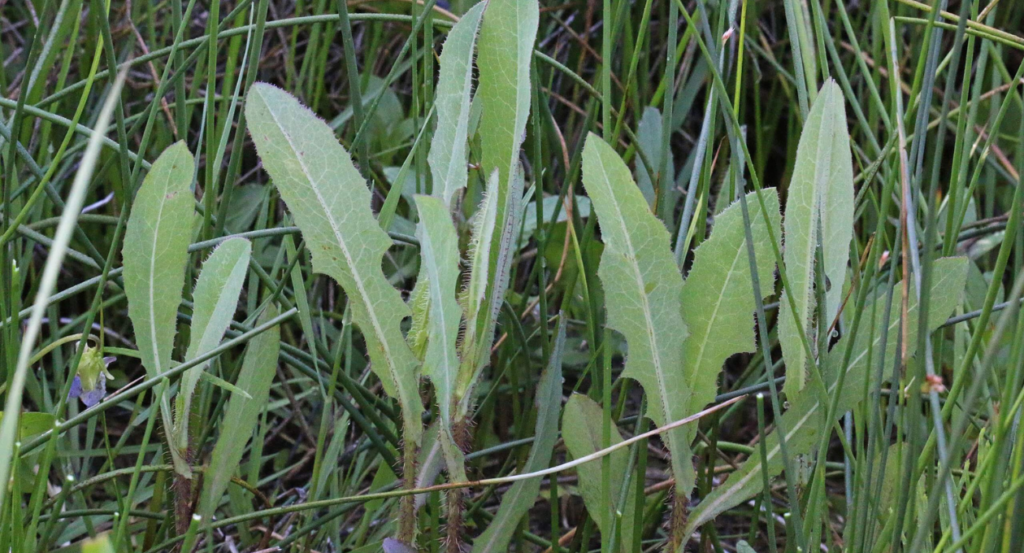
Wild lettuce is a tall biennial plant that can grow up to 6–8 feet tall. It has a single central stem that is light green, sometimes with reddish-purple streaks. The leaves are deeply lobed with prickly spines along the midrib on the underside. When the stem or leaves are broken, the plant exudes a thick, milky white sap that turns yellowish-brown when it dries.
The flowers are small, pale yellow, and dandelion-like, appearing in clusters at the top of the plant. Unlike many look-alikes, wild lettuce leaves become smaller and more sparse as they move up the tall flowering stalk.
Most Common Wild Lettuce Look-Alikes
1. Prickly Lettuce (Lactuca serriola)
This is the closest and most frequent look-alike. In many regions, people consider both L. virosa and L. serriola as “Wild Lettuce.” Prickly lettuce has similar lobed leaves and milky sap. The main difference is that L. serriola leaves usually clasp the stem with two distinct pointed “ears” at the base, and its spines are generally sharper. Both plants are generally considered medicinally useful, though L. virosa is typically more potent.
2. Sow Thistle (Sonchus oleraceus)
Sow thistle is one of the most commonly confused plants. It also produces milky white sap and has lobed leaves. However, sow thistle leaves are typically softer, more rounded, and lack the distinct row of prickles on the underside of the midrib that wild lettuce possesses. Sow thistle stems are usually hollow and more succulent. While edible and nutritious, it does not contain significant amounts of lactucarium.
3. Chicory (Cichorium intybus)
Young chicory plants can look similar to wild lettuce rosettes. Both have lobed leaves and milky sap. Chicory leaves, however, are generally hairier, and the plant produces striking blue flowers rather than pale yellow ones. Chicory is edible but has a much stronger bitter taste.
4. Dandelion (Taraxacum officinale)
In its early rosette stage, dandelion can be mistaken for young wild lettuce. Dandelion leaves have smoother, less prickly edges and a more uniform shape. Once wild lettuce begins to grow its tall flowering stalk, the difference becomes obvious. Dandelion does not produce a tall leafy stalk like mature wild lettuce.
5. Poison Hemlock (Conium maculatum) — The Most Dangerous Look-Alike
This is the one that should concern every forager. Poison hemlock can appear similar during early growth, especially in moist areas. However, hemlock has fern-like, deeply divided leaves, purple spots on the stem, and a strong unpleasant “mouse urine” smell when crushed. It does not have milky sap. Even small amounts can cause respiratory failure. Never consume a plant if you suspect it could be hemlock.
6. Groundsel (Senecio vulgaris)
Groundsel has similar leaf shapes but produces small yellow daisy-like flowers and lacks the tall, sturdy stalk of wild lettuce. It contains toxic alkaloids that can damage the liver over time.
Key Identification Tips to Avoid Mistakes
- Milky Sap Test: Break a leaf or stem. True wild lettuce and most of its safe look-alikes produce white milky latex. Poison Hemlock does not.
- Underside of Leaves: Wild lettuce has a prominent row of prickles running down the center vein on the back of the leaf. This is one of its best diagnostic features.
- Stem Structure: Wild lettuce stems are solid (not hollow) and can have purple streaks. Poison hemlock stems are hollow with purple blotches.
- Flower Color: Wild lettuce has pale yellow flowers. Chicory has bright blue flowers. Sow thistle has bright yellow dandelion-like flowers.
- Height and Growth Habit: Mature wild lettuce grows very tall (up to 8 feet) with a strong central stalk. Many look-alikes remain relatively short or bushy.
- Smell: Crush a leaf. Wild lettuce has little to no strong odor, while poison hemlock and wild parsnip have distinct foul or chemical smells.
Safety Rules for Foraging Wild Lettuce
Always follow the golden rule of foraging: When in doubt, leave it out.
Start by learning to identify the plant in its different growth stages — from basal rosette to mature flowering plant. Take clear photos of leaves (top and bottom), stems, and flowers. Cross-reference with multiple reliable field guides or foraging apps. If possible, forage with an experienced mentor the first few times.
Avoid harvesting wild lettuce from roadsides, polluted areas, or places sprayed with pesticides. Pregnant women, nursing mothers, and people with allergies to plants in the Asteraceae family should avoid it.
Final Thoughts
Wild lettuce is a valuable medicinal herb, but its look-alikes make proper identification essential. By focusing on the prickly midrib, milky sap, flower color, and stem characteristics, you can safely tell wild lettuce apart from both edible relatives and dangerous toxic plants like Poison Hemlock.
Responsible foraging means never relying on just one feature. Study the plant thoroughly, take your time, and prioritize safety over speed. When identified correctly, wild lettuce can be a powerful addition to your herbal medicine cabinet.
Faqs
1. What is Wild Lettuce and why do people forage it?
Wild lettuce (Lactuca virosa and Lactuca serriola) is a tall biennial plant known for its milky sap called lactucarium. It has been used traditionally as a natural pain reliever, sedative, and sleep aid. Many foragers and herbalists use it as a gentler alternative to opium or pharmaceutical painkillers.
2. What are the most dangerous look-alikes of Wild Lettuce?
The most dangerous look-alike is Poison Hemlock (Conium maculatum). It can cause severe poisoning or death if ingested. Other common look-alikes include Sow Thistle, Chicory, Dandelion, and Groundsel. While most of these are not deadly, they do not have the same medicinal properties as wild lettuce.
3. How can I tell Wild Lettuce apart from Poison Hemlock?
- Wild lettuce produces milky white sap when broken. Poison hemlock does not.
- Wild lettuce has a row of prickles on the underside of the leaf midrib. Poison hemlock has fern-like leaves and purple spots on the stem.
- Poison hemlock has a strong, unpleasant “mouse-like” or chemical smell when crushed. Wild lettuce has little to no scent.
4. Is Prickly Lettuce the same as Wild Lettuce?
Prickly Lettuce (Lactuca serriola) is very closely related to Lactuca virosa. Many foragers consider both species as “Wild Lettuce.” They look almost identical and both contain lactucarium, though L. virosa is generally regarded as more potent. Both are generally considered safe when correctly identified.
5. Does milky sap mean a plant is definitely Wild Lettuce?
No. Many look-alikes such as Sow Thistle, Chicory, and Dandelion also produce milky white sap. You must look at multiple features — especially the prickly midrib on the underside of the leaves, leaf shape, flower color, and stem structure — before confirming identification.
Read This: