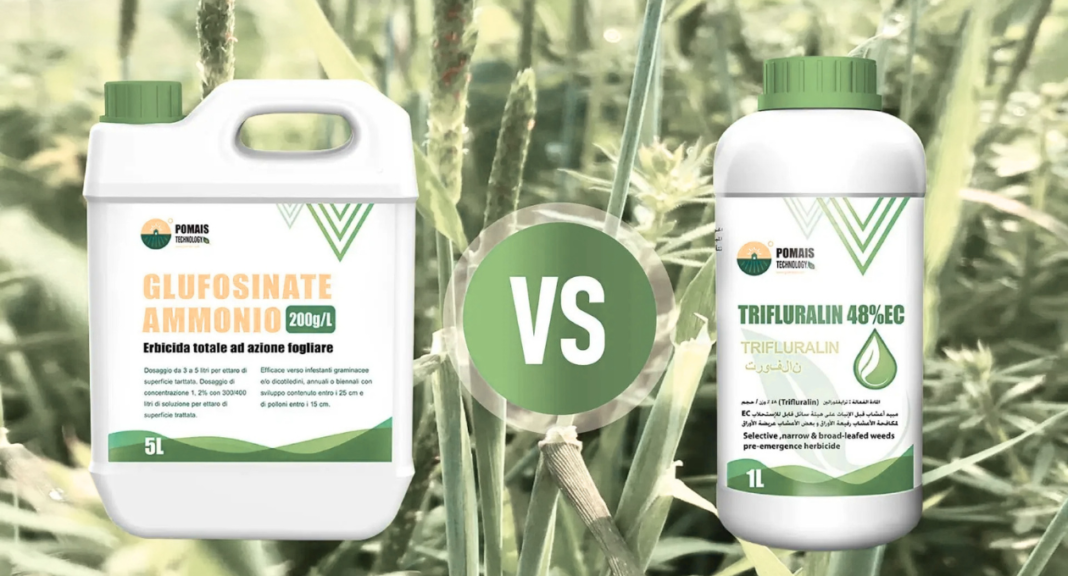

Herbicides remain a key tool for managing unwanted vegetation in agriculture, forestry, rights-of-way, and home landscapes. Two widely used options are Triclopyr vs Glyphosate . Glyphosate, the active ingredient in products like Roundup, is a non-selective, broad-spectrum herbicide. Triclopyr, found in formulations such as Garlon, is more selective and particularly effective against woody plants and certain broadleaf weeds. This comparison covers their chemistry, uses, strengths, limitations, and practical considerations so users can select the appropriate product while following label directions and local regulations.
What Is Glyphosate?
Glyphosate is a systemic, non-selective herbicide that inhibits the EPSPS enzyme in the shikimate pathway, blocking aromatic amino acid synthesis essential for plant growth. It is absorbed through foliage and translocated throughout the plant, including roots, making it effective against a wide range of annual and perennial weeds, grasses, and some woody species when applied at adequate rates.
Introduced in the 1970s, glyphosate became ubiquitous due to its relatively low cost, broad activity, and compatibility with glyphosate-resistant crops. It is commonly used in no-till agriculture, industrial sites, and general vegetation control. Because it kills most plants it contacts, applications require care to avoid desirable vegetation. It typically has low soil residual activity as it binds tightly to soil particles, reducing leaching in many conditions, though runoff and aquatic concerns exist depending on formulation and site.
What Is Triclopyr?
Triclopyr is a synthetic auxin herbicide that mimics plant growth hormones, causing uncontrolled, distorted growth that leads to plant death. It is more selective than glyphosate: many grasses show good tolerance, while it strongly affects many broadleaf plants, vines, and woody species. It is translocated similarly to glyphosate and is especially valued for controlling brush, trees, and invasive woody plants such as kudzu, poison ivy, multiflora rose, and certain hardwoods.
Triclopyr is frequently applied as foliar sprays, basal bark treatments, or cut-stump applications. It is common in forestry, utility corridors, pastures (where grass preservation is desired), and invasive species management. Formulations vary (amine vs. ester), affecting volatility, rainfastness, and aquatic labeling. Soil persistence is generally moderate, with mobility depending on soil type and conditions.
Key Differences
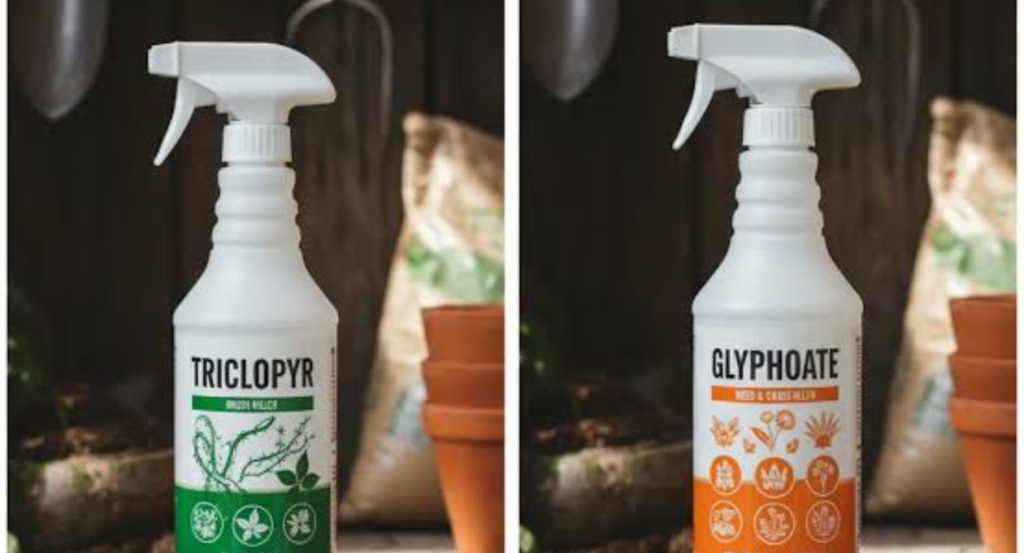
Selectivity is the most important practical distinction. Glyphosate is non-selective and will damage or kill most plants, including grasses. Triclopyr spares many grasses while targeting broadleaves and woody plants, making it preferable in mixed stands or when grass cover should remain.
Target spectrum differs accordingly. Glyphosate handles a very wide range of herbaceous weeds and some perennials. Triclopyr excels against woody vegetation and specific broadleaf weeds that glyphosate may control less efficiently or require higher rates or repeat applications to manage.
Mode of action affects resistance management and symptoms. Glyphosate’s enzyme inhibition produces gradual yellowing and death. Triclopyr’s auxin disruption causes twisting, epinasty, and rapid distortion, often visible sooner on susceptible plants.
Application methods overlap but diverge in specialized uses. Both are typically foliar-applied, but triclopyr has well-established basal bark and cut-stump protocols that are highly effective for trees and shrubs with less overall spray volume. Glyphosate cut-stump treatments exist but are generally less preferred for many woody species.
Environmental behavior also varies. Glyphosate binds strongly to soil in most cases, limiting leaching, though it can move with sediment. Triclopyr can be more mobile in some soils and has specific aquatic use restrictions or formulations. Both have documented effects on non-target plants via drift, and both require buffers near water in many labeled uses. Mammalian toxicity for both is relatively low when used according to labels, but protective equipment, mixing precautions, and re-entry intervals still apply. Public debate around glyphosate (including IARC classification versus regulatory agency assessments) has been more prominent; triclopyr has its own data on aquatic organisms and potential endocrine effects that users should review on current labels and safety data sheets.
Resistance is a growing issue. Glyphosate-resistant weeds are widespread in agricultural systems. Triclopyr resistance is less common but possible, particularly with repeated use of auxinic herbicides. Rotation or tank-mixing (where labeled) can help.
When to Choose Each
Use glyphosate for total vegetation knockdown, pre-plant burndown, or sites where nearly all plants are unwanted and grass kill is acceptable. It is often more economical for large-scale herbaceous weed control.
Choose triclopyr when woody plants, vines, or specific broadleaves are the primary targets and grass preservation matters, such as in pastures, rights-of-way with mixed vegetation, or forestry site preparation. Combination products or sequential applications are sometimes used where both spectra are needed, always following label compatibility and rates.
Safety, Regulations, and Best Practices
Always read and follow the product label—the legal document for use. Wear appropriate PPE, calibrate equipment, avoid drift, and observe water setbacks. Both herbicides can harm non-target plants and aquatic life if misapplied. Check local restrictions, as some jurisdictions limit glyphosate or specific triclopyr uses. Store and dispose of containers properly. Integrated approaches (mechanical, cultural, and targeted chemical) generally outperform sole reliance on any single herbicide.
Conclusion
Glyphosate offers unmatched broad-spectrum, cost-effective control for many herbaceous situations but lacks selectivity. Triclopyr provides targeted power against woody and broadleaf species while often sparing grasses, making it the better specialist tool for brush and invasive plant programs. Neither is universally superior; the right choice depends on the vegetation present, desired residual cover, site conditions, and resistance considerations. Consult current labels, extension resources, or licensed applicators for site-specific recommendations. Responsible, labeled use remains essential for efficacy and environmental stewardship.
Read This: