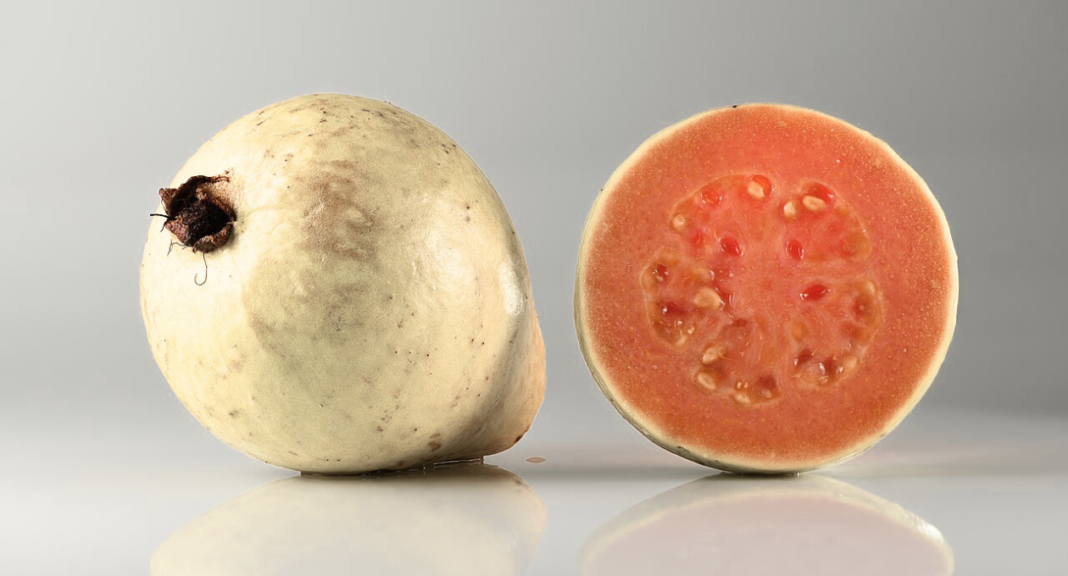

fruits that look like guava is instantly recognizable with its smooth or slightly bumpy skin, oval to round shape, and that unmistakable sweet-tropical fragrance. However, several other fruits bear a surprisingly strong resemblance to guava, often leading to mix-ups at markets, especially in tropical regions.
Whether you’re a fruit lover, home cook, or someone who enjoys exploring exotic produce, knowing these guava doppelgangers is both useful and fascinating. In this article, we explore seven fruits that look like guava, how to tell them apart, their flavor profiles, origins, and why they deserve a spot in your kitchen.
1. Feijoa (Pineapple Guava)
Feijoa is the closest look-alike to common guava. It has the same oval shape, dull green skin, and similar size (usually 2–3 inches long). Many people mistake it for unripe guava at first glance.
However, feijoa belongs to a different genus (Acca sellowiana). When you cut it open, the flesh is creamy white with a jelly-like center, and it tastes like a blend of pineapple, mint, and banana with floral notes — quite different from guava’s pink or white flesh and musky sweetness. Native to South America, feijoa is extremely popular in New Zealand, Australia, and California. It’s rich in vitamin C, fiber, and antioxidants.
Pro tip: Feijoa is ripe when it yields slightly to touch and has a strong perfume. Guava tends to be softer and more fragrant when fully ripe.
2. Wax Apple (Java Apple)
Wax apples have a smooth, waxy skin that can be light green to pale pink. Some green varieties look remarkably like young guavas in shape and sheen. The fruit is bell-shaped rather than perfectly round, with a crisp, watery texture similar to a mild pear or apple.
Unlike guava’s intense aroma and seedy pulp, wax apple has a subtle, rose-like sweetness with very little flavor intensity. It’s extremely popular across Southeast Asia, especially in Thailand, Taiwan, and India. It’s low in calories and high in hydration, making it a favorite summer fruit.
3. Rose Apple
Rose apples are another member of the Syzygium family that can be easily confused with guava when young and green. They have smooth, thin skin and a somewhat squat, rounded shape.
The biggest difference becomes obvious once you bite into them — rose apples are crisp, watery, and have a distinct rosewater perfume. The flesh is hollow with a few seeds, unlike guava’s dense, seedy interior. They have a mild, floral sweetness that many find refreshing but less complex than guava. Native to Southeast Asia, they are widely grown in India, where they’re called “Jamun” in some regions (though true Jamun is different).
4. Sugar Apple (Custard Apple)
At first glance, sugar apples can look like very bumpy guavas. Their light green, segmented skin gives them a textured appearance that some varieties of guava also possess.
Once opened, the similarity ends. Sugar apple has creamy, sweet white segments that taste like custard mixed with pear and banana. It’s much sweeter and has a completely different eating experience. Native to the Americas, it is now widely cultivated in India, Thailand, and the Philippines. It’s an excellent source of dietary fiber and vitamin C.
5. White Sapote
White sapote is often called “the fruit that looks like a green apple or guava.” It has smooth, thin green to yellow skin and a round to slightly oval shape. The flesh is creamy white and custard-like — similar to the soft texture of very ripe guava.
However, white sapote has a unique vanilla-custard flavor with hints of banana and peach. It bruises very easily, which is one way to distinguish it from hardier guavas. Originally from Mexico and Central America, it’s considered a delicacy in California and parts of Latin America.
6. Surinam Cherry (Pitanga)
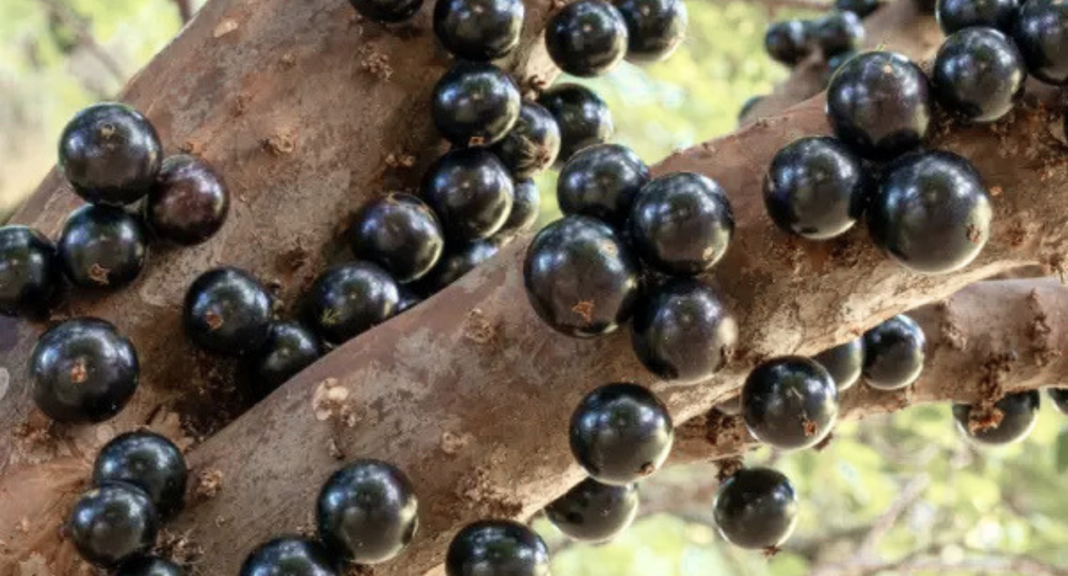
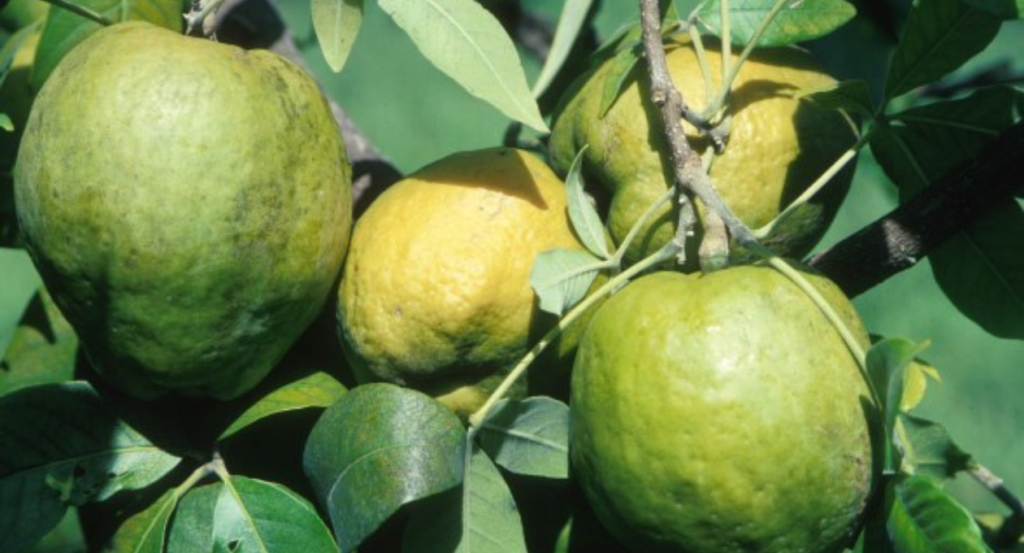
While smaller than most guavas, Surinam cherries when unripe are bright green and have a ribbed, pumpkin-like shape that can remind people of miniature guavas. As they ripen, they turn deep red or black.
The flavor is intensely tart and resinous — nothing like guava’s sweetness. The fruit is rich in vitamins and antioxidants and is often used to make jams and juices in Brazil, where it originates. It’s also popular in Florida and Hawaii.
7. Passion Fruit (Green Varieties)
Some large green passion fruits can be mistaken for guava due to their round shape and smooth, firm green skin. However, passion fruits usually have more pronounced wrinkles as they ripen.
Inside, the difference is dramatic — passion fruit contains black seeds suspended in highly aromatic, tangy golden pulp. The flavor is much more acidic and floral compared to guava. Native to South America, it is now grown globally and prized for its intense taste and high vitamin C and A content.
How to Tell Guava Apart From Its Look-Alikes
- Smell test: Guava has a very strong, musky-sweet tropical aroma. Most look-alikes are milder or smell floral (rose apple, feijoa).
- Texture: Guava flesh is usually grainy due to many small hard seeds. Feijoa and white sapote are smoother and creamier.
- Inside color: Guava often has pink, salmon, or bright white flesh. Many look-alikes are pure white or yellowish.
- Skin: Guava skin is thicker and sometimes rough. Wax apples feel almost plastic-like and waxy.
Final Thoughts
The world of tropical fruit is full of delightful surprises. While these seven fruits look like guava from the outside, each offers a completely different taste experience. Exploring them not only prevents confusion at the market but also broadens your culinary horizons.
Next time you see an unfamiliar green oval fruit, don’t just assume it’s guava — pick it up, smell it, and try something new. You might discover your new favorite fruit.
Whether you love feijoa’s minty pineapple notes or the crisp refreshment of wax apple, these guava look-alikes prove that Mother Nature loves playing visual tricks on us.
Read This: