
They say an Apple Like Fruit a day keeps the doctor away, but what about the fruits that merely pretend to be apples? Scattered across orchards, tropical hillsides, and ancient gardens around the world are a surprising number of fruits that share the apple’s round silhouette, smooth skin, and satisfying hand feel—yet offer entirely different flavors, textures, and stories. Some are botanical cousins; others aren’t even distant relatives. Let’s take a tour of nature’s best apple impersonators.
The Quince: The Apple’s Ancient Ancestor
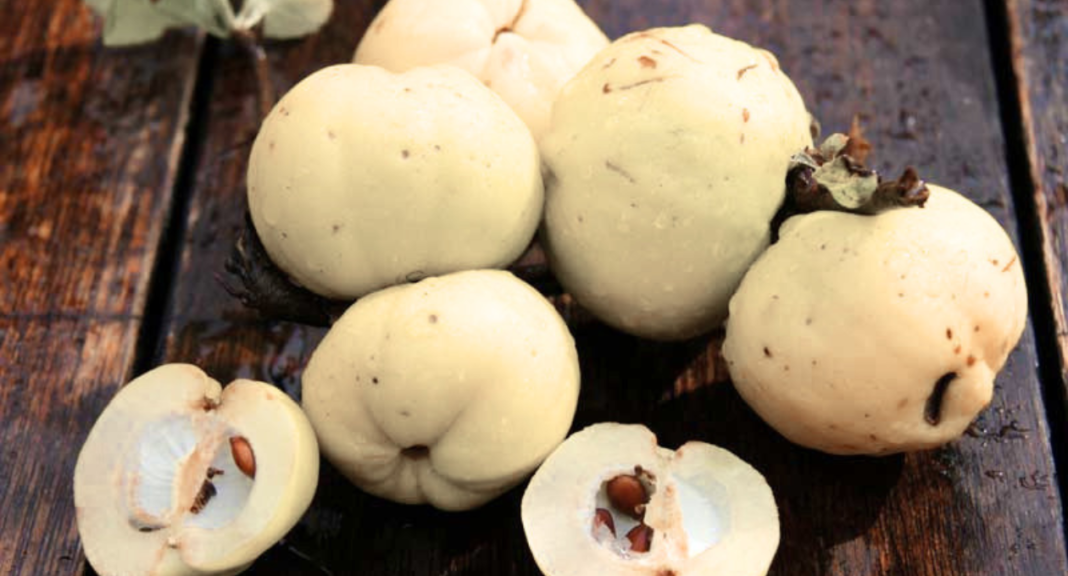
If any fruit deserves the title of “apple look-alike royalty,” it’s the quince. With its lumpy, golden-yellow body and slightly fuzzy skin, the quince looks like an apple that spent a little too long in the sun. But this fruit is no mere copycat—many botanists believe quinces may actually be ancestors of the cultivated apples we enjoy today.
Raw, a quince is astringent, hard, and nearly inedible. Cooked, however, it undergoes a magical transformation: the pale flesh turns a deep rosy pink and releases an intoxicating floral-honey aroma. This is why quince has been prized for millennia in the form of jams, jellies, and the famous Spanish paste known as membrillo, traditionally served alongside manchego cheese.
The Asian Pear: Crisp Like an Apple, Juicy Like a Pear
Walk through any Asian market and you’ll spot piles of round, tan-golden fruits labeled “apple pears”—and the nickname is fitting. The Asian pear has the round shape and crisp crunch of an apple, but it’s genuinely a pear. Unlike European pears, which soften as they ripen, Asian pears stay firm and shatteringly crisp, bursting with refreshing juice.
They’re delicious eaten fresh, often peeled and sliced, and they hold their texture beautifully in salads and slaws. In Korea and Japan, they’re also used in marinades, where their natural enzymes tenderize meat—a clever trick worth trying at home.
The Loquat: The Little Golden Apple
Native to China and beloved across Japan, the Mediterranean, and the American South, the loquat is like a miniature golden apple that grows in cheerful clusters on evergreen trees. Its smooth, orange skin and rounded shape give it all the apple’s charm in a bite-sized package.
Inside, the flesh is juicy and sweet-tart, with a flavor often described as a blend of peach, citrus, and mild mango. Loquats bruise easily and don’t travel well, which is why they remain a treasured local treat rather than a supermarket staple. If you ever spot them at a farmers market, grab them—they make superb jams, chutneys, and pies.
The Medlar: Shakespeare’s Strange Favorite
The medlar might be the quirkiest apple look-alike of all. Shaped like a small russeted apple with a distinctive open bottom, this ancient fruit was a winter staple in medieval Europe. Shakespeare famously poked fun at its unusual appearance, and its odd reputation has stuck for centuries.
Here’s the catch: medlars must be bletted—allowed to soften almost to the point of spoiling—before they become edible. Once the flesh turns brown and custardy, it tastes like spiced applesauce with hints of date and cinnamon. It’s a fruit that rewards patience in the most delicious way.
The Rose Apple: A Tropical Mirage
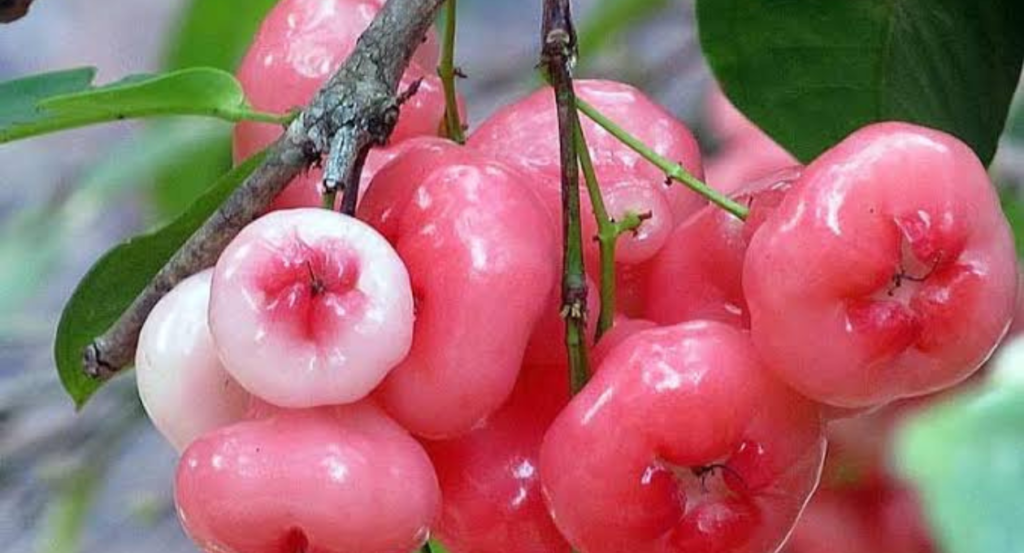
Despite the name, the rose apple isn’t an apple at all—it’s actually a relative of the clove and belongs to the myrtle family. This glossy, bell-to-round fruit grows throughout tropical Asia and the Caribbean, and its pale yellow skin gives it an uncanny apple-like appearance.
Bite in, though, and the illusion dissolves: the flesh is crisp but cottony, with a pronounced perfume of rose water. It’s eaten fresh, tossed into fruit salads, or simmered into fragrant syrups. One bite, and you’ll understand why travelers describe it as eating a flower.
The Star Apple: Beauty Hidden Inside
Cut open a star apple, and you’ll discover its secret: a stunning star-shaped pattern radiating from the core. Native to the Caribbean and Central America, this round fruit comes in deep purple or pale green skin with a smooth, apple-like surface.
The flesh is soft, jelly-like, and intensely sweet—imagine grape, persimmon, and vanilla swirled together. Locals scoop it out by the spoonful, since the slightly bitter latex in the skin is best avoided. In Jamaica and the Philippines, it’s a cherished street-side snack on hot afternoons.
Why Do So Many Fruits Copy the Apple?
Evolution loves a good design. The apple’s round shape, sturdy skin, and convenient size make it easy for animals to spot, carry, and disperse—which is why nature keeps refining similar forms across completely unrelated plant families. Scientists call this convergent evolution, and fruit bowls everywhere are the happy beneficiaries.
Final Thoughts
The next time you reach for an apple, pause and consider its many look-alikes. Whether it’s a honey-scented quince, a crisp Asian pear, or a rose-perfumed tropical gem, each of these fruits offers a flavor adventure the ordinary apple simply can’t match. Your local farmers market or Asian grocery is the perfect place to begin your tasting journey. After all, variety isn’t just the spice of life—it’s the crunch of it, too.
Read This: