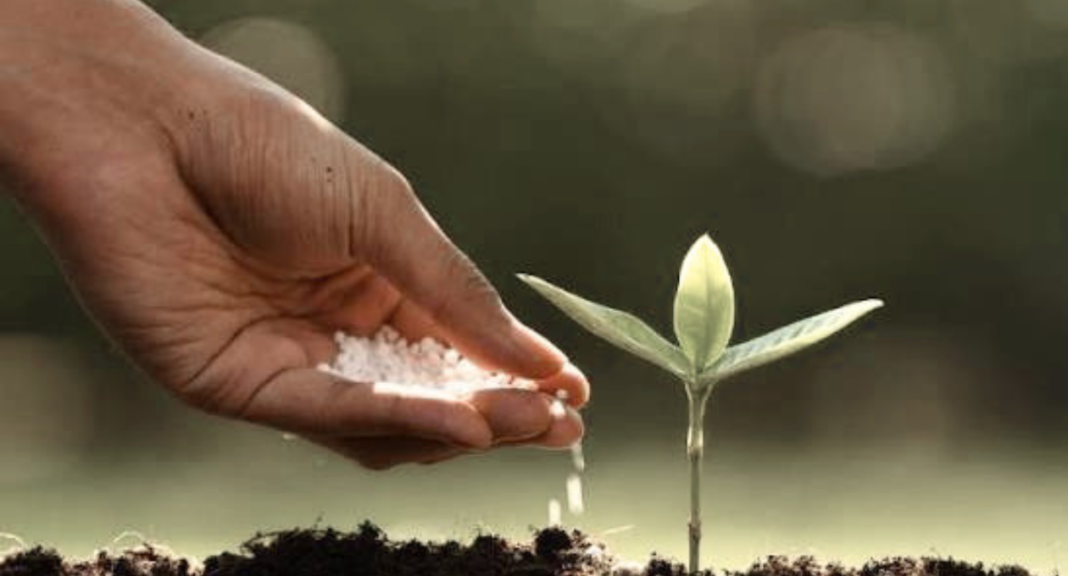

Weeds are the eternal enemy of every gardener. When chemical herbicides feel too harsh, many people turn to “natural” solutions. One of the most commonly recommended homemade weed killers Does Epsom Salt Kill Weeds. You’ve probably seen the viral recipes: mix Epsom salt with vinegar and dish soap, spray it on weeds, and watch them die.
But does Epsom salt actually kill weeds? Or is this another internet gardening myth?
What Is Epsom Salt?
First, let’s clear up a common confusion. Epsom salt is not table salt. Table salt is sodium chloride (NaCl), while Epsom salt is magnesium sulfate (MgSO₄). It’s the same compound used in bath soaks and as a fertilizer supplement for magnesium-loving plants like tomatoes, peppers, and roses.
Because it’s a salt, many assume it will dehydrate and kill weeds the same way rock salt or table salt does. The reality is more nuanced.
Does Epsom Salt Kill Weeds? The Honest Answer
Short answer: It can help, but it’s not nearly as effective as people claim — especially when used alone.
Epsom salt does have some herbicidal properties because it can draw moisture out of plant tissues through osmosis. However, magnesium sulfate is significantly less effective at killing plants than sodium-based salts. Most of the “weed-killing” power in popular DIY recipes actually comes from the vinegar (acetic acid), not the Epsom salt.
Tests and gardener reports consistently show:
- Young, tender weeds may show browning and die-back within a few days.
- Established perennial weeds (dandelions, bindweed, thistle, crabgrass) usually survive and regrow.
- The spray mostly burns the leaves (contact action) rather than killing the root system.
In other words, Epsom salt weed killer is more of a weed suppressor than a true weed killer.
The Popular Epsom Salt Weed Killer Recipe
Here’s the most common formula shared online:
Ingredients:
- 1 gallon white vinegar (20% horticultural vinegar works much better than 5% household vinegar)
- 1 cup Epsom salt
- 1–2 tablespoons liquid dish soap (helps the solution stick to leaves)
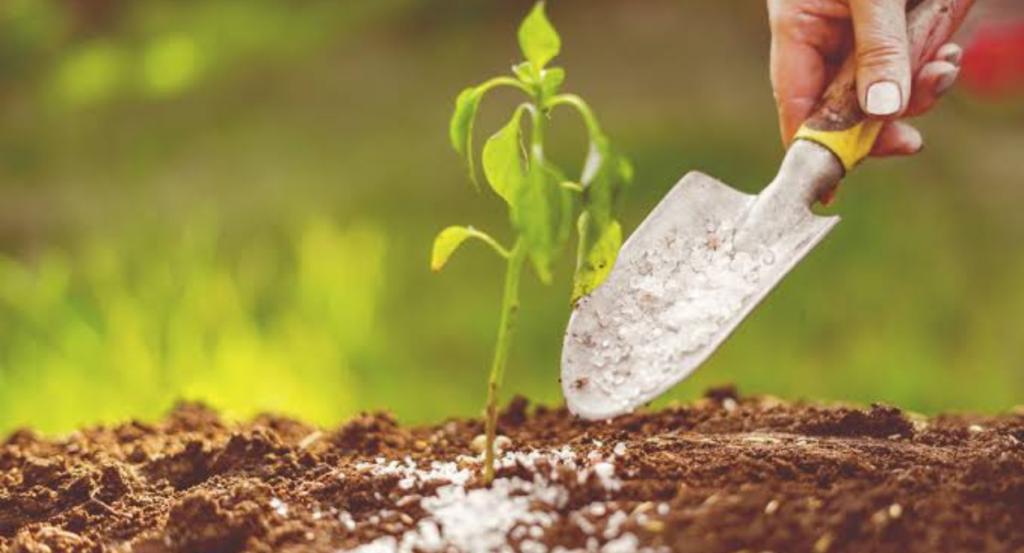
Instructions:
- Dissolve the Epsom salt in the vinegar.
- Add the dish soap and stir gently.
- Pour into a spray bottle or garden sprayer.
- Spray directly on weeds on a hot, sunny day. Avoid spraying desirable plants.
The Epsom salt helps dry out the plant faster, while the vinegar’s acidity burns the foliage. The soap breaks the surface tension so the mixture coats the leaves effectively.
Pros and Cons of Using Epsom Salt on Weeds
Pros:
- Cheap and easy to find
- Less toxic than synthetic herbicides
- Relatively safe around pets when dry
- Can provide magnesium to the soil (in theory)
Cons:
- Not effective on mature or deep-rooted weeds
- Needs repeated applications
- Can damage soil structure and beneficial microbes if overused
- May harm nearby plants if the spray drifts
- Vinegar + salt combinations can leave the ground sterile for weeks or months
When It Actually Makes Sense to Use It
Epsom salt weed killer is best used in areas where you want nothing to grow — such as:
- Cracks in driveways and sidewalks
- Between pavers
- Along fence lines
- Gravel paths
It is not recommended in vegetable gardens, flower beds, or lawns unless you’re extremely careful with application.
Better Natural Weed Control Methods
If your goal is truly effective, long-term weed management, consider these superior alternatives:
- Horticultural Vinegar (20–30%) — Much more effective than household vinegar.
- Boiling Water — Excellent for cracks and driveways.
- Mulching — The best long-term prevention method.
- Hand Pulling or Hori Hori Knife — Most effective for garden beds.
- Flame Weeding — Surprisingly fast and satisfying.
- Corn Gluten Meal — Acts as a natural pre-emergent.
Final Verdict
So, does Epsom salt kill weeds?
It can contribute to killing young annual weeds when combined with vinegar and soap, but it is not a powerful or reliable standalone weed killer. The reputation is largely overhyped.
If you want to try it, go ahead — it’s inexpensive and relatively safe. Just don’t expect it to replace proper weed management. For serious weed problems, you’re better off using stronger vinegar solutions, physical removal, or targeted mulching.
The real value of Epsom salt lies in its original purpose: giving your vegetables and flowers a magnesium boost. Save it for your tomatoes, not your driveway weeds.
Read This: