
From the smooth skin of an apple to the glossy peel of a mango, most fruits aim for a sleek exterior. But some of the most delicious fruits in the world chose a completely different path — they wear a soft, Fuzzy Fruits coat. These “fuzzy fruits” aren’t just unusual; their velvety texture serves important biological purposes while delivering exceptional flavor and nutrition.
Fuzzy fruits have a unique sensory appeal. That soft, peach-fuzz feel creates anticipation before you even take a bite. In this article, we explore the science behind fuzzy skin, the best fuzzy fruits you should be eating, their health benefits, and creative ways to enjoy them.
Why Are Some Fruits Fuzzy?
The fuzzy texture found on many fruits is actually made of tiny hair-like structures called trichomes. These microscopic hairs serve as a natural defense system. They protect the fruit from:
- Excessive water loss
- Harmful UV radiation
- Insect attacks
- Temperature fluctuations
In many cases, the fuzz also makes the fruit less attractive to birds and animals before it is fully ripe. Once the fruit reaches perfect ripeness, the combination of sweetness and softening skin signals that it’s time to be eaten, helping spread seeds.
Some of the most beloved fuzzy fruits include peaches, apricots, kiwifruit, and several exotic varieties. While some people peel the fuzz off, many experts now recommend eating it, as it contains additional fiber and beneficial plant compounds.
Top Fuzzy Fruits You Should Know
1. Peaches
The undisputed king of fuzzy fruits. A perfectly ripe peach has soft, velvety skin that gives way to sweet, juicy flesh. Yellow peaches are classic, while white peaches tend to be sweeter and less acidic. Don’t discard the skin — it contains powerful antioxidants and fiber.
2. Apricots
Smaller than peaches but equally fuzzy, apricots offer a beautiful orange hue and a delicate floral sweetness. Their fuzz is usually finer and softer. Apricots are highly nutritious and particularly rich in beta-carotene and vitamin A.
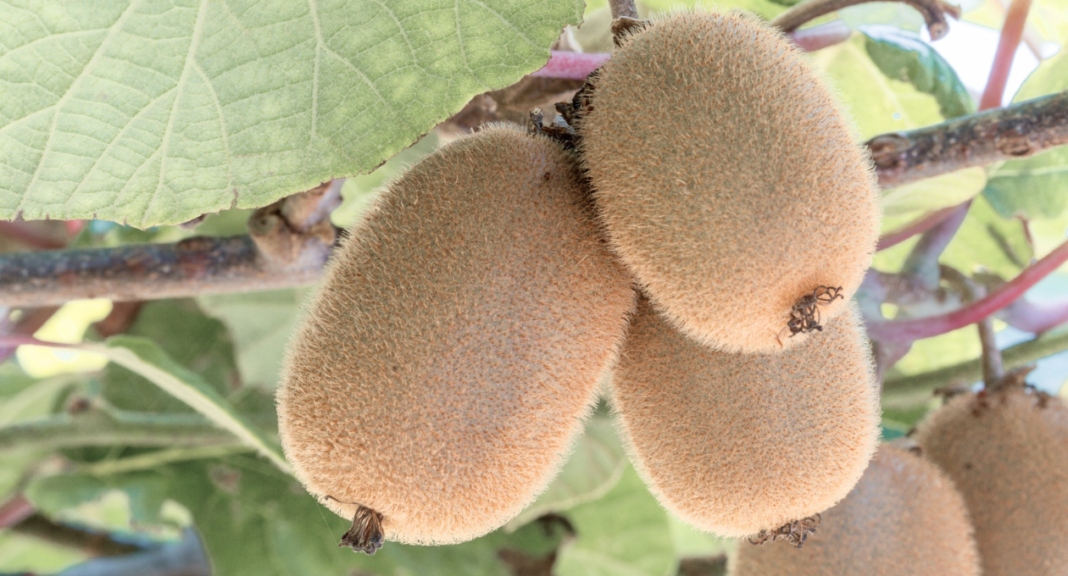
3. Kiwifruit (Fuzzy Kiwi)
Most people don’t realize that the brown, hairy exterior of a kiwi is technically “fuzzy.” Beneath that rough-looking coat lies bright green (or golden) flesh packed with more vitamin C than an orange. The skin itself is edible and contains extra fiber and nutrients.
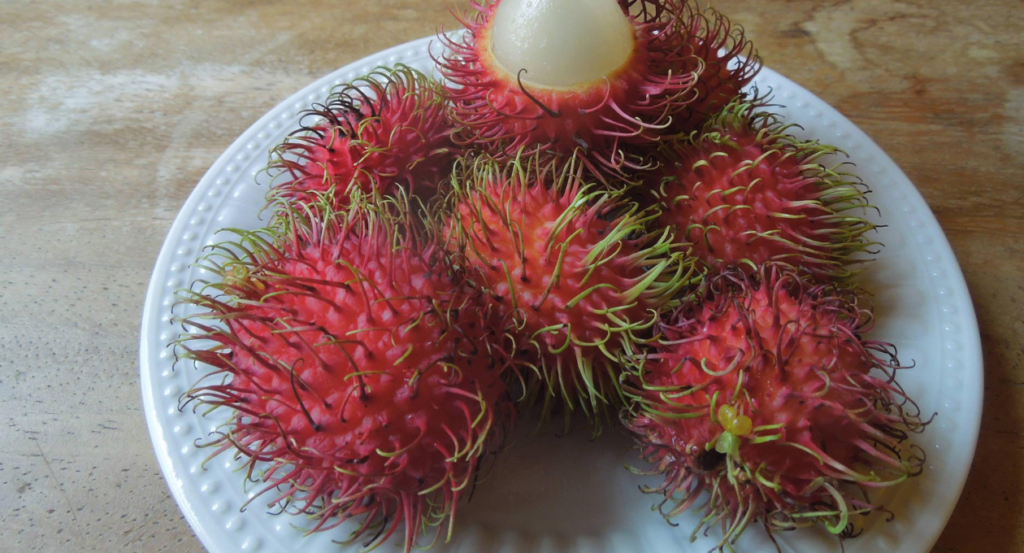
4. Rambutan
This exotic Southeast Asian fruit looks like a hairy red ball. Its long, soft spines give it a dramatic fuzzy appearance. Inside is a sweet, juicy, translucent flesh similar to lychee but often more flavorful. Rambutans are rich in vitamin C and antioxidants.
5. Lychee
While smoother than rambutan, lychees still have a slightly bumpy, soft outer texture that many describe as fuzzy. Their floral aroma and sweet-tart flavor make them incredibly addictive. They are excellent sources of vitamin C, copper, and polyphenols.
6. Quince
An old-fashioned fruit that is almost always covered in dense grayish-white fuzz. Quince is too astringent to eat raw, but when cooked, it transforms into a fragrant, rose-colored delicacy. It’s high in pectin, making it perfect for jams and jellies.
Health Benefits of Fuzzy Fruits
Fuzzy fruits are nutritional powerhouses. Their skin, which many people throw away, often contains the highest concentration of antioxidants, polyphenols, and fiber. Regular consumption of these fruits has been linked to:
- Improved digestion (thanks to high fiber content)
- Stronger immune function
- Better skin health
- Reduced inflammation
- Support for heart health
Kiwis, for example, are one of the most nutrient-dense fruits per calorie. Peaches and apricots deliver significant amounts of vitamins A and E, which support eye health and immunity. Rambutan and lychee provide natural hydration along with electrolytes.
Creative Ways to Enjoy Fuzzy Fruits
Fuzzy fruits shine in both sweet and savory dishes:
- Grill ripe peaches and serve them with burrata cheese and balsamic glaze.
- Blend kiwi (with skin) into green smoothies for extra fiber and nutrients.
- Make a luxurious apricot tart or homemade apricot jam.
- Create a refreshing rambutan and mango salsa to serve with grilled fish.
- Poach quinces with vanilla and cinnamon for a sophisticated dessert.
- Freeze fresh peaches and blend them into creamy peach nice cream.
Pro Tip: If the fuzz bothers you, gently rub the fruit under running water with your hands or a soft cloth. This removes most of the fuzz while keeping the skin intact for maximum nutrition.
How to Choose and Store Fuzzy Fruits
Look for fruits that feel heavy for their size with a sweet fragrance. Avoid any with soft spots, bruises, or mold on the fuzzy exterior. Most fuzzy fruits ripen quickly at room temperature. Once ripe, store them in the refrigerator to slow down spoilage.
Final Thoughts
Fuzzy fruits prove that beauty isn’t always about being smooth and perfect. That soft, velvety texture is nature’s clever way of protecting some of its most flavorful and nutritious gifts. Whether it’s the classic peach, the exotic rambutan, or the powerful little kiwi, these fruits bring both sensory pleasure and serious health benefits.
In a world of overly processed and polished foods, fuzzy fruits offer a refreshing return to natural, honest eating. Next time you’re at the market, pick up something with a little fuzz on it. You might discover your new favorite fruit.
Read This: