
Introduction
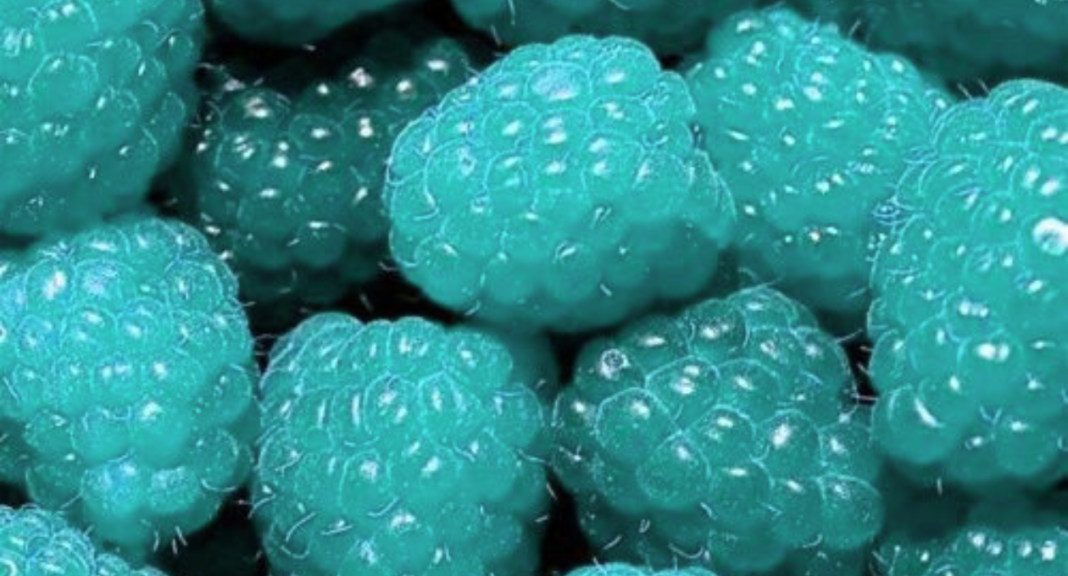
While red, orange, yellow, and purple fruits dominate market stalls, one color remains mysteriously rare in the fruit world — Teal Fruits. This sophisticated blend of blue and green, often associated with tropical oceans and serene aesthetics, appears in nature far less frequently than we might expect.
Teal fruits occupy a fascinating niche in the botanical world. Their subtle, almost ethereal coloring comes from specific pigment combinations that most fruits simply never develop. In this 800-word guide, we explore what makes teal fruits special, which varieties actually exist, their nutritional value, and why they deserve a permanent place in your kitchen and on your plate.
The Science Behind Teal Coloration in Fruits
Fruit color is determined by a complex mix of pigments — primarily carotenoids (yellows and oranges), anthocyanins (reds and purples), and chlorophyll (green). Teal emerges when there is a delicate balance between chlorophyll and anthocyanins, often combined with a waxy “bloom” that creates a bluish cast on the skin.
Most fruits lose their green chlorophyll as they ripen, revealing brighter colors underneath. Teal fruits are unique because they retain just enough chlorophyll while developing subtle blue-purple undertones. This makes them not only visually striking but also indicators of specific growing conditions, usually involving high-altitude environments, particular soil mineral profiles, or consistent high humidity.
True teal-colored fruits are exceptionally rare. Most “teal fruits” we see in modern markets are either artificially presented that way through photography styling or belong to specific heirloom and exotic varieties that display blue-green hues.
Top Teal Fruits Worth Seeking Out
1. Blue Java Banana (Musa acuminata × balbisiana)
Often called the “Ice Cream Banana,” this variety features a striking silvery-blue to teal peel when young. As it ripens, the skin turns more yellow, but the unripe fruit’s distinctive teal-blue hue makes it one of the most beautiful fruits in existence. The flesh tastes like vanilla ice cream with a hint of banana.
2. Teal Fig Varieties (Ficus carica)
Certain fig cultivars, particularly some Adriatic and Kadota types grown in specific microclimates, develop a delicate bluish-green (teal) skin with violet undertones. Their subtle coloring is enhanced by the natural waxy bloom that gives them an almost frosted appearance.
3. Certain Passion Fruit Cultivars
While most passion fruits are deep purple or bright yellow, some hybrid varieties (especially those grown in New Zealand and parts of Hawaii) display beautiful teal-green skin with purple speckling. The contrast between the teal exterior and vibrant orange pulp is stunning.
4. Teal-Bloomed Plums and Sloes
Some plum varieties develop an intense bluish-teal “bloom” — a natural protective wax coating. When caught in the right light, these plums appear almost turquoise. Wild sloes (used for gin) also frequently show this distinctive teal-blue dusting.
5. Dragon Fruit (Select Varieties)
While most dragon fruit has bright pink or red skin, some green-scaled varieties grown in Southeast Asia show strong teal undertones, especially when young. The contrast between the teal skin and white or magenta flesh creates one of the most photogenic fruits in the world.
Health Benefits of Teal Fruits
Teal fruits tend to be exceptionally nutrient-dense. Because many of them retain higher levels of chlorophyll, they often contain elevated amounts of magnesium, iron, and antioxidants. The anthocyanins responsible for their blue undertones are powerful anti-inflammatory compounds linked to improved brain health, cardiovascular function, and blood sugar regulation.
Blue Java bananas, for example, contain higher levels of resistant starch than regular bananas, making them excellent for gut health. Teal figs are rich in fiber and minerals, while passion fruits provide significant amounts of vitamin C and immune-boosting compounds.
How to Incorporate Teal Fruits Into Your Lifestyle
The rarity of true teal fruits makes them perfect for special culinary experiences rather than everyday consumption. Here are some creative ways to use them:
- Create a “Teal Sunrise” smoothie bowl using Blue Java bananas, kiwi, spirulina, and dragon fruit.
- Make a sophisticated fruit tart using teal figs and a pistachio cream base.
- Add sliced teal-hued plums to savory salads with goat cheese, walnuts, and arugula.
- Freeze passion fruit pulp in ice cube trays and use them to dramatically color and flavor craft cocktails.
Because of their unique coloring, teal fruits are also favorites in food photography, wedding fruit platters, and high-end wellness retreats where aesthetics matter as much as nutrition.
Where to Find Teal Fruits
True teal fruits are rarely found in conventional grocery stores. Your best chances are:
- Specialty Asian and Latin American markets
- Farmers’ markets specializing in exotic fruit
- Online specialty growers (particularly for Blue Java banana plants)
- High-end organic delivery services
If you can’t find them fresh, many companies now offer freeze-dried teal-colored fruit powders that capture both the color and nutrients for smoothies and baking.
Final Thoughts
Teal fruits represent something larger than just unusual produce — they remind us of nature’s infinite creativity and the beauty that exists in rarity. While they may never be as common as apples or bananas, their striking appearance and superior nutritional profiles make them worth hunting down.
In a world increasingly dominated by mass-produced, uniform fruit, seeking out teal fruits is an act of both culinary adventure and botanical appreciation. Next time you see that rare blue-green glow in the fruit section, don’t walk past it. You might be looking at one of nature’s most exclusive creations.
Read This: