
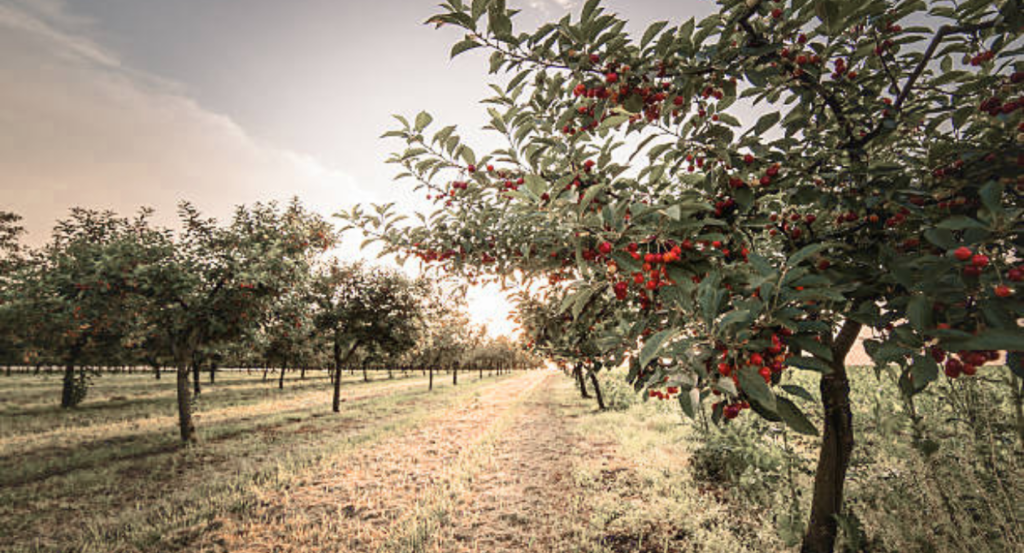
As we enter the 2026 cherry season, the industry is facing its most severe cherry harvest labor shortage in history. What was once a manageable seasonal challenge has now become a full-blown crisis. Across major producing regions in the United States, Canada, and Europe, farmers are struggling to find enough workers to harvest one of the most delicate and time-sensitive fruits. The result? Rotting cherries on trees, significantly reduced yields, and cherry prices that are expected to reach record highs this summer.
The cherry harvest is uniquely vulnerable. Unlike apples or grapes, cherries must be picked by hand at exactly the right moment. Even a few days’ delay can turn a premium crop into worthless mush. This labor-intensive reality is colliding with a shrinking workforce, creating a perfect storm in 2026.
Why the Labor Shortage Has Become So Severe
Several overlapping factors have intensified the problem heading into 2026:
1. Aging Workforce and Retirements
The average age of farmworkers in the United States now exceeds 41 years. Many experienced cherry pickers who have worked the orchards for decades are retiring, and young people are not replacing them. The physically demanding nature of cherry harvesting — climbing ladders, working long hours in summer heat, and carrying heavy buckets — has become less attractive to newer generations.
2. Better Opportunities Elsewhere
Warehouse jobs, construction, and delivery services are offering higher wages, overtime pay, and air-conditioned environments. Amazon and other logistics companies have raised starting pay significantly, pulling workers away from agriculture. In Washington State, the heart of U.S. sweet cherry production, many former farmworkers now earn more stocking shelves than picking fruit.
3. Immigration Policy and H-2A Visa Failures
The H-2A temporary agricultural visa program, designed to bring in foreign workers, has become slow, expensive, and overly bureaucratic. In 2025–2026, approval delays and increased compliance costs have left many growers unable to secure the workers they need. Stricter border policies have also reduced the flow of seasonal workers who traditionally returned year after year.
4. Climate-Driven Harvest Compression
Rising temperatures and erratic weather patterns are shortening the harvest window. In 2026, many regions are expecting an accelerated ripening period due to early heat spikes. This forces growers to harvest much larger volumes in a shorter time, dramatically increasing the daily labor demand — exactly when workers are hardest to find.
The Devastating Impact on Farmers
Many cherry growers are facing heartbreaking decisions in 2026. Some are leaving entire blocks of orchards unharvested because they simply don’t have enough hands. Others are paying premium wages — sometimes exceeding $22–28 per hour with bonuses — yet still falling short of required labor.
Labor now accounts for nearly 60% of total harvest costs. When combined with rising expenses for fuel, packaging, and cold storage, many small and mid-sized family farms are operating at a loss. Industry analysts predict that up to 15–20% of the U.S. cherry crop could go unharvested in 2026 if current trends continue.
Skyrocketing Prices for Consumers
The labor shortage is already being felt at the grocery store and farmers’ market. Fresh sweet cherries that typically sold for 3.99–5.99 per pound during peak season are projected to start at 7.99–10.99 in many markets this year. Tart cherries used for processing into pie filling, dried fruit, and juice are also seeing sharp price increases.
Premium varieties like Rainier and Lapins are expected to become even more expensive, potentially pricing many families out of enjoying fresh cherries during the short summer season.
What Is the Industry Doing?
Some positive steps are being taken, though progress remains slow:
- Mechanization: New shaking and catching machines are being tested, but they still damage too many cherries for fresh-market sales. They work better for tart cherries destined for processing.
- Higher Wages and Incentives: Growers are offering housing, transportation, and performance bonuses to attract workers.
- Robotics Research: Companies are investing in vision-guided robotic pickers, but commercial-scale adoption is still years away.
- Crop Insurance Claims: Many farmers are increasingly relying on federal crop insurance to offset losses from unharvested fruit.
What Consumers Can Expect in 2026
If you love cherries, act fast when they appear. Buy local as early as possible, freeze extras for later use, and consider buying frozen or dried cherries, which are less affected by fresh harvest labor issues.
Some experts warn that without major changes to immigration policy, major investment in automation, or improved working conditions, the labor shortage will only worsen in 2027 and beyond. The cherry industry, long a symbol of American summer, is at a turning point.
Final Thoughts
The 2026 cherry harvest crisis is not just a farming problem — it’s a warning sign for the entire fresh produce industry. When labor becomes too expensive or too scarce to harvest delicate crops like cherries, everyone loses: farmers lose income, workers lose jobs, and consumers lose access to affordable, high-quality fruit.
The days of cheap, abundant cherries may soon be a thing of the past unless urgent action is taken. For now, expect higher prices, smaller supplies, and the very real possibility that some of your favorite cherry orchards could disappear in the coming years.
Read This: