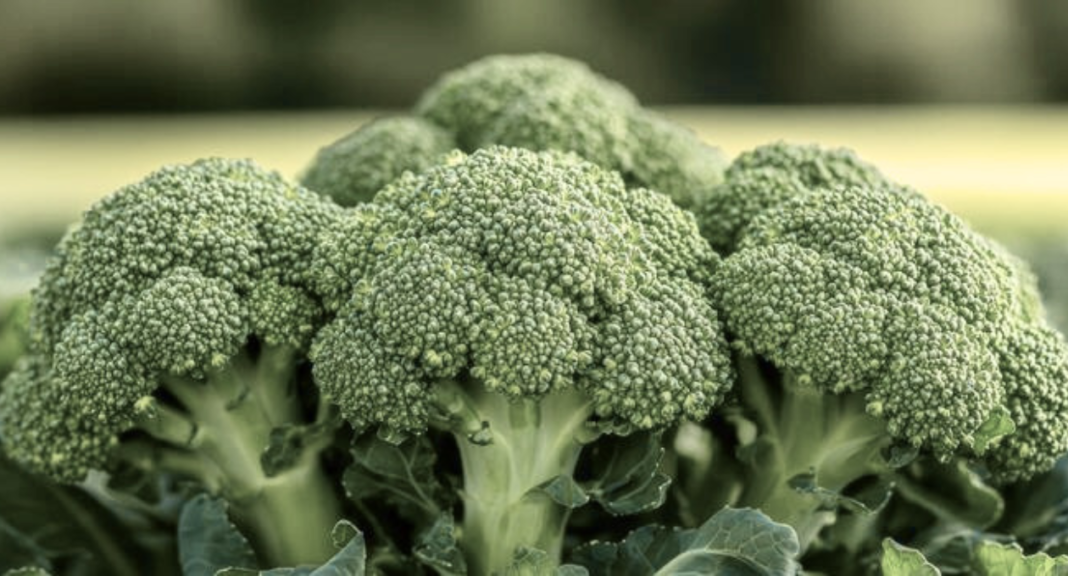

In early 2026, grocery shoppers across North America, Europe, and Australia began noticing something alarming: the Broccoli Shortage section was almost empty. What used to be a cheap, everyday vegetable has become scarce and expensive, with prices often exceeding $7 per pound. Many stores are limiting purchases to one bunch per customer.
This is the second major broccoli crisis in two years. The 2026 shortage is proving even more severe and widespread than the one in 2025.
Why Is There a Broccoli Shortage in 2026?
The crisis stems from a dangerous mix of climate volatility, supply chain issues, and biological sensitivity. Major growing regions in California, Mexico, Spain, and China were hit by back-to-back extreme weather events. Prolonged drought followed by sudden flooding destroyed large portions of the crop. Rising average temperatures have also caused widespread “bolting,” where broccoli plants flower too early and become unmarketable.
Labor shortages continue to worsen the situation. Broccoli is still harvested mostly by hand, and many farms are struggling to find enough workers. Additionally, the global push toward “superfood” diets has kept demand high while supply continues to shrink.
The Real Impact of This Shortage
Beyond empty shelves, the 2026 broccoli shortage is creating wider problems. Restaurants have removed popular broccoli-based dishes. School cafeterias and hospitals are struggling to provide nutritious vegetables at budget prices. Farmers who expanded production after last year’s issues are now facing heavy financial losses again.
This repeated crisis highlights a troubling trend: our food system is becoming increasingly fragile. One weather event or supply disruption can now trigger months-long shortages of staple vegetables.
Why Broccoli Still Matters
Broccoli remains one of the most nutrient-dense vegetables available. It is rich in sulforaphane, vitamins C and K, folate, and fiber. Its absence forces many families to choose less nutritious and often more expensive alternatives, which could have long-term health consequences.
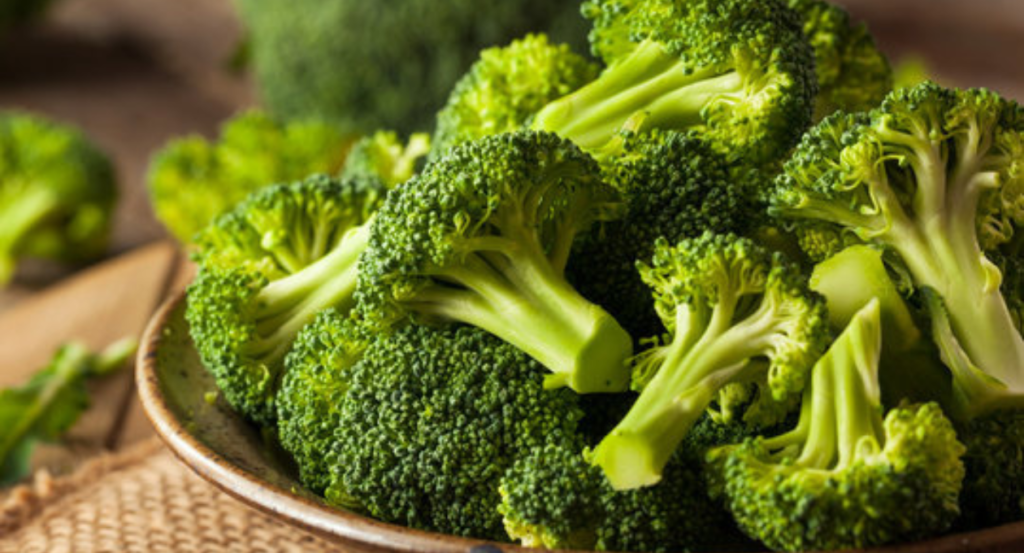
Best Alternatives During the 2026 Shortage
While broccoli is hard to find, these substitutes can help:
- Broccolini – Sweeter and more tender, often more available
- Cauliflower – Excellent roasted or mashed
- Romanesco broccoli – Similar flavor with beautiful texture
- Brussels sprouts – Great when shredded for salads or roasted
- Frozen broccoli – Still the most reliable and affordable option
How to Prepare for Future Shortages
The 2026 broccoli shortage should serve as a serious warning. Consumers and policymakers alike must start building more resilient food systems. Growing your own broccoli, supporting local farms, diversifying your vegetable intake, and learning to use every part of the plant (including the stems) are practical steps you can take today.
Conclusion
The broccoli shortage of 2026 is not an isolated event — it is a symptom of a much larger problem. Climate change, concentrated agricultural production, and rising global demand are combining to create more frequent and intense disruptions in our food supply.
What we are witnessing is the new normal. Cheap, abundant broccoli may soon become a luxury rather than a staple. This reality should push all of us to rethink how we grow, distribute, and consume food. Families, businesses, and governments need to invest in climate-resilient crops, regional food systems, and agricultural innovation now, before the next major shortage hits.
The empty broccoli bins are more than an inconvenience. They are a loud warning that our current system is unsustainable. The question is whether we will finally start listening.
FAQs
Q1: How long will the 2026 broccoli shortage last?
Most analysts predict the worst of the shortage will continue through June 2026. Supplies should slowly improve in late summer as new crops from cooler northern regions are harvested.
Q2: Why has broccoli become so expensive?
Reduced supply due to extreme weather, combined with steady or growing demand, has driven prices up sharply. Transportation and labor costs have also increased.
Q3: Is frozen broccoli a good substitute?
Yes. Frozen broccoli is often the best value right now. It is frozen at peak freshness and retains most of its nutritional value. It works very well in stir-fries, soups, casseroles, and smoothies.
Q4: Can I still grow broccoli at home in 2026?
Absolutely. Broccoli grows best in cooler temperatures. Spring and fall plantings have the highest success rate. Home gardeners are currently having much better results than commercial farms.
Q5: Are there any health risks from the shortage?
Not directly, but families who rely heavily on broccoli for nutrition may need to be more intentional about replacing it with other greens and cruciferous vegetables to maintain vitamin and antioxidant intake.
Read This: