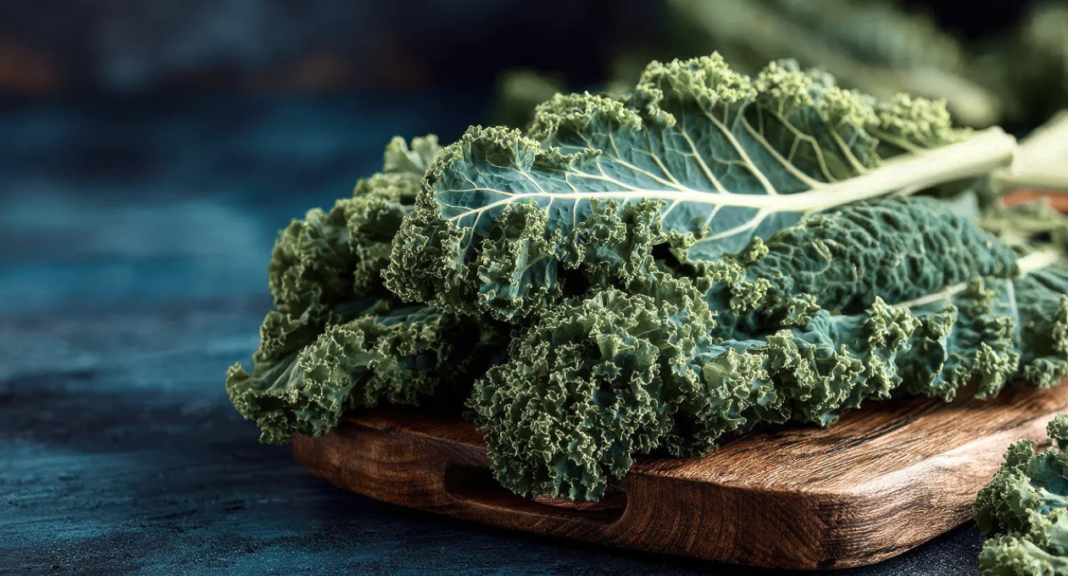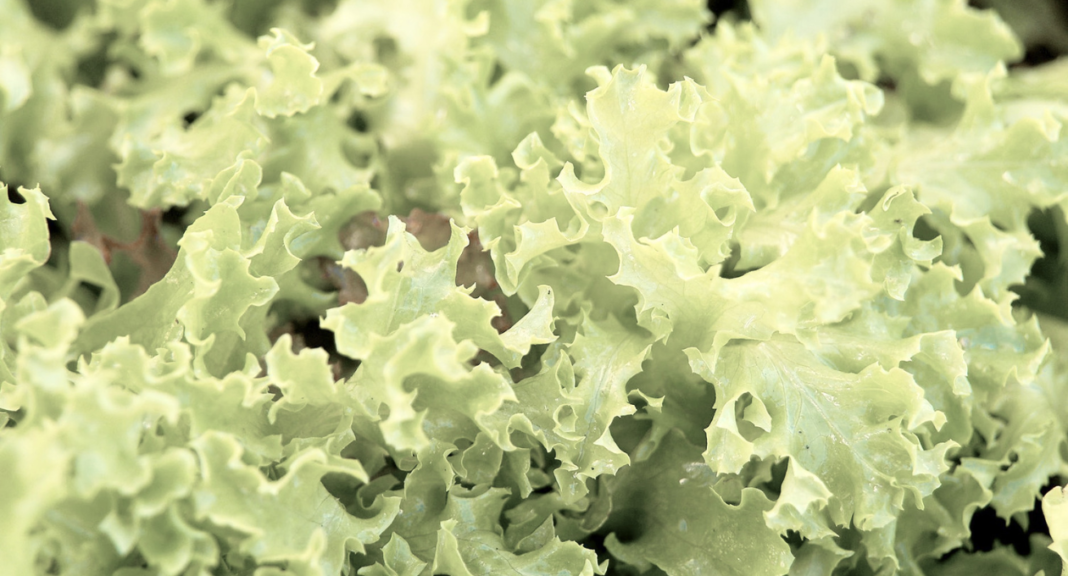

If you walked into a supermarket recently and found bare shelves where crisp romaine, iceberg, and butter lettuce used to sit, you’re not imagining it. The world is currently experiencing one of the most significant lettuce shortage in the past decade. Prices have skyrocketed, restaurants are removing salads from menus, and home cooks are scrambling for alternatives.
What started as regional supply hiccups has turned into a full-blown crisis affecting North America, Europe, and parts of Asia. This is more than just an inconvenience for salad lovers — it’s a stark reminder of how fragile our modern food supply chain has become.
In this article, we’ll explore what caused the 2025 lettuce shortage, who it’s hurting the most, how long it might last, and what you can do about it.
The Perfect Storm: Why Lettuce Is Disappearing
Lettuce is a surprisingly delicate crop. It requires consistent cool temperatures, plenty of water, and rich soil. Any major deviation from these conditions leads to disaster — and that’s exactly what happened.
California and Arizona together produce nearly 80% of America’s lettuce. In late 2024 and early 2025, both regions were hit by extreme weather events. Record rainfall in California caused widespread flooding in the Salinas Valley, while Arizona suffered unseasonal heat spikes that caused crops to bolt (go to seed prematurely), rendering them unmarketable.
Simultaneously, labor shortages worsened. Many seasonal workers who traditionally harvest lettuce have moved into better-paying industries or were affected by changing immigration policies. Harvesting lettuce is back-breaking work that cannot be fully automated yet, creating a massive bottleneck.
Adding fuel to the fire was a series of food safety recalls. Multiple E. coli outbreaks linked to romaine and leafy greens in late 2024 led to massive precautionary destruction of crops, further tightening supply.
On the demand side, the “eat healthy” trend that exploded after the pandemic has not slowed down. More people than ever are ordering salads, Buddha bowls, and lettuce-wrapped burgers, creating a supply-demand imbalance that the market simply couldn’t absorb.
The Real Impact
The economic impact has been swift and painful:
- Retail prices for basic iceberg lettuce have increased between 180% and 320% in many markets. A single head of romaine that cost $1.99 last year now sells for $6.49 when available.
- Restaurants and fast food chains have been forced to adapt. Several major sandwich and burger chains have temporarily removed lettuce from their menu items. Some high-end restaurants have increased salad prices by 40% or replaced lettuce with cabbage or microgreens.
- Supermarkets are rationing purchases — many stores now limit customers to two heads of lettuce per visit.
- Farmers are caught in the middle. While some are getting higher prices for what they can harvest, many lost entire seasons of crops to flooding and disease, creating serious cash flow problems.
The ripple effects extend beyond the produce aisle. The shortage is affecting everything from school lunch programs to hospital food services, where fresh lettuce was a staple for meeting nutritional guidelines.
Historical Context
This isn’t the first time we’ve seen a lettuce crisis. The UK suffered a notorious “salad crisis” in 2022 when bad weather in Spain and poor logistics after Brexit left supermarket shelves empty for weeks. Australia faced its own “lettuce lockdown” during heavy flooding in 2022-2023.
What makes the 2025 shortage different is its scale and duration. Early estimates suggest it could last through July or August 2025 unless weather conditions improve dramatically.
Smart Alternatives and Survival Tips
While we wait for supplies to recover, here are practical alternatives:
Best Lettuce Substitutes:
- Cabbage (especially Napa cabbage) – Most similar texture and crunch
- Swiss chard or kale (massaged) – More nutritious, though different flavor
- Spinach and arugula – Excellent for salads
- Endive, radicchio, and escarole – Bitter but interesting flavor profiles
- Herb salads (parsley, cilantro, mint) – A trendy restaurant workaround
Practical Tips:
- Grow your own. Lettuce is one of the easiest crops for container or hydroponic growing. Many varieties are ready in 30-45 days.
- Shop at farmers’ markets. Local growers using greenhouses have been less affected.
- Consider frozen or pre-washed packaged alternatives when fresh isn’t available (though quality differs).
- Support vertical farming companies. Several startups are rapidly scaling indoor lettuce production that is immune to weather volatility.
The Future of Leafy Greens
The current crisis is accelerating innovation. Investors are pouring money into climate-controlled vertical farms, AI-driven greenhouse technology, and drought-resistant lettuce varieties.
Some experts believe this shortage may finally push the industry toward more sustainable and resilient growing methods. However, these solutions won’t come online fast enough to solve the immediate problem.
Consumers may also need to reconsider their expectations. The days of cheap, perfect-looking lettuce year-round might be ending as climate change continues to disrupt traditional growing regions.
Final Thoughts
The lettuce shortage is more than a funny headline about sad salads. It’s a symptom of larger issues — over-reliance on specific growing regions, vulnerability to climate change, and an inflexible supply chain.
While it’s frustrating to pay premium prices for basic greens or reinvent your favorite recipes, this situation offers an opportunity to get more creative in the kitchen and think more critically about where our food comes from.
In the meantime, hold onto your cabbage recipes, support local growers when possible, and maybe invest in a few lettuce seeds. The salad days will return — they just might look a little different than they used to.
Faqs
Q1: How long will the lettuce shortage last?
The current lettuce shortage is expected to continue through July 2025, with possible improvement starting in late June if weather conditions stabilize. Some analysts predict full recovery may not occur until September 2025, especially for romaine and iceberg varieties. Supply is expected to remain tight and expensive throughout the summer.
Q2: Why is lettuce so expensive right now?
Multiple factors created a perfect storm: severe flooding in California’s Salinas Valley, extreme heat in Arizona, labor shortages, and multiple E. coli-related recalls that forced farmers to destroy large portions of crops. At the same time, demand for healthy salads remains very high. These combined pressures have driven prices up by 180–320% in many regions.
Q3: What is the best substitute for lettuce?
The closest substitutes in terms of texture are:
- Napa cabbage (best overall)
- Green or red cabbage
- Swiss chard
- Kale (massaged with dressing)
- Endive or radicchio (for a slightly bitter flavor)
For burgers and wraps, many people are successfully using collard greens or thinly sliced cucumber.
Q4: Is it safe to eat lettuce right now?
Yes, but with caution. Most of the lettuce currently on shelves comes from indoor greenhouses or regions not affected by the recalls. Always check for proper labeling, wash thoroughly, and avoid any romaine or leafy greens with recall notices. When in doubt, opt for cabbage or spinach instead.
Q5: Can I grow my own lettuce at home?
Absolutely. Lettuce is one of the easiest vegetables to grow. You can grow it in containers, raised beds, or even a hydroponic system on a balcony. Varieties like ‘Buttercrunch’, ‘Black Seeded Simpson’, and ‘Red Sails’ grow quickly (ready in 30–45 days). Spring and fall are ideal, but many gardeners are having success with shade cloth during summer.
Read This: