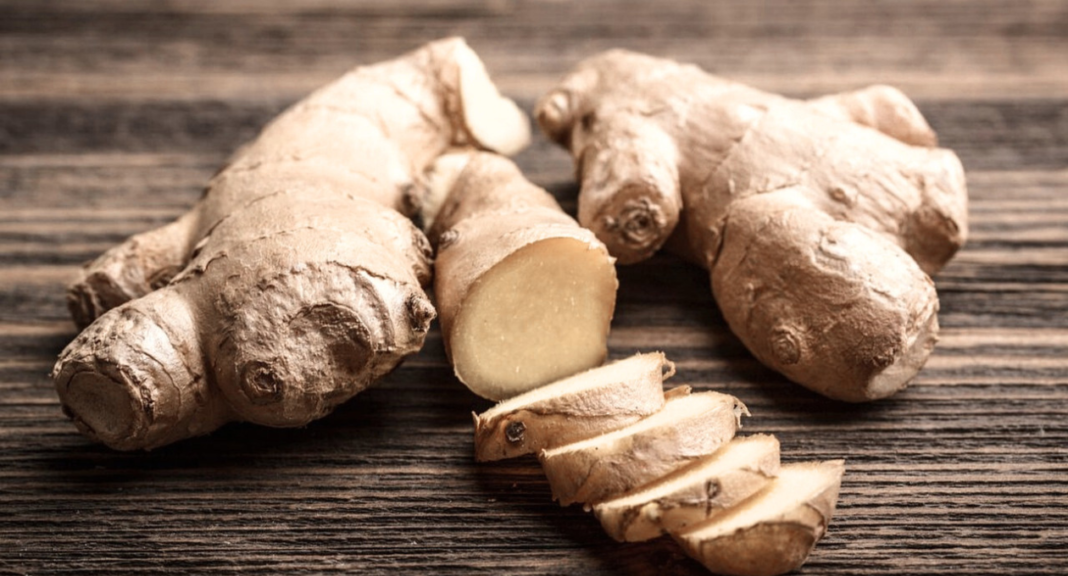

Ginger, one of the world’s most versatile and health-promoting ingredients, is in the midst of a severe global shortage. Once a pantry staple available at low cost, fresh ginger shortage has become expensive and difficult to find in many supermarkets. From soothing teas and immune shots to spicy stir-fries and baked goods, ginger’s absence is being felt across kitchens, restaurants, and beverage companies.
This is not a minor supply hiccup. The 2025 ginger shortage is a perfect storm of climate challenges, shifting agricultural priorities, and surging consumer demand. Here’s a detailed look at the causes, impacts, and practical solutions.
What Is Causing the Ginger Shortage?
India produces approximately 45% of the world’s ginger, followed by China, Nigeria, and Indonesia. In 2024, India’s key ginger regions experienced devastating weather patterns — irregular monsoons caused root rot, while extended droughts and high temperatures stunted rhizome development. Fungal diseases spread rapidly in the humid conditions, destroying up to 30% of crops in some states.
China faced similar problems. Prolonged heat waves in major growing provinces reduced yields, and many farmers abandoned ginger for higher-profit crops such as vegetables and fruits that require less labor and offer quicker returns. Poor storage infrastructure in producing countries has also led to significant post-harvest losses.
On the demand side, ginger’s popularity has exploded. Post-pandemic interest in its anti-inflammatory, digestive, and immune-boosting properties continues to drive consumption. Social media trends featuring ginger-turmeric lattes, wellness shots, and functional beverages have further increased pressure on already limited supplies. Global production is estimated to have fallen by 24% this season, creating a serious imbalance.
How Bad Are the Price Increases?
Retail prices have surged dramatically. In many Western markets, fresh ginger that sold for 2.50–4.00 per pound in 2023 now costs $8.50 to $15.00 per pound. Organic ginger and premium varieties have seen even steeper rises, sometimes exceeding $18 per pound. Dried ginger powder and packaged ginger tea have followed suit, with increases of 120–250%.
Restaurants and manufacturers are struggling. Asian fusion eateries, smoothie chains, and ginger beer producers have been forced to raise menu prices, reduce portion sizes, or temporarily remove ginger-based items. Some companies are reformulating recipes to use less ginger or rely on synthetic flavorings — a compromise many consumers can taste.
The Health and Culinary Impact
Ginger is more than a flavoring. It is widely used for nausea relief, digestion support, and cold prevention. The shortage has made wellness products noticeably more expensive, affecting both casual tea drinkers and those who rely on ginger therapeutically.
In home kitchens, favorite recipes are being disrupted. Stir-fries taste flatter, holiday cookies lack their signature warmth, and morning detox drinks feel incomplete. Chefs report that balancing dishes without sufficient ginger requires creative adjustments to heat, acidity, and aromatics.
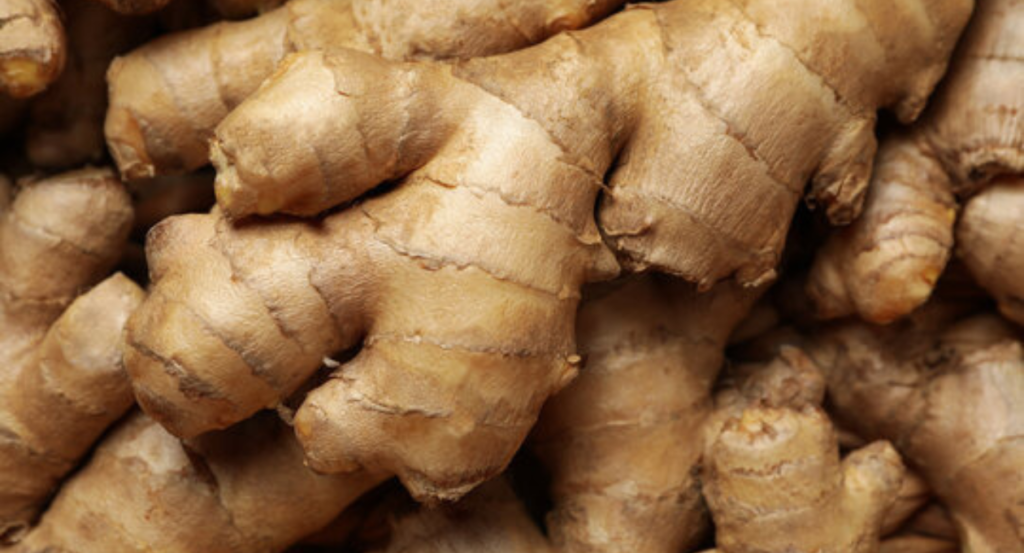
Best Substitutes for Ginger During the Shortage
No ingredient perfectly replicates ginger’s zesty, warming bite, but several options can help:
- Galangal (Thai Ginger): Sharper and more citrusy, excellent in Southeast Asian curries and soups.
- Turmeric + Cayenne Pepper: Delivers earthiness and heat. Add black pepper to boost absorption.
- Cardamom or Allspice: Provides similar aromatic warmth, especially useful in baking and teas.
- Lemon Zest + Fresh Chili: Bright acidity and spiciness can mimic ginger’s role in marinades and dressings.
- Ginger Powder: Use toasted powder sparingly. A little goes further when combined with other spices.
Many cooks are now practicing “ginger stretching” — using smaller amounts and amplifying flavor with garlic, scallions, or herbs.
Is Growing Your Own Ginger a Smart Move?
With current prices, home cultivation makes excellent economic sense. Ginger is one of the simplest crops for beginners. Purchase fresh, organic rhizomes from the grocery store, cut them into pieces with visible eyes, and plant in well-draining, rich soil.
Ginger thrives in warm, humid conditions with indirect sunlight. It grows beautifully in large pots, raised beds, or even indoors near a bright window. Most plants are ready to harvest in 8–10 months. One pound of planting material can yield 6–12 pounds of fresh ginger. Home-grown rhizomes are often more tender, aromatic, and flavorful than imported supermarket ginger.
What Does the Future Hold?
Early reports indicate farmers in India and China are expanding planting area in response to record prices. However, new harvests will not reach markets until late 2026. Climate change continues to threaten spice production through unpredictable rainfall and rising temperatures, suggesting that higher ginger prices may become the new normal.
Final Thoughts
The 2025 ginger shortage serves as another reminder of how fragile our global food system has become. A single season of bad weather in two dominant producing countries can send ripples across the world. While we await recovery, this is an opportunity to get creative in the kitchen, explore new spice combinations, and consider growing some of our own ingredients.
If you find ginger at a tolerable price, buy extra and freeze it (grated in ice cube trays works best). Store fresh pieces in a paper bag in the refrigerator for several weeks. Most importantly, treat ginger with renewed appreciation — its unique flavor and health benefits are worth protecting.
By adapting now, we can reduce the impact of future shortages and build more resilient kitchens for the years ahead.
Faqs
Q1: Why is there a global ginger shortage in 2025?
The shortage stems from severe weather in India and China, which together produce the majority of the world’s ginger. Irregular monsoons, prolonged droughts, extreme heat waves, and fungal infections destroyed up to 30% of crops in key regions. Many farmers also switched to more profitable crops. Global production dropped by approximately 24% this season while demand continues to rise.
Q2: How long will the ginger shortage last?
The shortage is expected to continue throughout 2025 and ease only in late 2026. Although higher prices are encouraging farmers to plant more, ginger takes 8–10 months to mature. Climate change is increasing the frequency of these weather-related disruptions, so future shortages remain likely.
Q3: How much have ginger prices actually increased?
Retail prices have risen sharply. Fresh ginger that cost 2.50–4.00 per pound in 2023 now sells for 8.50–15.00 per pound in many supermarkets. Organic ginger and dried powder have seen increases between 120% and 250%. Some premium varieties are exceeding $18 per pound.
Q4: What are the best substitutes for fresh ginger?
Excellent alternatives include galangal (Thai ginger) for Southeast Asian dishes, a combination of turmeric and cayenne pepper with black pepper, cardamom or allspice for baked goods and teas, and lemon zest paired with fresh chili flakes. Toasted ginger powder used sparingly can also help stretch limited supplies.
Read This: