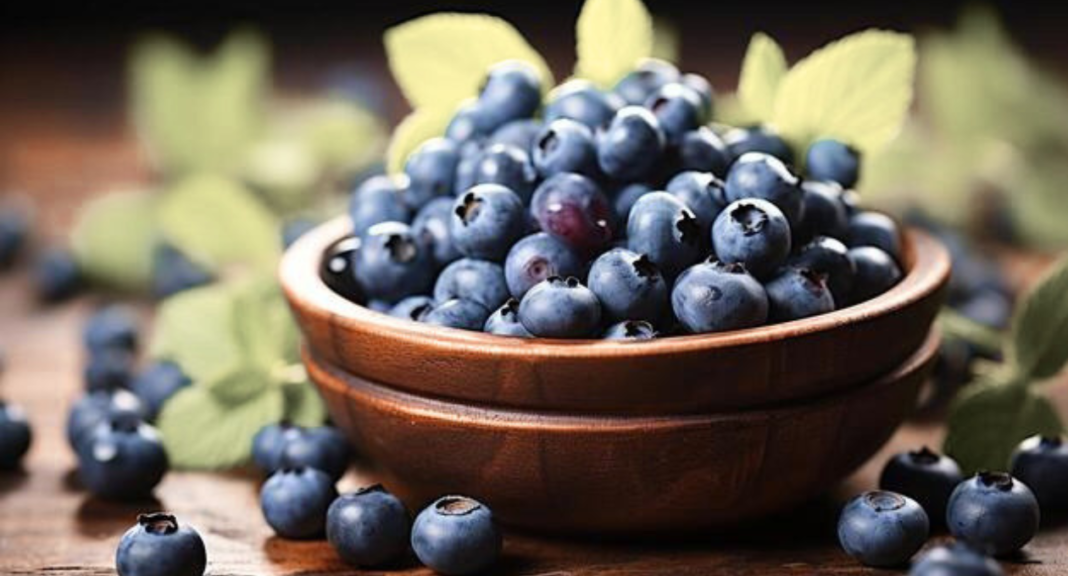

In the spring of 2026, shoppers around the world are encountering a new frustration in the produce aisle: the blueberry shortage. Once a year-round staple available in pints for under $3, fresh blueberries have become scarce and expensive. Prices have climbed as high as $6.99 to $8.99 per pint in many regions, with stores imposing purchase limits and many shelves left completely bare.
This marks the second consecutive year of significant disruption for blueberries, following a milder shortage in 2025. What was once considered a reliable “superfood” is now a luxury item, forcing consumers, restaurants, and food manufacturers to adapt quickly.
Why Is There a Blueberry Shortage in 2026?
The crisis is the result of multiple overlapping pressures. Blueberries are particularly vulnerable to climate extremes, and 2026 has delivered them in force. Major growing regions in Michigan, Oregon, British Columbia, Chile, and Peru faced devastating late-spring frosts that destroyed up to 40% of early blooms. This was followed by prolonged heatwaves and drought conditions that reduced berry size and yields.
Pollinator decline has made the situation worse. Blueberries require intensive bee activity for proper pollination. Declining honeybee populations, combined with extreme weather disrupting hive activity, led to lower fruit set across many farms.
Global demand continues to rise sharply. Blueberries are prized for their high levels of anthocyanins, antioxidants linked to improved brain function, heart health, and reduced inflammation. The explosion of health-focused diets, smoothie bowls, functional beverages, and bakery products has kept demand strong even as supply collapses. Labor shortages during the delicate hand-harvest period have further reduced marketable yields.
Unlike hardy crops, blueberries are a long-term investment. Bushes take three to four years to reach full production, meaning weather-related losses today cannot be replaced quickly.
The Hidden Impact of the Shortage
The blueberry shortage is rippling through the entire food economy. Restaurants and cafes have removed blueberry pancakes, muffins, and acai bowls from menus or raised prices significantly. Food processors that rely on blueberries for jams, yogurt, and frozen mixes are facing higher costs that are being passed on to consumers.
On the health front, nutritionists are concerned. Blueberries are one of the few fruits consistently ranked at the top for antioxidant density. Their absence may lead many people — especially families on tight budgets — to choose less nutritious snacks. Schools and hospitals that feature blueberries in meal programs are struggling to find affordable replacements.
Farmers are also hurting. Many took on debt to expand acreage in response to previous high prices, only to see crops damaged by weather events made more frequent and intense by climate change.
Smart Alternatives During the Blueberry Shortage
While fresh blueberries remain difficult to find, several options can help bridge the gap:
- Frozen Blueberries: Currently the best value. They are often cheaper, retain nearly all their nutritional value, and work perfectly in smoothies, oatmeal, baked goods, and sauces.
- Blackberries or Raspberries: Similar antioxidant profiles and flavor when in season.
- Cherries: Excellent for both fresh eating and baking with comparable health benefits.
- Cranberries (fresh or dried): High in antioxidants, though more tart.
- Aronia Berries (Chokeberries): Less common but extremely high in antioxidants and increasingly available.
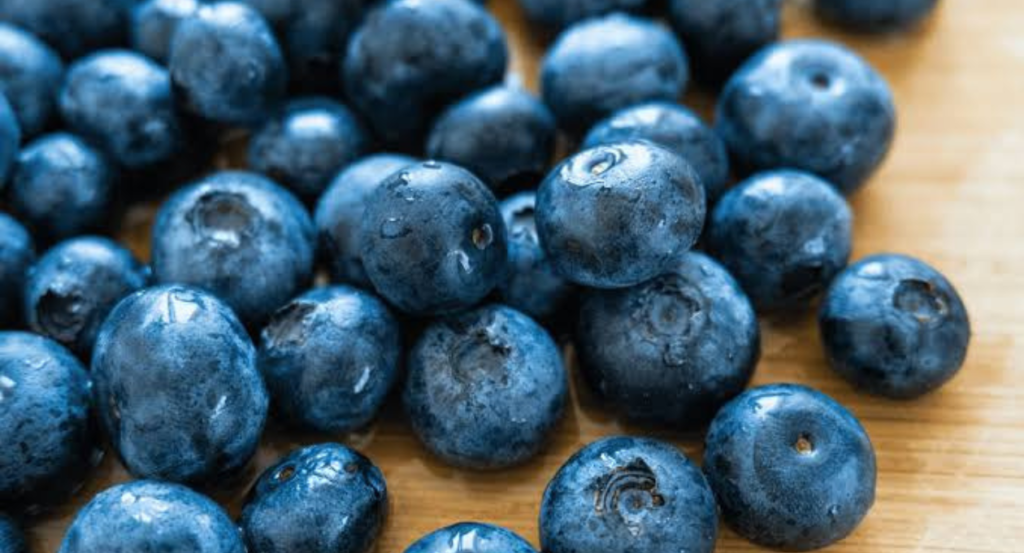
- Wild Blueberries: When available, these smaller berries actually contain higher nutrient levels than cultivated varieties.
Pro tip: Buy frozen wild blueberries in bulk when possible. They deliver more flavor and nutrition per dollar during this shortage.
How Consumers Can Prepare for Future Berry Shortages
The 2026 blueberry shortage should serve as a warning. Our reliance on concentrated growing regions and fragile supply chains makes popular health foods increasingly vulnerable. Here are practical steps you can take:
- Diversify your fruit intake and avoid depending on a single “superfood.”
- Grow your own blueberries if you have acidic soil and space — they can be productive for decades once established.
- Support local and regenerative farms through CSAs and farmers’ markets.
- Preserve berries when they are in season by freezing or canning.
- Advocate for climate-resilient agriculture and pollinator protection programs.
Conclusion
The blueberry shortage of 2026 is more than a temporary inconvenience. It is a clear signal that our global food system is under growing stress from climate change, pollinator loss, and surging consumer demand for nutrient-dense foods. What we are seeing with blueberries today may soon extend to other popular crops.
This crisis offers an opportunity to rethink our relationship with food. Instead of chasing whichever fruit is trending as the next superfood, we should focus on building resilient local and regional growing systems, protecting pollinators, and developing climate-hardy varieties.
Blueberries may return to reasonable prices by late summer 2026 as later harvests and Southern Hemisphere crops come online, but the era of consistently cheap, abundant berries appears to be ending. The empty blueberry shelves are not just frustrating — they are instructive. They remind us that nature is becoming less predictable, and our food choices must become more thoughtful and adaptable.
Those who learn from this shortage will be better prepared for the agricultural challenges ahead. In the meantime, reach for those frozen blueberries, bake them into muffins, blend them into smoothies, and savor them while we adjust to a new reality where even the humblest berry can no longer be taken for granted.
FAQs
Q1: How long is the blueberry shortage expected to last?
The most severe shortages should ease by August–September 2026 as later-season harvests and imports from unaffected regions arrive.
Q2: Why have blueberries become so expensive?
Extreme weather, poor pollination, labor shortages, and strong global demand have drastically reduced supply while costs have risen.
Q3: Are frozen blueberries as healthy as fresh?
Yes. Modern flash-freezing locks in nutrients. Frozen blueberries often provide higher nutritional value than fresh ones that have traveled long distances.
Q4: Can I grow blueberries at home?
Yes, if you have acidic soil (pH 4.5–5.5). Dwarf varieties work well in containers. They require full sun and consistent moisture.
Q5: Which countries are least affected?
Parts of Eastern Canada and certain high-altitude regions in South America are experiencing smaller disruptions compared to the United States and Europe.
Read This: