
If you’ve recently gone to the grocery store and found empty shelves where the pickles used to be, you’re not imagining it. The United States is currently experiencing a serious pickle shortage that has left restaurants, retailers, and pickle enthusiasts scrambling.
What started as scattered complaints on social media has now become a legitimate supply chain crisis. Prices for dill pickles have jumped 28–40% in the past six months, and many major brands are limiting purchases or failing to restock entirely. The beloved crunchy sidekick to burgers, sandwiches, and fried foods is suddenly in short supply.
This isn’t just a minor inconvenience. America consumes over 2 billion pounds of pickles annually. The current shortage is threatening everything from backyard barbecues to major fast-food chains.
click in link basil shortage
What’s Causing the Pickle Shortage?
The crisis stems from a perfect storm of agricultural, economic, and environmental problems.
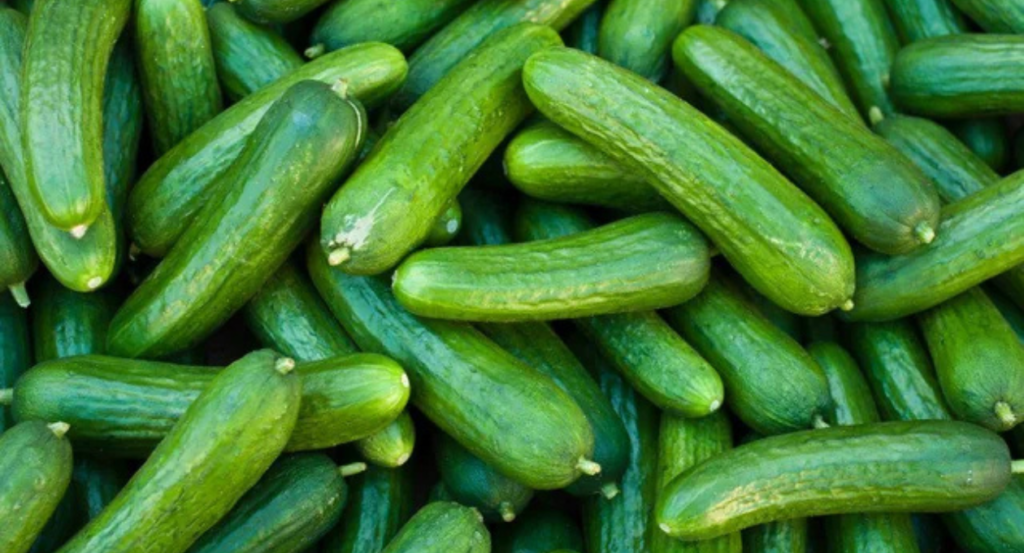
Cucumbers, the raw material for pickles, are highly sensitive to weather. In 2024, major cucumber-growing regions in Michigan, North Carolina, and Florida were devastated by extreme weather events — including record rainfall, flooding, and unseasonal heat waves. Michigan, which produces nearly 20% of America’s pickling cucumbers, saw its yield drop by an estimated 35%.
Compounding the problem is the labor shortage in the agricultural sector. Many farms that once relied on seasonal workers have struggled to find enough hands to harvest the delicate crop. Unlike mechanized crops, cucumbers must often be hand-harvested to prevent bruising.
Rising production costs have also forced some farmers to switch to more profitable crops. Fertilizer prices remain elevated, and the cost of glass jars and brine ingredients has increased significantly since 2022. Several smaller pickle processors have simply gone out of business or significantly reduced output.
On the demand side, pickle popularity has exploded. The popularity of spicy pickles, pickle-flavored snacks, fried pickles, and the “pickle juice” trend among athletes has driven consumption to record levels. Social media trends like pickle sushi and pickle martinis haven’t helped either.
The Ripple Effect
The shortage has hit different sectors unevenly:
- Restaurants and Fast Food: Chains like McDonald’s, Chick-fil-A, and Whataburger have quietly changed their pickle specifications or reduced the number of slices per burger. Some independent delis have removed half-sour pickles from their menus entirely.
- Retailers: Walmart, Kroger, and Publix have implemented purchase limits in many stores. Premium brands like Grillo’s and Bubbies have become nearly impossible to find.
- Consumers: Home canners are fighting over pickling cucumbers at farmers’ markets, with prices sometimes reaching $4–5 per pound.
The economic impact is significant. The pickle industry, valued at over $1.2 billion, is facing its most difficult period in decades.
click in link basil shortage
How to Survive the Pickle Shortage
While the situation looks bleak, there are practical steps you can take:
1. Make Your Own Pickles
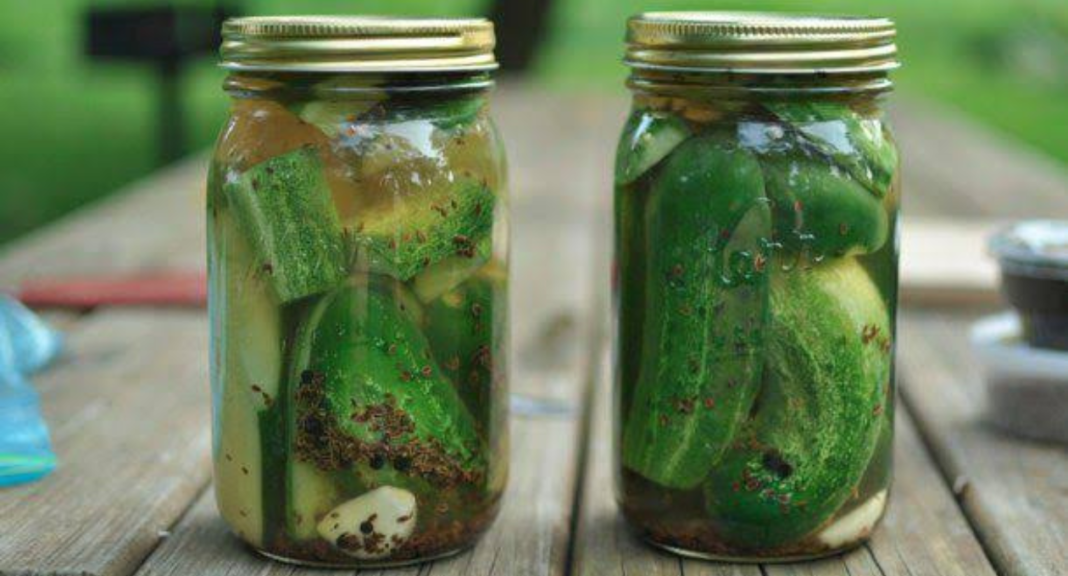
This is the best long-term solution. Quick pickles (refrigerator pickles) can be made in minutes and require no canning equipment. The basic formula is simple: vinegar, water, salt, sugar, and spices. Cucumbers are still available at farmers’ markets even when processed pickles are not.
2. Explore Alternatives
- Try pickled okra, green beans, cauliflower, or carrots
- Korean and Japanese pickled vegetables (tsukemono) offer similar crunch and tang
- Pickled onions make an excellent substitute on sandwiches
3. Buy Smart
When you do see pickles, consider buying in bulk (within reason). Focus on whole pickles rather than slices — they stay crunchier longer and can be cut as needed.
4. Support Local
Small-batch pickle makers and local farms are often more resilient than national brands. Many have managed to maintain supply by using different growing methods or securing alternative cucumber sources.
The Road Ahead
Industry experts predict the shortage will ease somewhat by late 2025 as farmers adjust planting schedules and new greenhouse production comes online. However, most agree that pickle prices will likely remain elevated for the next 18–24 months.
Climate change continues to threaten the stability of cucumber crops, suggesting that this may be the new normal rather than a temporary blip.
Conclusion
The Great Pickle Shortage of 2025 is more than just a funny story about missing sandwich toppings. It reveals the fragility of our modern food system — how a single vegetable can be impacted by weather, labor markets, rising costs, and social media trends all at once.
While we may have to temporarily “dill with it,” this crisis also offers an opportunity. It encourages us to cook more from scratch, support local producers, and appreciate simple foods that we’ve long taken for granted.
Next time you bite into a perfectly crunchy, tangy pickle, remember that it’s not just a condiment — it’s a small agricultural miracle that’s currently harder to come by than usual. Until supply stabilizes, get creative, get pickling, and maybe start hoarding a few jars for emergencies.
click in link basil shortage
The pickle shortage will end eventually. In the meantime, stay crunchy.
FAQs
How long will the pickle shortage last?
Most analysts expect the worst of the shortage to continue through mid-2026, with gradual improvement beginning in late 2025 as new crops are harvested.
Why are pickles so expensive right now?
A combination of lower cucumber yields, higher labor and material costs, and record demand has driven wholesale prices significantly higher.
Can I still find pickles anywhere?
Yes, but availability is inconsistent. Regional brands, smaller stores, and warehouse clubs sometimes have better stock than major supermarket chains.
Is it worth making my own pickles?
Absolutely. Homemade pickles are often superior in taste and crunch, and the process is simpler than most people think. Quick pickles can be ready in 24–48 hours.
Are there any good pickle substitutes?
Pickled green beans, okra, asparagus, and Korean radish (danmuji) work well. Many people are also enjoying pickled red onions as a versatile alternative.
click in link basil shortage