
Why Are Jalapeños So Hard to Find Right Now?
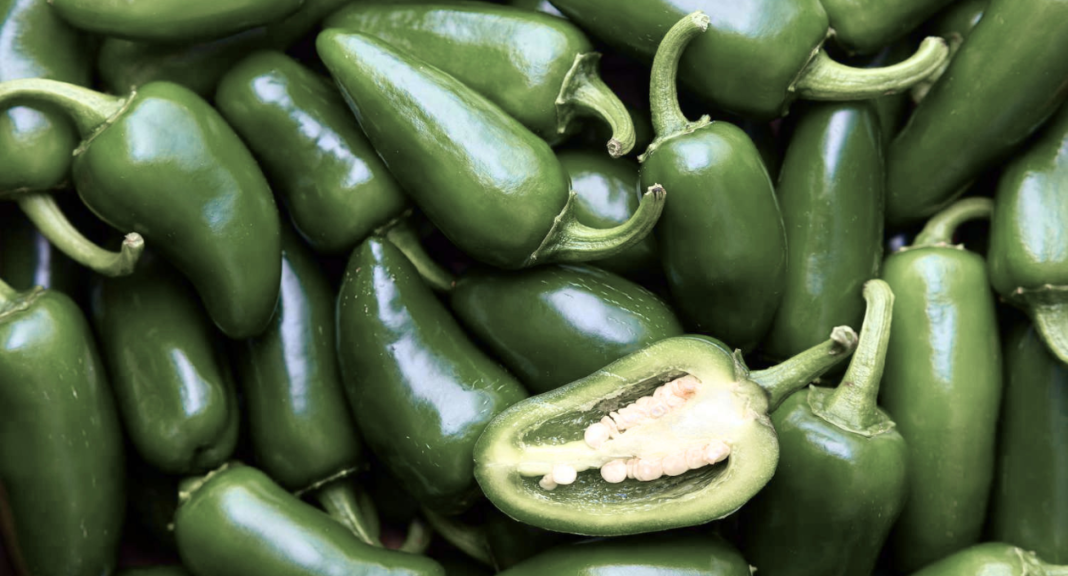
If you’ve recently gone to the grocery store hoping to grab a few fresh jalapeños for salsa, nachos, or stuffed poppers only to find empty shelves or tiny bags selling for triple the normal price, you’re not alone. The United States is currently experiencing a significant jalapeno shortage that began intensifying in late 2024 and has carried into 2025.
Once a cheap, reliable staple in the produce aisle, jalapeños have become expensive and unpredictable. Prices have surged by as much as 300% in some markets, and many restaurants have quietly removed jalapeño-heavy items from their menus. This is more than just a minor inconvenience for spice lovers — it’s a complex agricultural and economic crisis.
What’s Causing the Jalapeño Shortage?
The majority of jalapeños consumed in North America are grown in Mexico, particularly in the states of Chihuahua, Sinaloa, and Durango. These regions have been hit by a perfect storm of problems:
Extreme Weather and Climate Change
Record-breaking heatwaves and prolonged drought have devastated pepper crops. Jalapeño plants are sensitive to extreme temperatures above 95°F (35°C). When combined with water scarcity, yields have dropped dramatically. In Chihuahua, one of the largest growing areas, reservoirs are at historic lows.
Water Shortages
Farmers in northern Mexico are facing severe irrigation restrictions. The Rio Grande and local aquifers are under immense pressure from both climate change and increased urban demand. Without sufficient water, pepper plants produce smaller, lower-quality fruit or fail entirely.
Plant Diseases and Pests
Outbreaks of bacterial spot and pepper weevils have spread rapidly through stressed crops. Weakened plants due to heat and drought are more vulnerable, creating a vicious cycle that further reduces supply.
Rising Demand
Consumer demand for spicy foods continues to grow. Hot sauce sales, spicy snacks, and global interest in Mexican and Asian cuisines have increased pressure on an already strained supply chain. The “hot pepper boom” has outpaced farmers’ ability to scale production.
Supply Chain and Labor Issues
Higher transportation costs, border delays, and labor shortages in both Mexico and the U.S. packing facilities have compounded the problem.
How Bad Is the Shortage?
Retail prices for fresh jalapeños have climbed from the usual 1.29–1.99 per pound to 4.99–7.99 per pound in many areas. Some stores have limited purchases to one bag per customer. Food service companies and hot sauce manufacturers are reportedly signing contracts at record prices to secure supply.
The shortage has hit harder in certain regions. The Southwest and West Coast, which rely heavily on Mexican imports, have been affected most. However, even Midwest and East Coast markets are seeing reduced stock and higher costs.
Impact on Restaurants and Food Businesses
Many Mexican restaurants, Tex-Mex chains, and fast-casual spots have been forced to adapt. Some have replaced fresh jalapeños with pickled versions, while others have removed signature dishes like jalapeño poppers, spicy margaritas, and fresh salsas. Large hot sauce producers have scaled back production or reformulated recipes to use fewer peppers.
Smaller farms in California, New Mexico, and Texas are trying to fill the gap, but domestic production only accounts for a fraction of total demand and cannot fully compensate for Mexico’s shortfall.
Smart Alternatives to Jalapeños
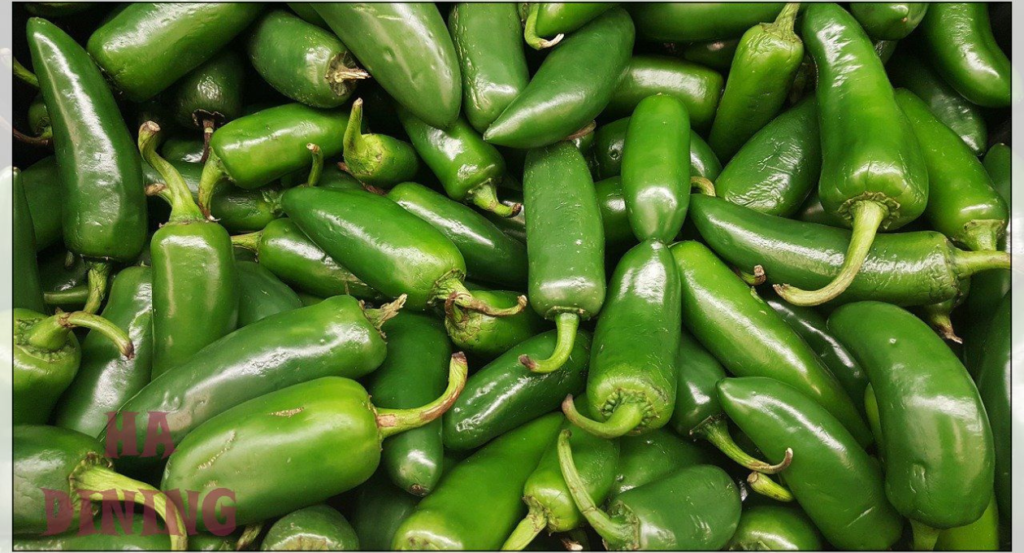
While nothing perfectly replicates the bright, grassy heat of a fresh jalapeño, several substitutes can work well:
- Serrano Peppers: Smaller, hotter, and currently more available. Use about half the amount called for.
- Fresno Peppers: Similar in size with a slightly sweeter, fruitier flavor and comparable heat.
- Anaheim or Poblano Peppers: Milder options if you want flavor without intense spice.
- Crushed Red Pepper Flakes or Cayenne Powder: Good for recipes where fresh texture isn’t critical.
- Pickled Jalapeños: Many manufacturers are still producing these using last season’s harvest or greenhouse stock.
Home growers are also seeing a surge in jalapeño seedling sales as people plant their own containers and backyard gardens.
When Will the Jalapeño Shortage End?
Experts predict the shortage could last through the summer of 2025, with possible relief arriving in the fall if weather conditions improve in Mexico. New greenhouse projects and expanded irrigation infrastructure are being developed, but these solutions take time.
Some positive signs include increased planting in alternate regions of Mexico and heavier investment in drought-resistant pepper varieties.
What Can Consumers Do?
- Buy local when possible — support U.S. growers at farmers’ markets.
- Grow your own. Jalapeños are relatively easy to grow in pots or garden beds during warm months.
- Use peppers efficiently. Freeze extras or make large batches of salsa and hot sauce.
- Experiment with recipes that celebrate other peppers instead of forcing jalapeños into every dish.
- Stock up on shelf-stable jalapeño products (canned, pickled, or powdered) while they’re still reasonably priced.
Final Thoughts
The 2025 jalapeño shortage serves as a clear reminder of how vulnerable our food supply is to climate change. What was once an everyday ingredient has become a luxury item almost overnight. While the situation is frustrating for home cooks and businesses alike, it also creates opportunities to explore new flavors and support more sustainable growing practices.
As weather patterns continue shifting, expect more volatility in “simple” crops like peppers, tomatoes, and lettuce. In the meantime, get creative in the kitchen, consider planting a few jalapeño seeds this season, and maybe ease up on the spice until supply stabilizes.
The next time you pay $6 for three jalapeños, remember — you’re not just buying peppers. You’re experiencing the real-world impact of climate change on your dinner plate.
faqs
Q1: Why is there a jalapeño shortage right now?
The shortage is mainly caused by extreme heat, prolonged drought, and water restrictions in Mexico, where most jalapeños sold in the U.S. are grown. Poor weather has reduced yields dramatically, while outbreaks of pests and plant diseases have made the situation worse. Rising consumer demand for spicy foods has also strained the limited supply.
Q2: How long will the jalapeño shortage last?
Most agricultural experts predict the shortage will continue through the summer of 2025. Relief may arrive in fall 2025 if rainfall improves in northern Mexico. Some recovery is expected by late 2025, but prices are unlikely to return to pre-2024 levels until 2026.
Q3: How much have jalapeño prices increased?
Fresh jalapeños that normally cost 1.29–2.49 per pound are now selling for 4.99–8.99 per pound in many grocery stores. Some markets have limited purchases to one bag per customer. Prices for foodservice buyers have risen even more sharply.
Q4: What are the best substitutes for fresh jalapeños?
Good alternatives include serrano peppers (hotter and smaller), Fresno peppers (similar heat with a sweeter flavor), and cayenne peppers. For milder flavor, try Anaheim or poblano peppers. In cooked recipes, red pepper flakes, cayenne powder, or pickled jalapeños can also work well.
Q5: Are pickled jalapeños affected by the shortage?
Yes, but less severely. Many pickled products were made from last season’s harvest. However, as stockpiles run low, prices for canned and jarred jalapeños have also risen. Stock up when you find reasonable prices.
Read This: