
As we move through the summer of 2026, bartenders, chefs, and home cooks are facing an unexpected crisis: the worst mint shortage in decades. Once considered one of the easiest herbs to grow, mint has become scarce, expensive, and in some cities nearly impossible to find. Prices for fresh mint bunches have tripled in many markets, jumping from $2 to as high as $7. Essential mint oil prices have skyrocketed by 180%, affecting everything from chewing gum and toothpaste to herbal teas and pharmaceuticals.
The shortage is hitting hardest in the United States and Europe, with ripple effects felt across Asia and the Middle East. Major mint-producing regions in Washington, Oregon, Idaho, and parts of China have reported crop failures ranging from 45% to 65%. What was once a backyard staple and a key ingredient in summer cocktails like mojitos and mint juleps is now a symbol of how fragile our food and herb supply chains have become.
What Triggered the 2026 Mint Crisis?
The 2026 mint shortage stems from a dangerous mix of climate change, disease outbreaks, and surging global demand.
Extreme weather has been the primary culprit. Record-breaking heatwaves across the Pacific Northwest — traditionally responsible for over 70% of U.S. peppermint and spearmint production — scorched young plants. Prolonged drought followed by sudden heavy rains created perfect conditions for Verticillium wilt, a devastating soil-borne fungus that causes mint plants to wilt and die within weeks. Farmers report entire fields turning brown almost overnight.
In China and India, two of the world’s largest mint exporters, erratic monsoon patterns and water shortages have reduced yields dramatically. Mint requires consistent moisture, and many growers have been forced to abandon crops due to government water rationing.
Adding pressure is an explosive rise in demand. The global wellness trend has driven massive growth in mint tea, essential oils for aromatherapy, and natural flavoring in beverages and confectionery. Pharmaceutical companies also rely heavily on menthol derived from mint for cough drops, balms, and topical creams. This perfect storm of reduced supply and increased consumption has created severe shortages.
Labor challenges have made the situation worse. Harvesting mint is labor-intensive and must be timed precisely. With fewer seasonal workers available and rising wages, many farmers left large portions of their crops unharvested.
Economic and Cultural Impact
The effects are being felt far beyond grocery stores. Craft cocktail bars in New York, London, and Dubai have removed classic mint-based drinks from their menus or increased prices by 40%. Restaurants specializing in Middle Eastern, Indian, and Mediterranean cuisine are struggling to source enough mint for dishes like tabbouleh, chutneys, and raita.
Tea brands have reformulated products or switched to synthetic mint flavoring, drawing customer complaints about taste. Toothpaste and gum manufacturers have quietly raised prices, while some candy companies have reduced package sizes to hide the impact.
Home gardeners who once proudly grew mint in pots are now battling the same fungal diseases affecting commercial farms. Many urban farmers report that even container-grown mint is failing due to contaminated soil and higher average temperatures.
Economists estimate the mint shortage could cost the global flavor and fragrance industry more than $450 million in 2026 alone. Smaller herb farms are particularly vulnerable, with some family operations facing bankruptcy after two consecutive bad seasons.
Is Relief Coming Soon?
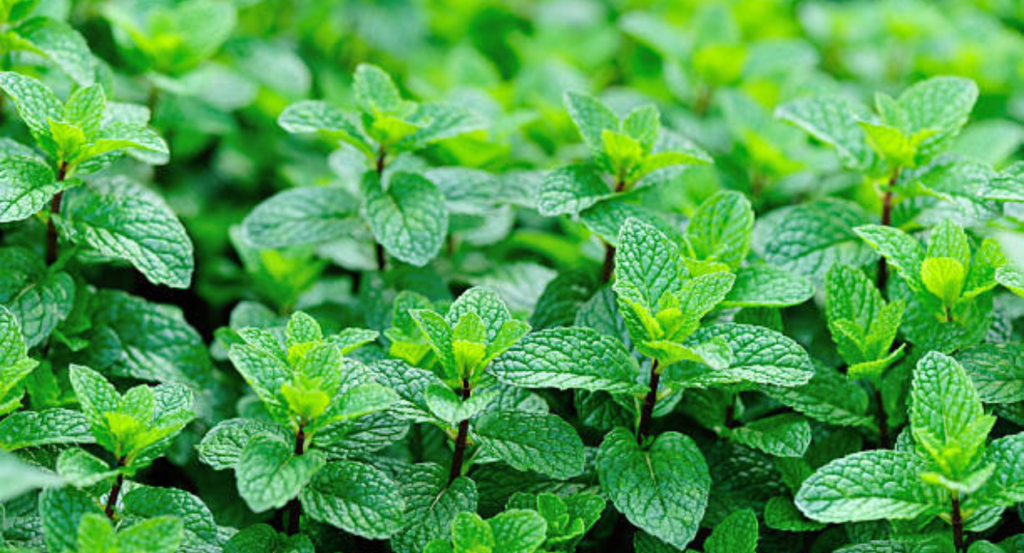
There is cautious optimism for 2027, but recovery will be slow. Agricultural researchers are rushing to develop heat-tolerant and disease-resistant mint varieties. Some farms in cooler regions of Canada and Northern Europe are expanding production, but it will take several growing seasons to scale up meaningfully.
Innovative solutions are emerging. Vertical farming companies in the Netherlands and California are successfully growing mint indoors under controlled conditions, though the higher cost means these leaves sell at premium prices. Hydroponic systems are also showing promise for urban growers.
In the meantime, consumers are adapting. Many are substituting with lemon balm, Thai basil, or a mix of parsley and cilantro for savory dishes. For cocktails, some bartenders are experimenting with sorrel or shiso leaves. Dried mint and mint essential oil (used sparingly) remain available but at much higher costs.
The Bigger Picture: A Warning for the Future
The 2026 mint shortage is more than just an inconvenience — it is a clear warning sign. Mint has always been viewed as a hardy, fast-growing plant, yet even it is now struggling under the pressures of climate change. Rising temperatures, shifting rainfall patterns, and aggressive soil diseases are threatening many herbs and specialty crops that were once considered climate-resilient.
This situation highlights the urgent need for agricultural innovation, better soil management, and more sustainable water practices. It also raises questions about how everyday pleasures — a fresh mint leaf in your iced tea or the cooling sensation in your toothpaste — may become occasional luxuries rather than everyday staples.
As we head into the second half of 2026, many are learning to value simple ingredients more deeply. The mint shortage may fade in the coming years, but the lessons it brings about our changing climate and vulnerable food systems are likely to remain long after the crisis ends.
Faqs
Q1: Why is there a severe mint shortage in 2026?
The 2026 mint crisis was triggered by a combination of extreme heatwaves, prolonged drought, and heavy rains in major growing regions like Washington, Oregon, Idaho, China, and India. These conditions fueled outbreaks of Verticillium wilt, a destructive soil fungus that wiped out 45–65% of crops. Surging global demand for mint in wellness products, teas, cocktails, and pharmaceuticals made the supply gap even worse.
Q2: How long is the mint shortage expected to last?
Most agricultural experts predict the shortage will continue through 2027, with gradual improvement expected by 2028. Mint fields damaged by disease often require full soil replacement or multi-year crop rotation. New heat-resistant varieties are being developed, but it will take at least two growing seasons before commercial production rebounds meaningfully.
Q3: Which countries and regions have been hit hardest?
The Pacific Northwest (USA) has suffered the most, as it produces over 70% of America’s peppermint and spearmint. China and India, the top global exporters of mint oil, also saw sharp declines due to erratic monsoons and water restrictions. Europe is experiencing secondary shortages because of reduced imports.
Q4: Why has fresh mint become so expensive?
Retail prices have tripled in many markets, with small bunches now selling for 6–8. Reduced harvests, higher labor costs, increased fuel prices for transportation, and strong demand from the beverage, wellness, and pharmaceutical industries have all driven the steep price surge.
Q5: What can I use as a substitute for fresh mint?
Good alternatives include lemon balm, Thai basil, shiso leaves, peppermint tea (brewed and cooled), or a mix of parsley and cilantro for savory dishes. For mojitos and cocktails, sorrel or basil provide a similar freshness, though the flavor profile changes slightly. Dried mint can work in teas and rubs but lacks the bright aroma of fresh leaves.
Read This: