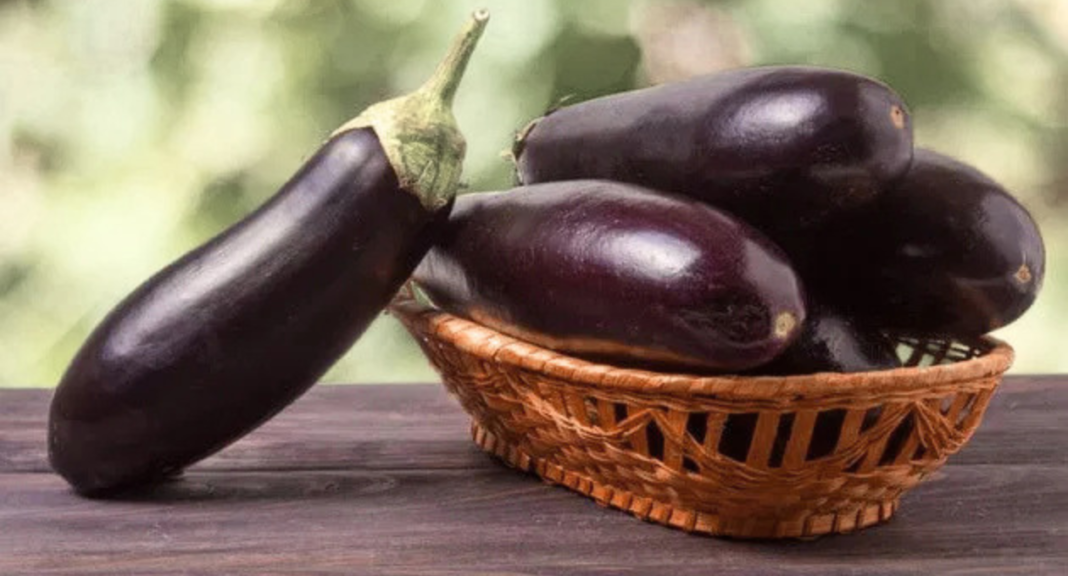

If you’ve walked into a grocery store recently and done a double-take at the price of eggplants, you’re not alone. What was once an affordable staple vegetable has become one of the most expensive items in the produce aisle in 2026. Reports from major markets in North America, Europe, and Asia show Eggplant Shortage prices have surged between 180% and 340% in the past eight months. Some regions are experiencing outright shortages, with empty bins where glossy purple eggplants used to sit.
This is more than just a minor inconvenience for home cooks who love ratatouille, baba ganoush, or eggplant parmesan. The eggplant shortage is a perfect storm of climate change, agricultural pests, rising global demand, and fragile supply chains. In this article, we’ll explore what caused this crisis, how it’s affecting consumers and businesses, practical alternatives you can use right now, and what the future might hold.
What’s Causing the Eggplant Shortage?
Eggplants (also known as aubergines or Solanum melongena) are warm-weather crops that require consistent heat, water, and long growing seasons. Major producers — China, India, Egypt, Turkey, and parts of the Mediterranean — have all been hit hard simultaneously.
The primary culprit is extreme weather. Record-breaking heatwaves across South Asia and the Middle East in 2025–2026 stressed plants and reduced yields dramatically. In India’s key growing regions, prolonged drought followed by unseasonal flooding destroyed nearly 35% of the expected harvest, according to the Indian Council of Agricultural Research. Similar conditions in China’s Yangtze River basin led to a reported 28% drop in output.
Compounding the weather problems is a devastating resurgence of the eggplant fruit and shoot borer (EFSB), a moth whose larvae bore into stems and fruits. Warmer winters have allowed pest populations to explode. Many smallholder farmers in developing countries lack access to effective integrated pest management tools, leading to heavy crop losses.
On top of biological and climatic pressures, global demand for eggplants has increased. The continued rise of Mediterranean, Middle Eastern, and plant-based diets has pushed consumption higher, while export markets have become more competitive. Shipping delays caused by Red Sea disruptions and higher fuel costs have made international trade in fresh produce even more expensive and unreliable.
The result? Global eggplant production is estimated to be down approximately 22% compared to the 2023–2024 average, according to preliminary FAO data.
Economic Impact on Restaurants, Farmers, and Consumers
The ripple effects are being felt across the entire food system. Fine dining establishments that feature eggplant-heavy dishes like melanzane alla parmigiana or grilled eggplant towers have either removed them from menus or raised prices significantly. Many Indian, Thai, and Middle Eastern restaurants report customers complaining about smaller portions and higher costs.
For farmers, the situation is mixed. Those who managed to produce a decent crop are enjoying record prices, but the majority have suffered heavy losses. In Egypt, one of the world’s top exporters, many growers have reportedly switched to easier crops like tomatoes or peppers for the next season, which could prolong the shortage.
At the consumer level, the average household is paying $2.49–$4.99 per pound in many U.S. and European cities, compared to $0.99–$1.79 just two years ago. This hits low-income families and restaurants operating on thin margins particularly hard. Food banks that used to receive surplus eggplant donations are now seeing almost none.
Smart Alternatives and Recipe Substitutions
While we wait for supply to recover, home cooks don’t have to abandon their favorite eggplant recipes entirely. Several vegetables can step in as substitutes:
- Zucchini or Yellow Squash: Excellent in grilled dishes and ratatouille. They have a similar mild flavor when cooked.
- Portobello or King Oyster Mushrooms: Provide a meaty texture perfect for eggplant parmesan or stir-fries. They absorb flavors beautifully.
- Cauliflower: When roasted, it develops a creamy interior that works surprisingly well in baba ganoush.
- Sweet Potatoes or Butternut Squash: Add sweetness and substance to curries and stews that traditionally call for eggplant.
Pro tip: Roasting or grilling these substitutes with a touch of smoked paprika or liquid smoke can replicate the slightly smoky depth that eggplant naturally develops.
Many chefs are also turning to preserved or frozen eggplant when available. If you find reasonably priced eggplants, consider buying extra and roasting/freezing them for later use.
What’s Being Done to Solve the Crisis?
Governments and agricultural scientists are responding. India has launched a national campaign promoting resistant hybrid varieties and subsidized pheromone traps for pest control. In Europe, the EU’s agricultural innovation funds are supporting greenhouse projects that can control climate variables more precisely.
Seed companies are accelerating development of drought-tolerant and pest-resistant eggplant cultivars using both traditional breeding and precision gene editing. Vertical farming startups in the Netherlands and Singapore have begun small-scale commercial eggplant production, though these currently represent only a tiny fraction of total supply.
Consumer awareness campaigns are encouraging people to buy local seasonal produce and support farmers’ markets, which helps stabilize demand.
Conclusion
The 2026 eggplant shortage serves as a stark reminder of how vulnerable our global food systems are to climate disruption. A single vegetable’s disappearance from shelves reveals the complex interplay between weather patterns, pests, economics, and consumer trends. While the current crisis is painful for both wallets and dinner tables, it may ultimately drive positive long-term changes — greater investment in resilient agriculture, more diverse crop planning, and increased consumer appreciation for seasonal eating.
In the meantime, get creative in the kitchen, support local farmers when possible, and perhaps try growing a few eggplant plants yourself if you have garden space. This shortage won’t last forever, but the lessons it teaches about food security will remain relevant for decades. The purple gold may return to normal prices one day — but only if we address the underlying issues of climate change and sustainable agriculture now.
FAQs
1. How long is the eggplant shortage expected to last?
Most agricultural analysts predict the worst of the shortage will continue through the end of 2026 and into early 2027. New harvests from the Southern Hemisphere and improved greenhouse production may bring some relief by late 2026, but full recovery is not expected until 2027–2028.
2. Why have eggplants become so expensive?
The combination of significantly reduced global supply (down ~22%) and steady or rising demand has created a classic supply-and-demand price spike. Higher transportation and fertilizer costs have further increased the final retail price.
3. Can I grow eggplants at home?
Yes! Eggplants grow well in containers or garden beds if you have at least 6–8 hours of direct sunlight and warm temperatures (above 70°F/21°C). Choose compact varieties like ‘Black Beauty’ or ‘Ichiban’ for home gardens. They need consistent moisture and rich soil.
4. Are there any health or nutritional concerns with eating less eggplant?
Eggplants are rich in fiber, antioxidants (especially nasunin in the skin), and low in calories. However, they are not a nutritionally irreplaceable food. You can easily obtain similar benefits from other vegetables like zucchini, tomatoes, and leafy greens.
5. Which countries are most affected by the eggplant shortage?
Mediterranean countries, the Middle East, India, and parts of Southeast Asia are experiencing the most severe impacts due to cultural reliance on the vegetable. North America and Northern Europe are seeing high prices but better availability through imports.
Read This: