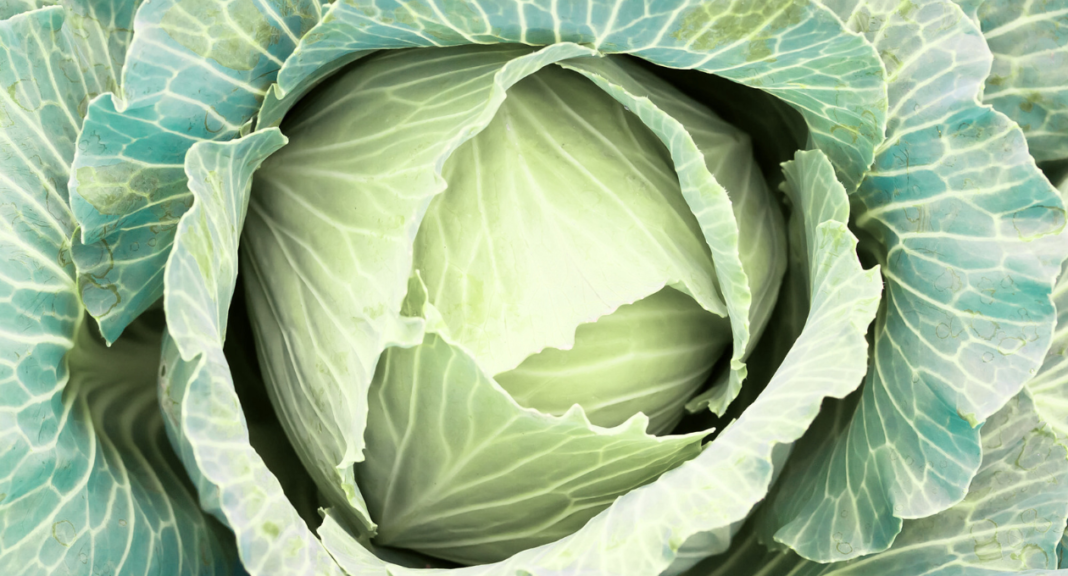

The humble cabbage is in crisis.
What was once one of the cheapest, most reliable vegetables on the planet has become surprisingly difficult to find in 2026. Supermarket shelves that used to be stacked high with green and red cabbages now sit half-empty. Prices have surged between 85% and 150% in many countries. From coleslaw and kimchi to cabbage shortage rolls and fermented sauerkraut, favorite dishes are getting more expensive and harder to prepare.
We are officially experiencing a global cabbage shortage.
Why Is There a Cabbage Shortage in 2026?
The 2026 cabbage crisis is the result of multiple overlapping disasters. Extreme weather events across the Northern Hemisphere have devastated major growing regions.
Europe, which accounts for nearly 30% of global cabbage production, was hit hardest. Record-breaking summer heatwaves in Poland, Germany, and the Netherlands were followed by devastating floods in late summer and early autumn. These conditions destroyed entire fields and created perfect breeding grounds for clubroot disease, a soil-borne pathogen that causes cabbages to rot from the inside.
In North America, prolonged drought across California and the Pacific Northwest — key winter cabbage regions — reduced yields by an estimated 40%. China, the world’s largest producer, faced its own problems: erratic monsoon patterns and a severe pest outbreak of cabbage moths that resisted usual pesticide controls.
Compounding the supply problem is rising global demand. As more people turn to plant-based diets and fermented foods for gut health, demand for cabbage has grown steadily since 2023. The continued popularity of Korean kimchi, German sauerkraut, and Eastern European stuffed cabbage dishes has put additional pressure on already strained supplies.
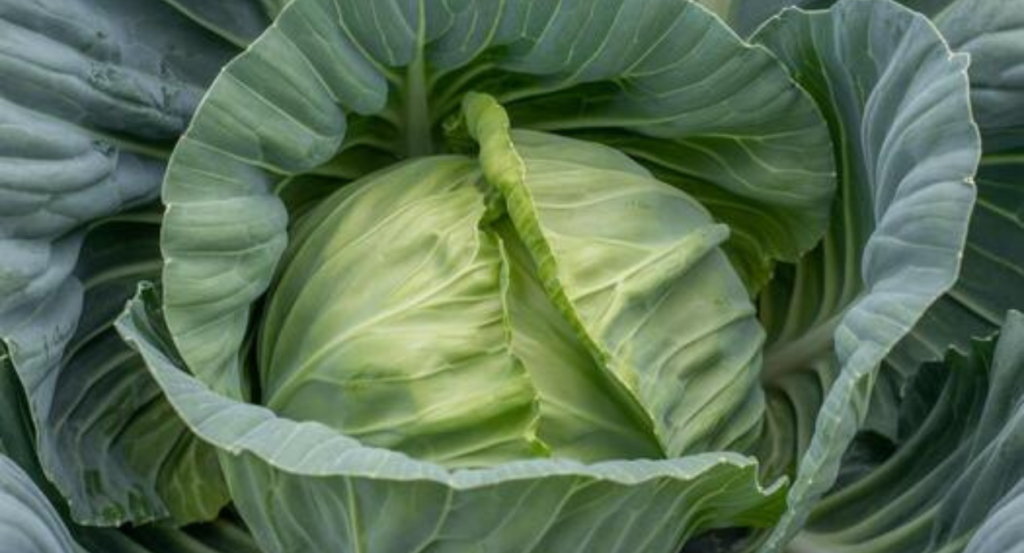
The Economic Impact
The numbers are painful:
- In the United States, average retail prices for green cabbage jumped from $0.89 per pound in 2024 to $2.29 per pound in early 2026.
- In the UK and EU, wholesale prices for white cabbage have more than doubled.
- Restaurants and food manufacturers are struggling. Coleslaw portions have shrunk, kimchi producers have increased prices by 60%, and some packaged slaw brands have temporarily disappeared from shelves.
Small farmers have been hit particularly hard. Many lost their entire season’s crop and face high costs to treat diseased soil. Meanwhile, large industrial growers who survived are enjoying record prices, creating tension in the agricultural community.
Is This Temporary or the New Normal?
Experts are increasingly warning that this may not be a one-year event. Cabbage is a cool-weather crop that struggles when temperatures regularly exceed 25°C (77°F) during head formation. With climate models predicting hotter summers and more unstable rainfall patterns across Europe, North America, and East Asia, consistent cabbage shortages could become more frequent.
Some analysts now refer to cabbage as a “climate-sensitive indicator crop” — its struggles may signal bigger problems for other staple vegetables in the years ahead.
FAQs
Q1: Why is cabbage so expensive in 2026?
Extreme weather, flooding, drought, and disease outbreaks in major producing countries (Europe, China, and the US) have drastically cut supply while demand continues to rise.
Q2: How long will the cabbage shortage last?
Most forecasts suggest the shortage will ease slightly by late 2027, but full recovery is not expected before 2028. Soil diseases like clubroot can remain active for years.
Q3: Which types of cabbage are most affected?
Green and white cabbage have been hit hardest. Red cabbage and specialty varieties like savoy are also more expensive but slightly more available in some regions.
Q4: Is climate change really behind the cabbage shortage?
Yes. Scientists say warmer temperatures and unpredictable rainfall are making it increasingly difficult to grow reliable cabbage crops at scale.
Q5: What are good substitutes for cabbage?
Try kale, Swiss chard, bok choy, or Brussels sprouts for fresh dishes. For fermentation, cauliflower or radish can work as alternatives for kimchi-style recipes.
Read This: