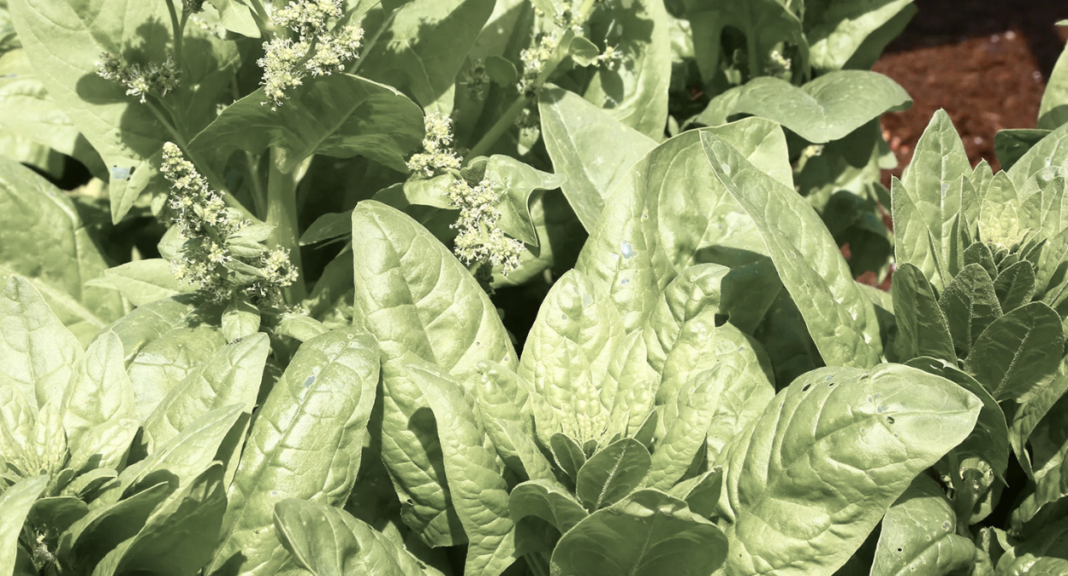

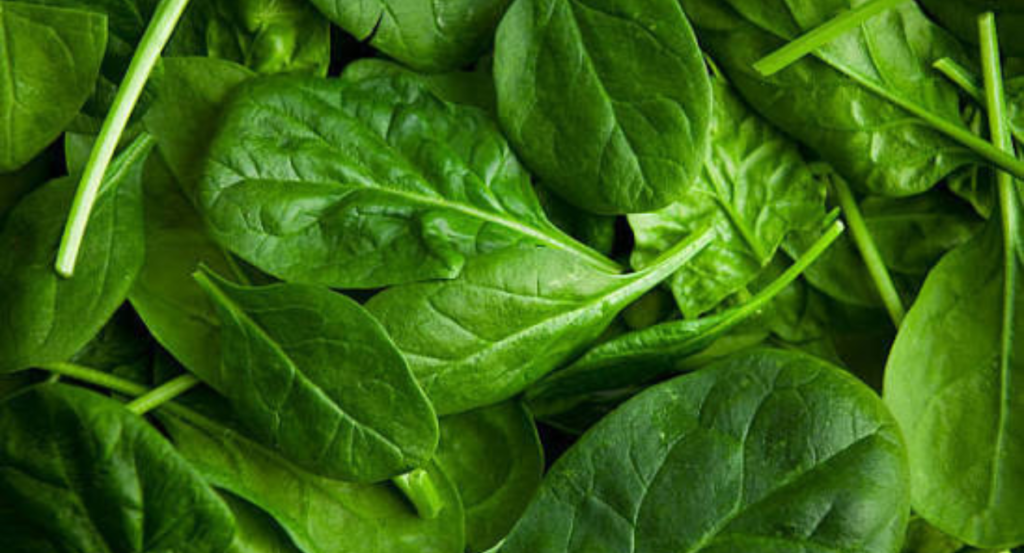
Spinach is one of the most popular leafy green vegetables, valued for its nutritional benefits, affordability, and versatility. It is used in salads, soups, curries, smoothies, sandwiches, and many other dishes. However, a spinach shortage can quickly affect consumers, restaurants, grocery stores, and farmers. When supplies become limited, prices may increase and the quality or availability of fresh spinach can become inconsistent.
A spinach shortage can happen for several reasons, including unfavorable weather, plant diseases, transportation problems, rising production costs, and changes in consumer demand. Understanding these factors can help consumers and businesses prepare for periods when spinach becomes difficult to find.
What Is Causing the Spinach Shortage?
One of the main causes of spinach shortages is bad weather. Spinach grows best under suitable temperatures and requires adequate water. Extreme heat, heavy rainfall, drought, or unexpected cold weather can damage crops and reduce harvests. When large quantities of spinach are affected by unfavorable weather, the overall supply can decline.
Another important factor is plant disease and pests. Spinach crops can be vulnerable to various diseases and insects. If farmers experience an outbreak, they may have to destroy affected crops to prevent the problem from spreading. This can significantly reduce the amount of spinach available in local markets.
Rising Costs for Farmers
The cost of growing spinach has also become an important issue. Farmers need seeds, fertilizer, water, labor, packaging materials, equipment, and transportation. When these costs rise, producing spinach becomes more expensive.
Higher fuel prices can be particularly important because fresh spinach often needs to reach markets quickly. Transportation costs can increase the final price paid by consumers. If production becomes too expensive, some farmers may reduce the amount of spinach they grow or switch to other crops that offer better returns.
How Does a Spinach Shortage Affect Prices?
When the supply of spinach decreases while demand remains high, prices generally rise. Grocery stores and vegetable markets may receive smaller quantities from suppliers, and wholesalers may charge more for available stock.
Consumers may notice that spinach costs more than usual or that packages contain smaller quantities. Restaurants can also be affected because spinach is used in many popular dishes. Businesses may need to increase menu prices, reduce portion sizes, or temporarily replace spinach with another vegetable.
The severity of a price increase depends on the size and duration of the shortage. A short-term supply problem may have only a temporary effect, while a prolonged shortage can create more significant challenges.
Impact on Restaurants and Food Businesses
Restaurants rely on a consistent supply of fresh ingredients. A spinach shortage can make menu planning more difficult, especially for businesses that regularly serve spinach-based dishes.
For example, a restaurant may offer spinach salads, spinach sandwiches, pasta, wraps, or cooked spinach dishes. If the vegetable becomes too expensive or unavailable, the restaurant may need to find alternatives.
Some businesses may use lettuce, kale, cabbage, arugula, or other leafy greens as substitutes. However, changing an ingredient can affect the taste, appearance, and nutritional profile of a dish.
What Can Consumers Do During a Shortage?
Consumers do not necessarily need to stop eating healthy vegetables during a spinach shortage. There are several alternatives that can provide similar nutritional benefits.
Kale is one possible substitute because it is a nutrient-rich leafy green that can be used in salads and cooked meals. Swiss chard, lettuce, arugula, and other greens can also work in many recipes.
Frozen spinach is another option when fresh spinach is difficult to find. Frozen vegetables can have a longer shelf life and are convenient for cooking. Consumers should compare prices and check different stores or local markets because availability can vary from one location to another.
How Farmers Can Prepare
Farmers can reduce the risks associated with crop shortages by using better irrigation systems, selecting suitable varieties, improving soil management, and monitoring crops for diseases and pests. Growing spinach during appropriate seasons can also help reduce the impact of extreme temperatures.
Diversifying crops may provide additional protection. If one vegetable experiences poor growing conditions, farmers may still have other crops available for sale.
Better storage and transportation systems can also help reduce waste. Because spinach is highly perishable, delays between harvesting and reaching consumers can result in significant losses.
Will the Spinach Shortage Continue?
The duration of a spinach shortage depends on its cause. If the problem is related to temporary weather conditions, supplies may recover once new crops are harvested. However, ongoing challenges such as extreme weather, higher farming costs, disease outbreaks, or transportation problems can make shortages last longer.
Consumers should avoid unnecessary panic buying because it can put additional pressure on already limited supplies. Buying only what is needed can help reduce food waste and keep household costs under control.
Conclusion
A spinach shortage can affect much more than the availability of one vegetable. It can influence farmers, wholesalers, grocery stores, restaurants, and consumers. Weather conditions, crop diseases, rising production expenses, transportation difficulties, and supply-chain problems can all contribute to reduced spinach supplies.
While shortages can lead to higher prices and limited availability, consumers have several alternatives. Kale, Swiss chard, lettuce, arugula, and frozen spinach can help fill the gap when fresh spinach is unavailable.
For farmers and food businesses, careful planning and diversification can make it easier to manage supply disruptions. As agricultural conditions continue to change, maintaining reliable food production and efficient distribution will remain important for keeping nutritious vegetables available to consumers.
faqs
1. Why is there a spinach shortage?
A spinach shortage can be caused by extreme weather, crop diseases, pests, rising farming costs, transportation problems, and reduced harvests.
2. Will a spinach shortage increase prices?
Yes. When spinach supplies decrease while demand remains high, prices can increase. The size of the increase depends on how severe and long-lasting the shortage is.
3. Can bad weather affect spinach production?
Yes. Excessive heat, heavy rain, drought, and unexpected cold conditions can damage spinach crops and reduce harvests.
4. What can I use instead of spinach?
Kale, Swiss chard, lettuce, arugula, and other leafy greens can be used as alternatives to spinach in many recipes.
5. Is frozen spinach a good alternative?
Yes. Frozen spinach can be a convenient alternative when fresh spinach is unavailable or expensive, and it has a longer shelf life.
Read This: