
Two years after the 2025 cilantro shortage rattled kitchens across America, the situation has returned — only this time it’s more severe, widespread, and stubborn. As we move through mid-2026, fresh cilantro has become one of the hardest ingredients to find consistently. Grocery shelves remain patchy, restaurant menus have changed permanently in many cities, and home cooks are growing increasingly frustrated.
Once considered a cheap, everyday herb, cilantro has now joined the ranks of scarce commodities. Prices have tripled in some regions, and quality is at an all-time low. This is no longer a regional problem. From Los Angeles taquerias to New York Thai restaurants, the absence of cilantro is being felt nationwide.This blog post examines the causes behind the 2026 cilantro shortage, its economic impact, practical alternatives, and what the future likely holds.
Why the Cilantro Shortage Is Back in 2026
The 2026 cilantro shortage is the result of escalating climate pressures, structural agricultural problems, and surging global demand.
Cilantro is a cool-weather crop that struggles when temperatures consistently exceed 80°F (27°C). This year, record-breaking heat waves across California, Arizona, Texas, and Mexico have caused massive bolting — the process where cilantro rapidly flowers, becomes bitter, and inedible. Entire harvests were lost in a matter of days.
Compounding the issue is a new fungal disease, Cilantro Leaf Spot, which has spread aggressively due to irregular weather patterns. Farmers report losing up to 40% of their crops even before harvest. Water restrictions in the Southwest have also intensified, forcing growers to reduce planted acreage by nearly 25% compared to 2024 levels.
Labor shortages continue to plague the industry. Harvesting cilantro requires fast, careful hand labor. With fewer seasonal workers available and rising wages, many farms have simply stopped growing cilantro in favor of hardier crops.
Meanwhile, international demand continues to climb. The global popularity of Mexican, Indian, Persian, and Vietnamese cuisines has pushed cilantro consumption up another 22% since 2025. Supply chains, already strained, have been unable to recover.
Economic Impact on Restaurants and Consumers
The financial toll of the 2026 cilantro shortage is significant. Wholesale prices have climbed from an average of $9 per case in 2024 to as high as $42 per case in June 2026. Many independent restaurants have been forced to either raise menu prices or remove signature dishes such as cilantro-lime rice, fresh salsas, pho garnishes, and chutneys.
Large grocery chains have introduced purchase limits and are charging premium prices for lower-quality bunches that wilt within 48 hours. Food trucks and mid-sized restaurants have been hit hardest, with some reporting a 12–18% drop in sales of cilantro-heavy items.
The ripple effect has reached packaged food companies. Several major salsa and guacamole brands have quietly reformulated their products, replacing fresh cilantro with dried herbs or synthetic flavorings, drawing criticism from loyal customers.
Best Substitutes During the Shortage
Finding a true replacement for cilantro’s bright, citrusy, and slightly metallic flavor remains difficult, but these options work best in 2026:
- Culantro (Recao): Still the strongest substitute. It offers deeper flavor and better heat tolerance. Available at many Caribbean and Latin American markets.
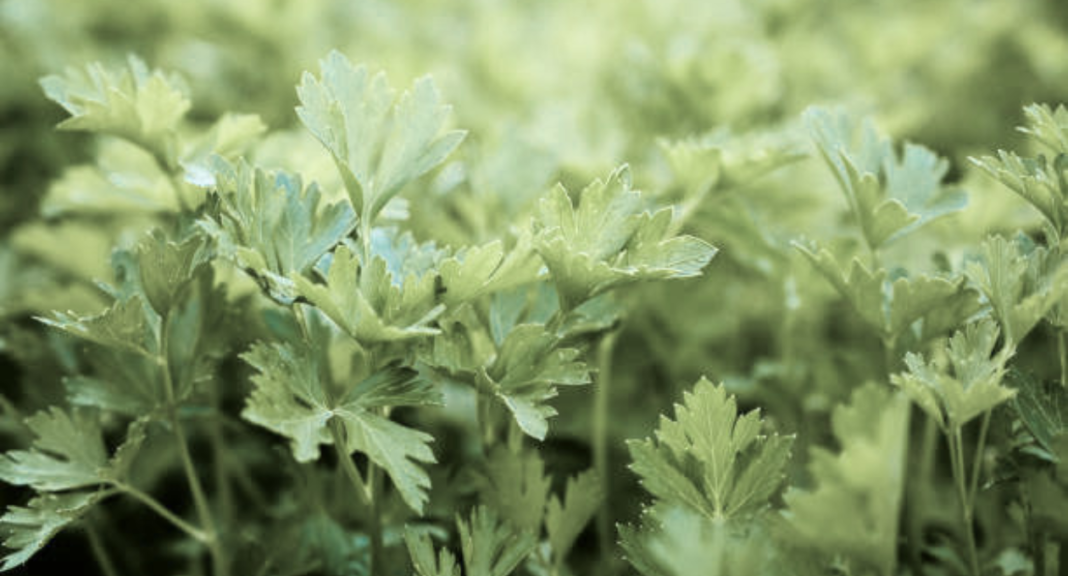
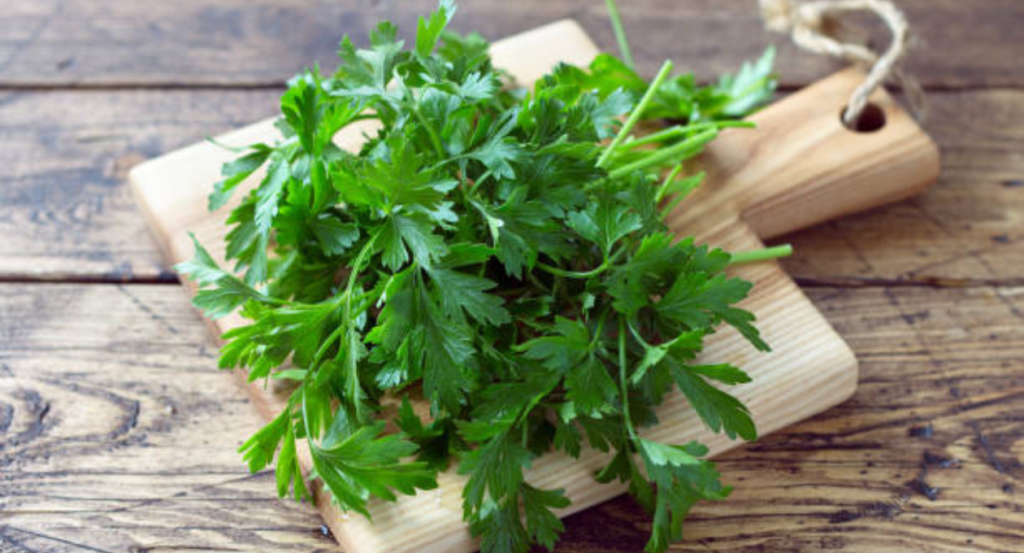
- Parsley and Lime Zest Mix: The most accessible supermarket option. Adds freshness but lacks cilantro’s distinctive bite.
- Thai Basil or Mint: Excellent in Asian dishes, especially curries and noodle soups.
- Celery Leaves: Surprisingly effective in cooked applications and salsas.
For those who can find fresh cilantro, proper storage is critical. Trim the stems, place in a jar of water, cover with a plastic bag, and refrigerate. This can extend usability up to 12–14 days.
Growing Cilantro at Home – The Smartest Solution
With shortages likely to become more frequent, many households are now growing their own cilantro. The herb grows rapidly from seed and is ideal for containers, raised beds, or even windowsills.
Plant in partial shade, keep soil moist but not waterlogged, and sow new seeds every 10–14 days for a steady supply. In 2026, “microgreens cilantro” has become especially popular, offering harvestable leaves in just 8–12 days. Urban gardening groups report a 300% increase in cilantro seed sales this year.
Will the 2026 Cilantro Shortage Ever End?
Agricultural experts predict limited relief by October or November 2026 when cooler weather returns to key growing regions. However, many warn that recurring shortages are the new normal. Climate change, water scarcity, and labor challenges suggest cilantro may remain an unstable crop for the foreseeable future.
This crisis has sparked greater interest in indoor vertical farming and hydroponic cilantro production, which may eventually stabilize supply — though these solutions are still years away from meeting national demand.
Conclusion
The 2026 cilantro shortage is not just an inconvenience; it is a symptom of deeper issues in our food system. What was once a simple, inexpensive herb has become a luxury item, forcing chefs, home cooks, and businesses to adapt or pay significantly more.
While we wait for supply to recover later this year, the smartest moves are growing your own, embracing creative substitutes, and supporting farms that use climate-resilient practices. The great cilantro shortage of 2026 may finally push both consumers and the industry toward more sustainable solutions. Until then, your tacos, curries, and salads will require a little extra creativity.
Faqs
Q1: How bad is the cilantro shortage in 2026?
It is significantly worse than 2025. Prices have tripled in many areas, and supply is down approximately 35–40% due to extreme heat, disease, and reduced planted acreage.
Q2: What is causing the cilantro shortage this year?
Primary causes include record heat waves causing bolting, a new fungal disease (Cilantro Leaf Spot), severe water restrictions, ongoing labor shortages, and record global demand.
Q3: What is the best substitute for cilantro in 2026?
Culantro remains the closest match. A mix of flat-leaf parsley and fresh lime zest is the most practical everyday substitute.
Q4: Can dried cilantro be used as a replacement?
It works reasonably well in cooked dishes and soups but performs poorly in fresh preparations like pico de gallo, guacamole, or herb garnishes.
Q5: Is it worth growing cilantro at home right now?
Absolutely. It is one of the fastest-growing herbs. With successive planting, you can produce your own supply in as little as 10 days for microgreens.
Read This: