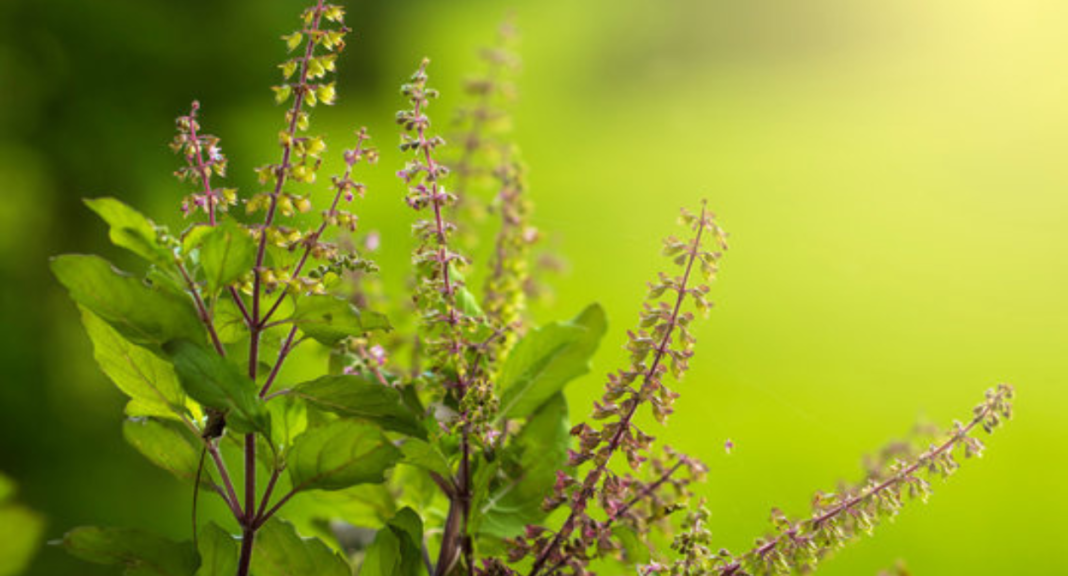

In the past two years, many supermarkets, restaurants, and home cooks have faced an unexpected problem — the basil shortage. Once a common and affordable herb, fresh basil has become increasingly difficult to find, with prices rising sharply in many regions. Whether you’re trying to make homemade pesto, Caprese salad, or Thai basil chicken, the sudden scarcity of this fragrant herb has left both consumers and chefs frustrated.
This is not just a local issue. Basil shortages have been reported across North America, Europe, and parts of Asia. The combination of climate change, aggressive plant diseases, supply chain weaknesses, and surging demand has created a perfect storm for one of the world’s most popular culinary herbs.
Why Basil Matters So Much
Basil is more than just a garnish. It is a cornerstone of Italian, Mediterranean, Thai, and Vietnamese cuisines. Its unique sweet-and-peppery flavor, combined with its aromatic oils, makes it nearly irreplaceable in many signature dishes. Beyond cooking, basil is also valued for its medicinal properties and is widely used in herbal teas and essential oils.
The global demand for fresh basil has grown steadily as more people cook at home, explore international recipes, and prioritize fresh ingredients. This increased popularity, however, has exposed the herb’s vulnerability in modern agriculture.
The Main Causes Behind the Basil Shortage
The current basil shortage is the result of multiple overlapping challenges.
In the past two years, many supermarkets, restaurants, and home cooks have faced an unexpected problem — the basil shortage. Once a common and affordable herb, fresh basil has become increasingly difficult to find, with prices rising sharply in many regions. Whether you’re trying to make homemade pesto, Caprese salad, or Thai basil chicken, the sudden scarcity of this fragrant herb has left both consumers and chefs frustrated.
This is not just a local issue. Basil shortages have been reported across North America, Europe, and parts of Asia. The combination of climate change, aggressive plant diseases, supply chain weaknesses, and surging demand has created a perfect storm for one of the world’s most popular culinary herbs.
Why Basil Matters So Much
Basil is more than just a garnish. It is a cornerstone of Italian, Mediterranean, Thai, and Vietnamese cuisines. Its unique sweet-and-peppery flavor, combined with its aromatic oils, makes it nearly irreplaceable in many signature dishes. Beyond cooking, basil is also valued for its medicinal properties and is widely used in herbal teas and essential oils.
The global demand for fresh basil has grown steadily as more people cook at home, explore international recipes, and prioritize fresh ingredients. This increased popularity, however, has exposed the herb’s vulnerability in modern agriculture.
The Main Causes Behind the Basil Shortage
The current basil shortage is the result of multiple overlapping challenges.
Extreme Weather and Climate Change
Basil is a warm-weather crop that dislikes both frost and excessive moisture. In recent years, unpredictable weather patterns — prolonged heatwaves, heavy flooding, and unseasonal cold snaps — have devastated basil farms. In major growing regions like California, Italy, and Israel, extreme temperatures have reduced yields by up to 40% in some seasons. Climate change is making these events more frequent and severe.
Basil Downy Mildew
One of the most destructive forces is a disease called basil downy mildew, caused by the pathogen Peronospora belbahrii. This fungus-like disease thrives in humid conditions and can wipe out an entire field within days. Infected plants develop yellow leaves with dark spores on the underside. Once it appears, commercial growers often have no choice but to destroy the crop. This disease has become a major threat since it was first widely reported in the United States in 2008, and it continues to spread globally.
Supply Chain and Labor Issues
Even when basil is successfully grown, getting it to market is difficult. Fresh basil has a shelf life of only 5–7 days. Any delay in harvesting, packaging, or refrigerated transport leads to massive waste. Rising fuel costs, truck driver shortages, and port congestion have further complicated distribution.
Exploding Demand
While supply has become unstable, demand continues to rise. The popularity of meal-kit services, health-conscious eating, and global cuisines has pushed consumption higher. During peak seasons, supply simply cannot keep up with this growth.
How the Basil Shortage Is Affecting People
Consumers are feeling the impact directly. In many grocery stores, fresh basil bunches now cost nearly double what they did in 2022. Some retailers have started limiting purchases to one pack per customer.
Restaurants are also struggling. Italian and Thai establishments, which rely heavily on basil, have been forced to either raise menu prices, change recipes, or remove popular dishes temporarily. Small farms that specialize in herbs are facing financial pressure as they lose entire crops to disease and weather.
Solutions and Hope for the Future
Farmers and researchers are actively working to solve the basil shortage.
Many large producers have shifted toward greenhouse and vertical farming, which allows them to control temperature, humidity, and light. These controlled environments significantly reduce the risk of downy mildew and weather-related losses.
Scientists have also developed several downy mildew-resistant basil varieties, such as ‘Eleonora’ and ‘Rutgers Passion D’. These new strains are slowly being adopted by commercial growers and offer better protection without sacrificing flavor.
On the consumer side, there are practical steps you can take:
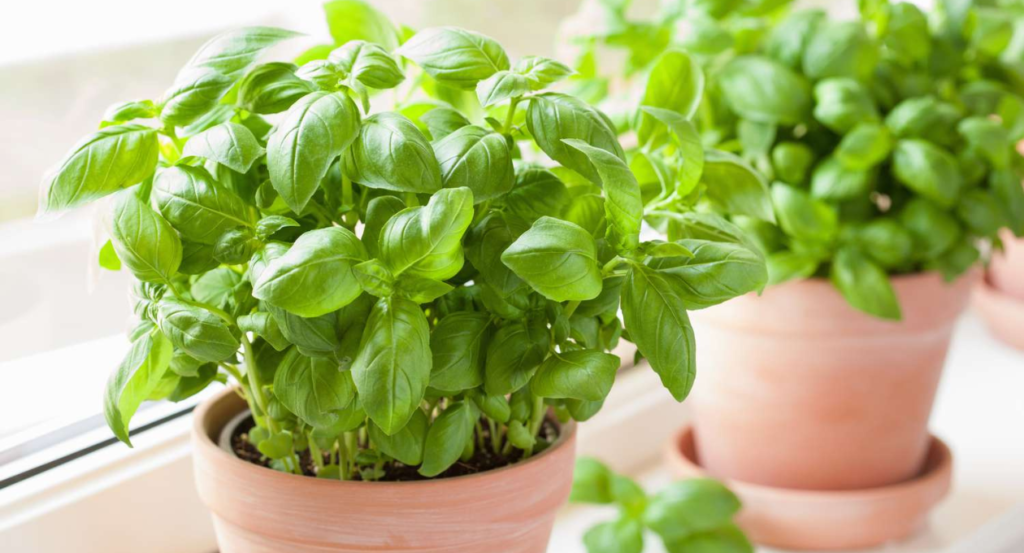
- Grow your own basil. It thrives in pots on balconies, windowsills, or backyard gardens. With six hours of sunlight and consistent watering, one plant can supply a household for months.
- Use substitutes wisely. Parsley, mint, oregano, cilantro, or even a mix of spinach and arugula can work in many recipes.
- Buy local when possible. Supporting nearby herb farms reduces transportation time and helps stabilize regional supply.
- Preserve basil when it’s abundant by making pesto, basil oil, or freezing the leaves.
The Road Ahead
The basil shortage is unlikely to disappear overnight. As long as climate change continues and global demand rises, periodic shortages will remain a risk. However, the industry is adapting faster than many expected. Investments in protected agriculture, better disease management, and improved supply chain technology are showing promising results.
If farmers, scientists, governments, and consumers work together, the days of chronic basil shortages can be reduced. In the meantime, learning to grow your own herbs and becoming more flexible in the kitchen may be the smartest approach.
The next time you see fresh basil in stock, remember that it is more fragile than it looks. Supporting sustainable farming practices and growing a few plants at home may be the best way to protect your favorite herb from future shortages.
FAQs
Q: Is the basil shortage going to get worse?
A: It may continue during extreme weather years, but greenhouse farming and disease-resistant varieties are expected to stabilize supply in the coming years.
Q: What is the best substitute for fresh basil?
A: It depends on the dish. Mint and parsley work well for salads, while oregano is good in cooked sauces. For Thai recipes, holy basil (if available) is the closest match.
Q: Can I grow basil indoors successfully?
A: Yes. Use a sunny south-facing window or grow lights. Keep soil moist but not soggy, and harvest regularly to encourage new growth.
Q: Why is basil so expensive right now?
A: Reduced yields from disease and bad weather, combined with high transportation and labor costs, have driven prices up significantly.