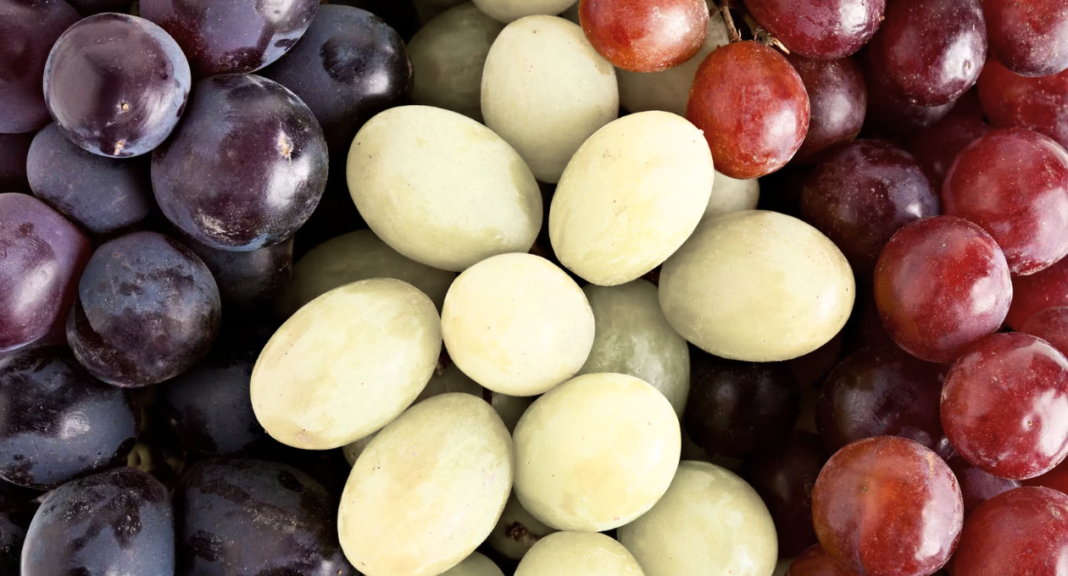

If you’ve recently done your weekly grocery shopping, you’ve probably felt the sting. A decent bunch of grapes that used to cost $2–3 now easily crosses $5–8, and premium varieties can go as high as $12–15 per pound. What was once an affordable, healthy snack has suddenly started feeling like a luxury purchase. So, why are grapes expensive?
The answer isn’t simple. It’s not just “inflation.” A complex mix of climate change, labor shortages, high farming standards, supply chain issues, and surging demand for premium grapes has completely transformed the economics of this fruit. Let’s break it down.
1. Climate Change is Destroying Yields
Grapes are extremely sensitive to weather. They need the perfect balance of sunlight, water, and temperature. In recent years, major grape-producing regions have been hammered by extreme weather:
- California, which produces nearly 99% of U.S. table grapes, has faced repeated heatwaves, wildfires, and severe droughts.
- Europe (Spain, Italy, France) suffered massive crop losses due to late frost followed by extreme heat in 2022–2024.
- In India (a major exporter), erratic monsoons and unseasonal rains have damaged vineyards in Maharashtra, the grape bowl of the country.
Lower yields mean the same demand now chases fewer grapes — the textbook definition of price increase. Farmers are also spending significantly more on irrigation, protective nets, and climate-control measures, all of which get passed on to consumers.
2. Labor Costs Have Skyrocketed
Unlike many fruits that can be mechanically harvested, table grapes are still largely hand-picked. This is done to maintain the perfect appearance and avoid bruising the delicate berries.
Rising minimum wages, labor shortages, and stricter immigration policies in the US and Europe have dramatically increased harvesting costs. A single skilled worker can cost farmers $18–25 per hour in California. These costs have nearly doubled since 2019. Since labor makes up almost 40–50% of the total production cost of table grapes, the price at the store rises accordingly.
3. The Premium Grape Revolution
Today’s consumers don’t want ordinary grapes anymore. They crave exotic, seedless, sweet varieties like:
- Cotton Candy grapes
- Moon Drops
- Sweet Sapphire
- Crimson Seedless
- Organic grapes
These specialty grapes are far more expensive to grow. They require intensive pruning, special trellis systems, precise nutrition management, and longer growing periods. Farmers invest heavily in these varieties because they can sell them at a premium, but that premium is now becoming the new normal.
The rise of “snack grapes” — grapes marketed as convenient, healthy, on-the-go snacks — has also increased packaging, branding, and marketing costs.
4. Soaring Input Costs
The price of everything needed to grow grapes has increased dramatically:
- Fertilizers (especially nitrogen and potassium)
- Pesticides and fungicides
- Diesel for farm machinery
- Packaging materials
The Russia-Ukraine war severely disrupted global fertilizer supply, causing prices to spike by over 80% in some cases. These costs don’t magically disappear. They travel all the way from the vineyard to your refrigerator.

5. High Demand Meets Limited Supply
Health consciousness is at an all-time high. Grapes are promoted as antioxidant-rich, low-calorie, and heart-healthy. Social media platforms like TikTok and Instagram regularly feature grapes in “healthy snack” videos, driving massive demand, especially among younger consumers and fitness enthusiasts.
Meanwhile, global supply has struggled to keep up. Many farmers are switching to more profitable crops like almonds, pistachios, or even cannabis in certain regions. The grapes that remain in production are being sold at significantly higher prices.
6. Import Costs and Supply Chain Issues
Many countries rely heavily on imported grapes during off-season. Transportation costs, port congestion, fuel prices, and refrigerated shipping containers have all become more expensive since the pandemic. A single delay in shipping can reduce shelf life and increase waste, forcing importers to raise margins.
How to Buy Grapes Without Going Broke
While prices may remain high for the foreseeable future, here are some practical tips:
- Buy grapes when they are in season locally
- Choose regular varieties instead of premium ones when possible
- Buy in bulk from wholesale markets or club stores
- Freeze grapes when they’re on sale — they make excellent healthy snacks
- Consider growing your own vine if you have garden space (certain varieties are quite productive)
The Future of Grape Prices
Experts predict that grape prices will remain elevated throughout 2025–2027 unless there is a major improvement in climate conditions and stabilization of input costs. Some analysts even believe that grapes may never return to pre-2020 price levels.
The silver lining? Higher prices are pushing farmers to adopt more sustainable and efficient practices, and consumers are becoming more mindful about food waste.
Final Thought
Grapes have quietly become one of the most expensive common fruits in the produce section — a symbol of how climate change, economics, and changing consumer tastes are reshaping our food system. The next time you hesitate before putting grapes in your cart, know that you’re not imagining it. They really have become expensive, and for very real reasons.
Read This: