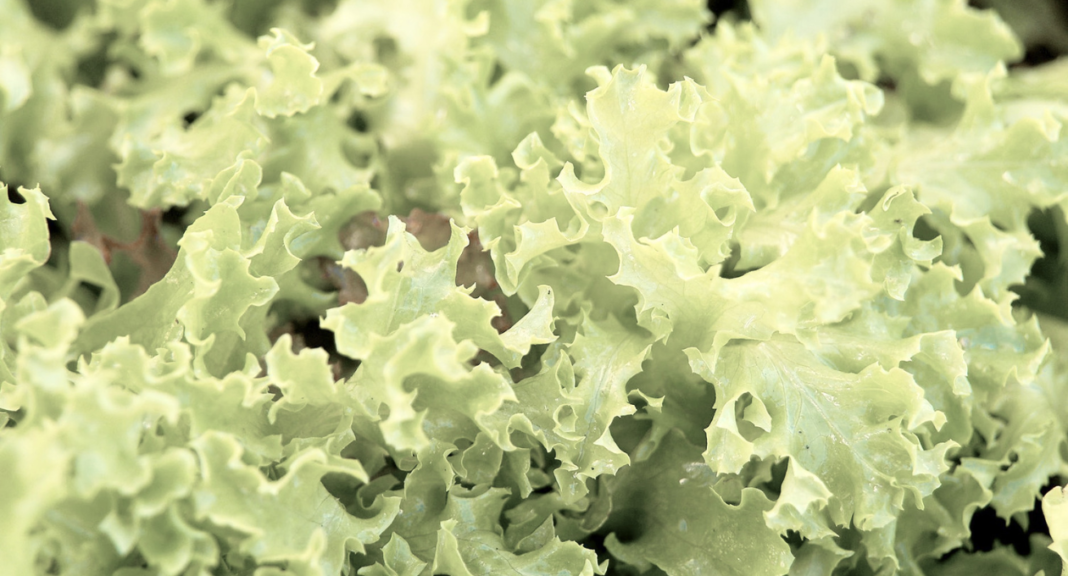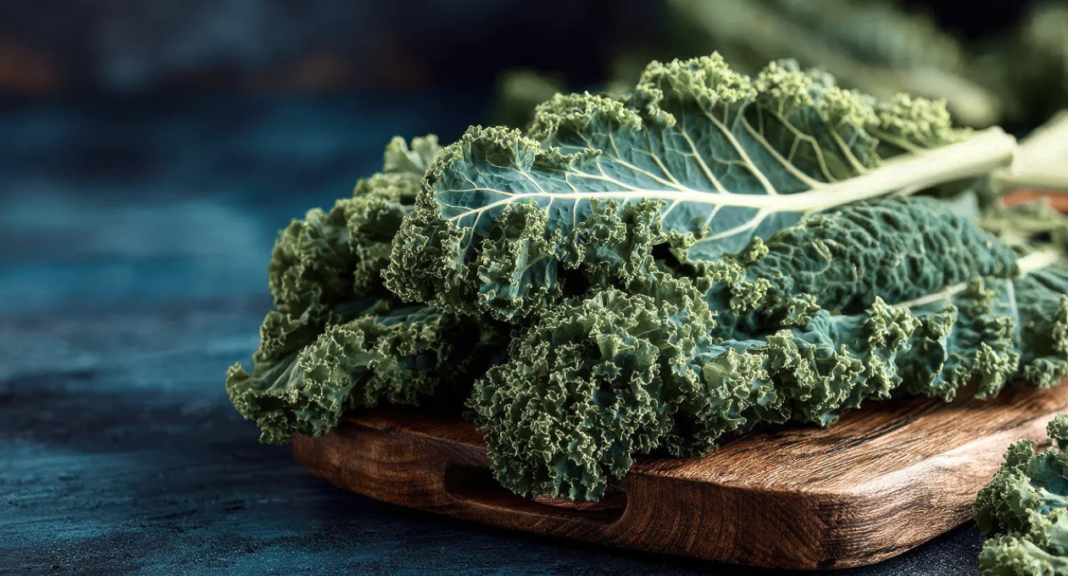

Kale Shortage, once a humble leafy green, became a global superstar over the past decade. Packed with vitamins, antioxidants, and plant protein, it earned its reputation as a true superfood. But in recent months, shoppers have been staring at empty supermarket shelves and skyrocketing prices. The kale shortage is real, widespread, and affecting everything from smoothie shops to fine dining restaurants. This blog explores what’s causing the crisis, how serious it is, and what you can do about it.
Why Is There a Kale Shortage Right Now?
The current kale shortage stems from a perfect storm of environmental, economic, and demand-related pressures.
Extreme weather events have hit major kale-growing regions in California, Arizona, and parts of Europe particularly hard. Severe winter storms followed by unseasonal heat waves damaged crops and reduced yields by up to 40% in some areas. Kale is a cool-weather crop, and these sudden climate swings have proven devastating.
Labor shortages are also playing a major role. Harvesting kale is still largely done by hand. With fewer seasonal workers available due to immigration policy changes and post-pandemic shifts in the agricultural workforce, many farms simply couldn’t bring in their full crop.
On top of this, global demand for kale continues to rise. The health and wellness industry has heavily promoted kale smoothies, kale chips, kale salads, and ready-to-eat kale mixes. Social media trends, celebrity endorsements, and the growing plant-based movement have kept demand at record levels even as supply shrinks.
How Bad Is the Shortage?
According to recent agricultural reports, kale supply in North America and parts of Europe is down approximately 35–45% compared to the same period last year. Retail prices have surged — in some cities, a bunch of organic kale now costs $5 to $7, more than double the normal price. Many grocery chains have started rationing purchases or stopped stocking certain varieties altogether.
Restaurants and food manufacturers are feeling the pain even more. Several major smoothie chains have temporarily removed kale from their menus, while meal-kit companies are scrambling to find alternative ingredients. Some chefs have openly complained on social media that consistent quality has become nearly impossible to maintain.
The Nutritional Importance of Kale
Kale is more than just a trend. One cup of raw kale contains impressive amounts of Vitamin A, Vitamin C, Vitamin K, manganese, and calcium. It’s also rich in antioxidants and anti-inflammatory compounds. Many nutritionists consider it one of the most nutrient-dense foods available.
This is exactly why the shortage matters. When a vegetable this nutritious suddenly becomes scarce and expensive, people tend to replace it with less healthy options. The current kale shortage highlights our fragile food supply system — especially for highly perishable, nutrient-dense crops that depend on specific growing conditions.
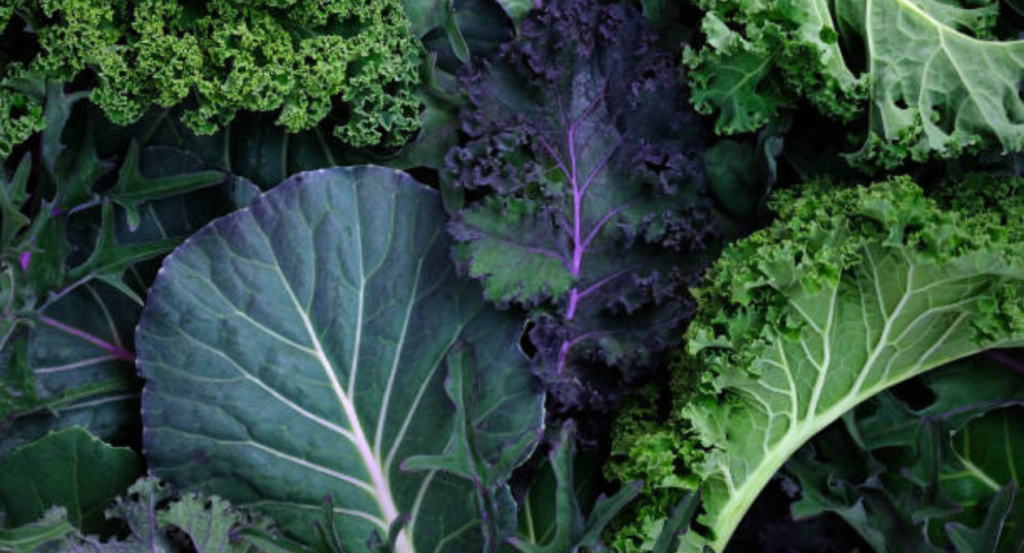
Smart Alternatives While Kale Is Expensive
You don’t have to abandon dark leafy greens just because kale is in short supply. Several excellent substitutes can provide similar or complementary nutritional benefits:
- Swiss Chard: Milder flavor, excellent source of vitamins A, C, and K. Works beautifully sautéed or in soups.
- Collard Greens: Sturdier leaves, high in fiber and calcium. Traditional in Southern cooking but extremely versatile.
- Spinach: More widely available and often cheaper. While slightly lower in some minerals than kale, it’s still highly nutritious and easier to eat raw.
- Mustard Greens or Turnip Greens: Offer a spicy kick and strong nutritional profile.
- Broccoli Leaves: Surprisingly delicious and often thrown away. They taste like a cross between kale and broccoli.
- Cabbage: Especially savoy or red cabbage. Great for crunch in salads and very budget-friendly.
Many people are also turning to frozen kale, which has been less affected by the fresh produce shortage and retains most of its nutritional value.
What’s Being Done to Fix This?
Farmers are responding by planting more kale where possible, but it takes 55–75 days from seed to harvest. New greenhouse operations and vertical farming companies are expanding production in controlled environments to reduce weather dependency. Some experts believe that increased adoption of climate-resilient kale varieties will help stabilize supply in the coming years.
However, most agricultural analysts warn that climate change will continue creating volatility in leafy green supplies. This kale shortage may be a preview of more frequent disruptions ahead.
How Consumers Can Adapt
Here are practical steps you can take:
- Buy local when possible — farmers’ markets sometimes have better supply than big chains.
- Grow your own. Kale is relatively easy to grow in home gardens and containers.
- Use kale sparingly and mix it with other greens when you do find it.
- Stock up on frozen kale for smoothies and cooked dishes.
- Support brands and farms using sustainable and climate-smart practices.
Looking Ahead
The kale shortage is a wake-up call. Our obsession with a handful of trendy superfoods has created dangerous dependency in our food system. Diversifying the greens we eat not only protects us during shortages but also improves our overall nutrition.
While prices will eventually come down as new crops are harvested, the era of cheap, unlimited kale may be ending. Learning to cook with a wider variety of leafy greens is a smart long-term strategy for both your health and your wallet.
The next time you see kale back in abundance, remember this moment. True food security comes from variety, not from putting all our nutritional hopes into one leafy green — no matter how trendy it becomes.
Faqs
1. Is there really a kale shortage right now?
Yes. As of 2025, major growing regions in California, Arizona, and Europe are reporting 35–45% lower kale yields. Empty shelves, rationing, and significantly higher prices at grocery stores confirm that the shortage is both real and widespread.
2. Why is kale so expensive right now?
The price surge is driven by a combination of extreme weather (storms and heat waves), labor shortages in hand-harvested crops, and sustained high consumer demand. In some areas, organic kale now costs 5–7 per bunch — more than double the normal price.
3. How long will the kale shortage last?
Most agricultural experts predict the shortage will ease by late summer or early fall 2025 once new crops are harvested. However, climate change is making these disruptions more frequent, so periods of tight supply may continue in future years.
4. What is causing the current kale shortage?
The main causes are extreme weather events damaging cool-weather crops, a lack of available farm labor, and record demand fueled by health trends, smoothies, and plant-based diets. Supply simply cannot keep up with demand.
5. What are the best substitutes for kale during the shortage?
Excellent alternatives include Swiss chard, collard greens, spinach, mustard greens, broccoli leaves, and savoy cabbage. These greens offer similar nutritional benefits (vitamins A, C, K, and antioxidants) and are often more affordable and available right now.
Read This: