
Rice is one of the most consumed foods on Earth. Billions of people eat it daily, yet many remain confused about how to classify it. Is rice a vegetable? The short answer is no. Rice is a cereal grain, not a Is Rice a Vegetable. However, this seemingly simple question opens up a fascinating discussion about botanical definitions, culinary traditions, nutrition, and even cultural perceptions of food.
Understanding the Botanical Definition
To answer this question properly, we must first understand what a vegetable actually is.
Botanically speaking, a vegetable is any edible part of a plant that is not a seed or a ripened ovary (fruit). This includes roots (carrots, beets), stems (celery, asparagus), leaves (spinach, lettuce), flower buds (broccoli, cauliflower), and tubers (potatoes).
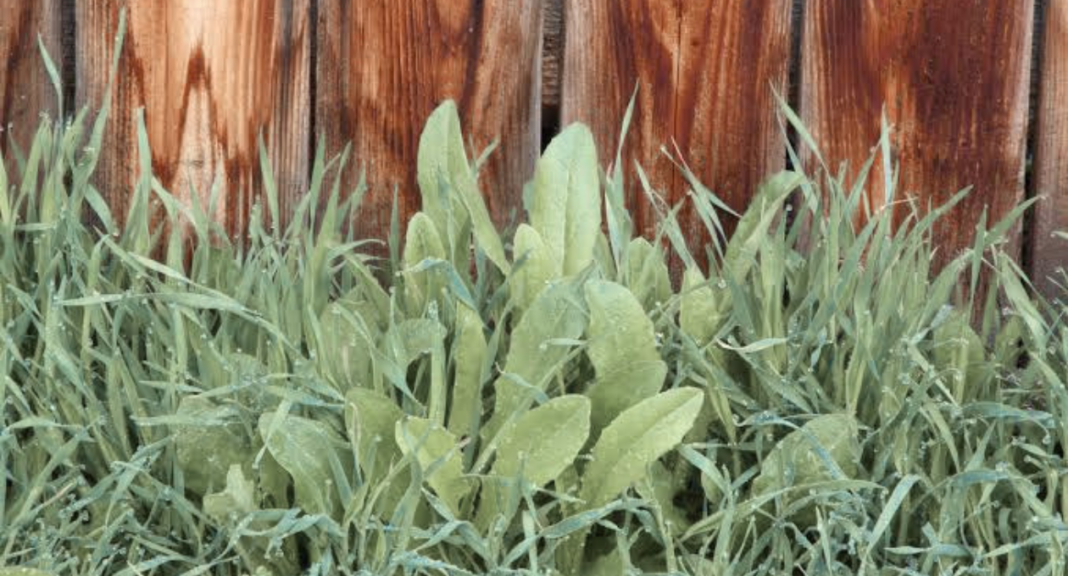
Rice, on the other hand, comes from the grass family (Poaceae). Specifically, it is the seed of the Oryza sativa plant. When you eat rice, you are consuming the caryopsis — the seed of a cereal grain. This puts rice in the same category as wheat, corn, barley, oats, and millet.
According to strict botanical classification, grains and vegetables are two distinct categories. Fruits, vegetables, grains, legumes, and nuts each have their own botanical identities. Rice clearly falls under the grain category.
Why Do People Think Rice Is a Vegetable?
The confusion is understandable for several reasons:
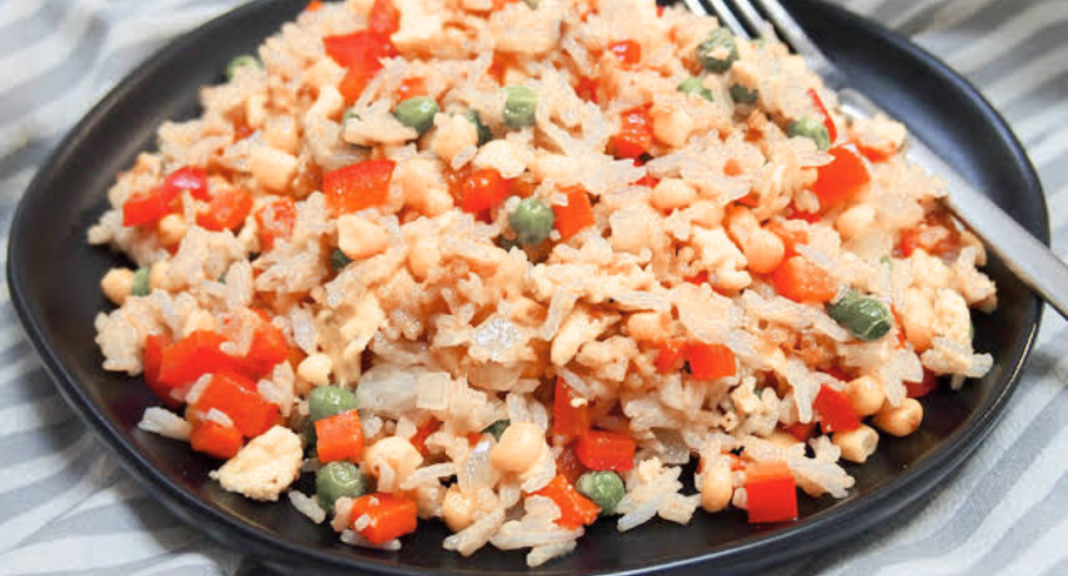
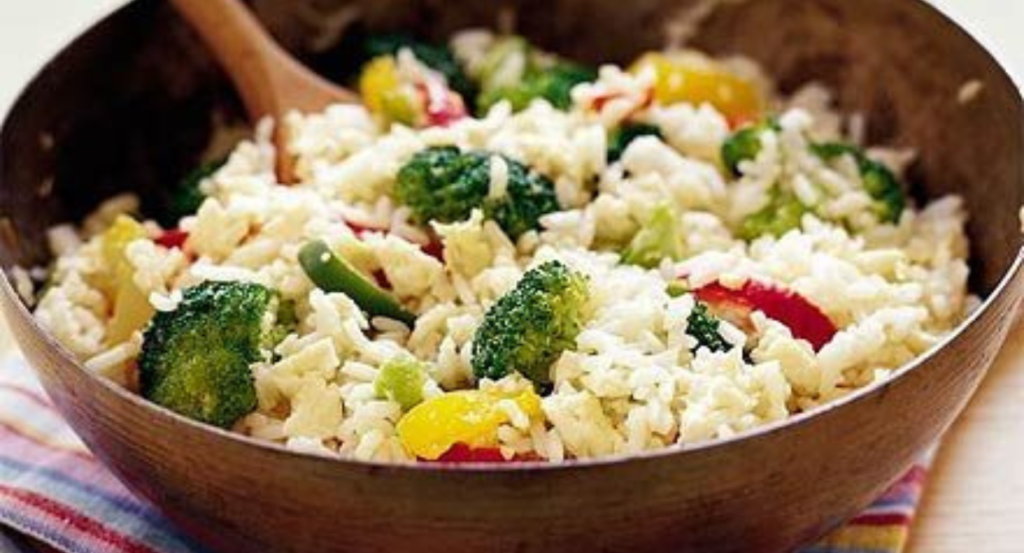
- Culinary Grouping: In many restaurants and home kitchens, rice is often served alongside vegetables. In stir-fries, Buddha bowls, or pilafs, rice and vegetables are frequently combined, leading people to mentally group them together.
- Food Pyramid Confusion: Older versions of dietary guidelines sometimes placed rice under broad “plant-based foods” categories without clear distinction. Many people grew up thinking anything that grows from the ground qualifies as a vegetable.
- White vs. Brown Rice Misconception: Brown rice retains its bran and germ, making it nutritionally closer to whole grains, but this doesn’t change its fundamental classification. Even brown rice is still a grain.
- Marketing and Labeling: Some food companies and meal delivery services loosely use the term “vegetable” when describing healthy sides, further muddying the waters.
Nutritional Reality: Rice vs Vegetables
The nutritional profiles of rice and vegetables are vastly different:
Vegetables are typically low in calories and carbohydrates but extremely high in fiber, vitamins (especially Vitamin C, K, and A), minerals, and antioxidants. They are nutrient-dense with a very low energy density.
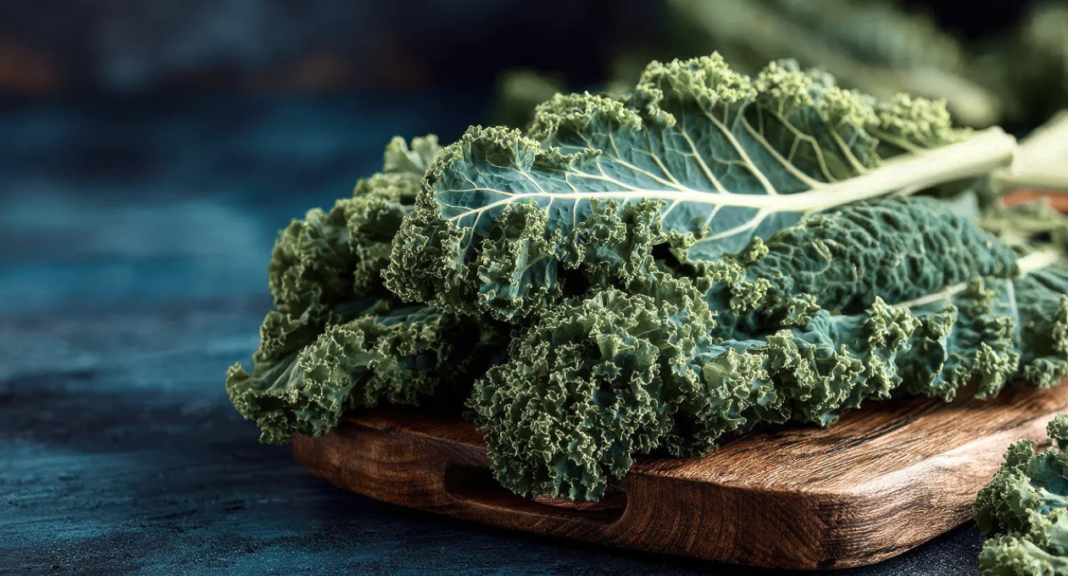
Rice, particularly white rice, is primarily a source of carbohydrates. It provides quick energy but is relatively low in vitamins and minerals compared to vegetables. Brown rice is significantly more nutritious because it retains the bran layer, offering more fiber, magnesium, and B vitamins. Still, even brown rice cannot match the micronutrient density of broccoli, kale, or spinach.
This is why nutritionists recommend “half your plate vegetables” while treating rice and other grains as the carbohydrate component of a meal.
The Cultural Perspective
In many Asian countries, rice is considered the centerpiece of a meal, with vegetables and proteins serving as accompaniments. In Japan, the word for meal (gohan) is the same as the word for cooked rice. This cultural centrality sometimes leads to rice being viewed almost as a “foundation food” rather than being strictly categorized.
In Western diets, rice is often seen as a neutral base that absorbs flavors — similar to how pasta or potatoes function. This functional role further separates it from vegetables, which are prized for their distinct flavors and textures.
Health Implications
Understanding that rice is a grain rather than a vegetable has important dietary consequences:
- People trying to manage blood sugar should be aware that rice (especially white rice) has a high glycemic index.
- Those following low-carb or keto diets correctly treat rice as a grain to avoid, not as a vegetable.
- For balanced nutrition, rice should be paired with actual vegetables, not used as a vegetable substitute.
Interestingly, some health experts now recommend cauliflower rice or broccoli rice as genuine vegetable alternatives that provide similar texture with dramatically different nutritional outcomes.
Final Verdict
Rice is not a vegetable. It is a cereal grain and should be categorized as such in your understanding of nutrition and meal planning.
This distinction matters more than many realize. True vegetables offer unique nutritional benefits that grains simply cannot match. While rice remains an important global staple that provides affordable calories to millions, it should complement vegetables rather than replace them.
Next time you prepare a meal, remember this distinction. Fill half your plate with actual vegetables — the leaves, roots, stems, and flowers of plants — and use rice as the supporting carbohydrate it truly is.
The debate over whether rice is a vegetable reveals how confused modern society has become about basic food classification. Understanding these distinctions is one of the simplest yet most powerful ways to improve your diet.
faqs
1. Is rice a vegetable?
No. Rice is not a vegetable. It is a cereal grain. Vegetables come from the roots, stems, leaves, or flowers of plants, while rice is the edible seed of the Oryza sativa grass plant.
2. What food group does rice belong to?
Rice belongs to the grains food group, specifically the cereal grains category. It is grouped alongside wheat, corn, barley, oats, and quinoa. Nutritionally, it is considered a carbohydrate source rather than a vegetable.
3. Is brown rice a vegetable?
No. Even though brown rice is more nutritious than white rice (because it retains the bran and germ), it is still a grain, not a vegetable. The processing level does not change its botanical classification.
4. Why do so many people think rice is a vegetable?
This confusion usually comes from how rice is used in meals. It is often served together with vegetables in stir-fries, rice bowls, and curries. Additionally, older food guides and loose marketing language have contributed to the misunderstanding.
5. Is rice a fruit or a vegetable?
Rice is neither a fruit nor a vegetable. Botanically, rice is a caryopsis — a type of dry fruit produced by grass plants. However, in everyday language and nutrition, it is simply classified as a grain.
Read This: