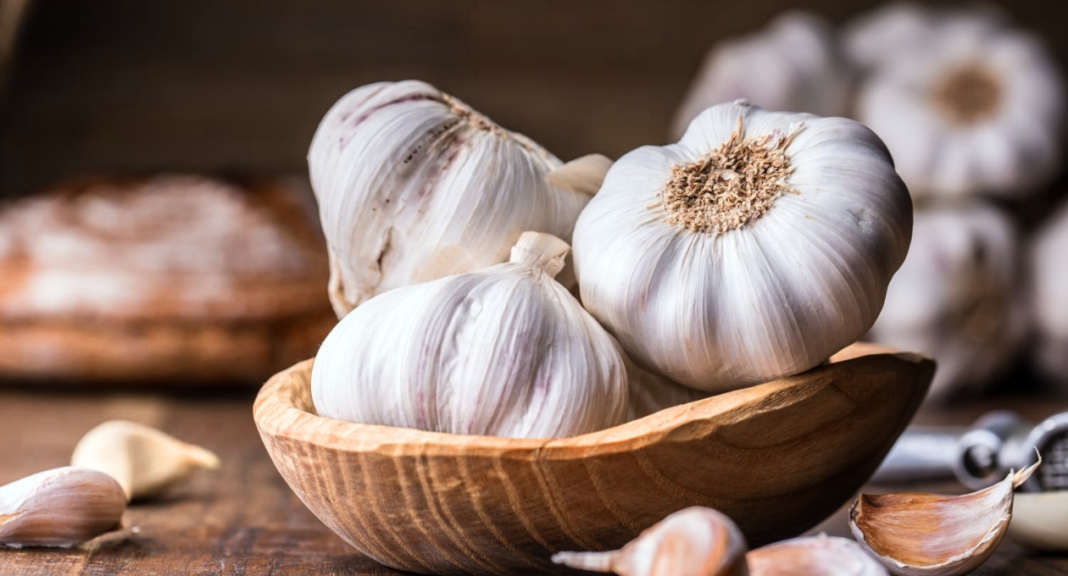

From trendy garlic confit videos to the soul of Italian, Chinese, and Indian cooking, Garlic Shortage has become one of the most loved ingredients on the planet. But in 2025, the world is facing a serious garlic shortage. Shelves are thinning, prices are skyrocketing, and home cooks and chefs alike are starting to panic.
What many thought was just a temporary supply blip has turned into a full-blown global garlic crisis. Here’s what’s really happening, why it’s happening, and how you can survive it.
The Perfect Storm Behind the Shortage
China produces roughly 82% of the world’s garlic. When China sneezes, the garlic world catches pneumonia.
In late 2024, several major garlic-growing regions in China suffered disastrous weather. Heavy summer rains followed by an unusually cold winter damaged crops and drastically reduced yields. At the same time, many Chinese farmers shifted away from garlic to more profitable crops like corn and soybeans due to better government subsidies and market prices.
The problem isn’t limited to China. Spain, the European Union’s largest garlic producer, faced extreme drought and water restrictions in 2024. Mexico and California, key suppliers for the North American market, also reported lower yields due to heat waves and labor shortages. Argentina, another major exporter, saw its production drop because of economic instability that reduced farmers’ ability to invest in proper storage and irrigation.
The result? Global garlic production fell by an estimated 18–22% in 2024–2025, according to industry reports. This is one of the sharpest drops in the past two decades.
Prices Are Going Through the Roof
In many Western countries, retail garlic prices have increased between 180% and 350% compared to 2023. What once cost $2.99 per pound is now selling for $8.99 to $12.99 in some cities. Organic and single-clove varieties have become almost luxury items.
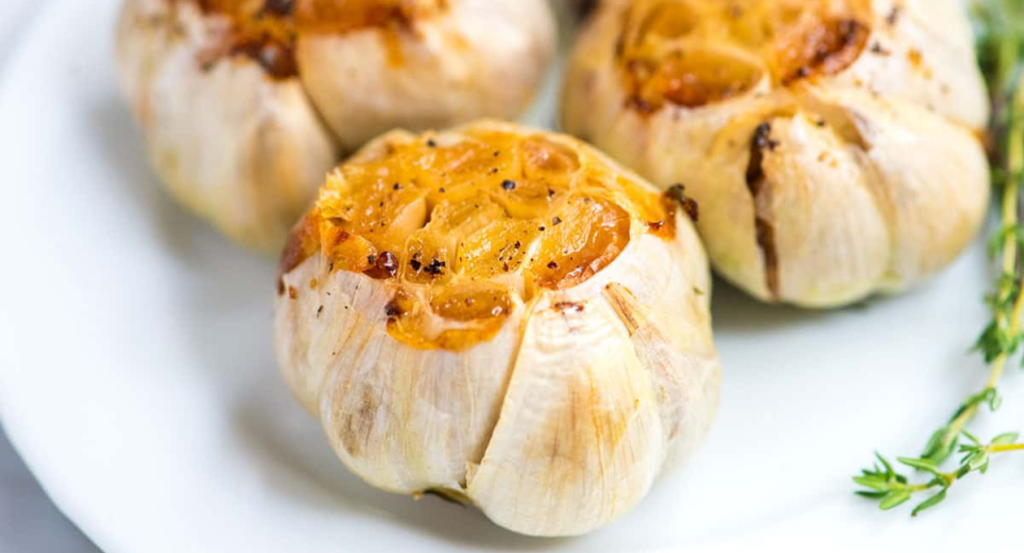
Restaurants are feeling the pain particularly hard. Italian and Thai restaurants, which use garlic heavily, have been forced to either raise menu prices or quietly reduce the amount of garlic in dishes. Some chefs have started using garlic oil or roasted garlic pastes more strategically to stretch their supplies.
Why Demand Keeps Growing
Ironically, demand for garlic has never been higher. The ingredient’s reputation as an immune-boosting, heart-healthy, and flavorful staple exploded after the pandemic. Social media platforms continue to push garlic-heavy recipes — from garlic butter shrimp to Turkish garlic yogurt — further increasing pressure on already strained supplies.
Food manufacturers using garlic powder, granules, and extract in everything from snacks to frozen meals are also competing for the same limited raw material, driving prices even higher.
How to Cook Without Garlic (And Still Eat Well)
While there is no perfect substitute for garlic, several ingredients can help you maintain flavor when supplies run low:
- Asafoetida (Hing): The secret weapon of Indian cooking. A tiny pinch provides a deeply savory, allium-like aroma that many people actually prefer to fresh garlic once they get used to it.
- Shallots and Scallions: Shallots offer a more delicate, complex flavor. The white parts of scallions can mimic the sharpness of garlic when finely minced.
- Garlic-Infused Oil: While fresh garlic is scarce, some producers are making garlic-infused oils that allow you to get the flavor without using actual cloves. Just be careful of botulism risks with homemade versions.
- Black Garlic: If you can find it, black garlic (fermented garlic) has a completely different sweet, balsamic profile but still delivers that umami depth.
- Onion Powder + Extra Herbs: Combining onion powder with parsley, oregano, or chili flakes can help compensate for missing pungency.
Many home cooks are also discovering that reducing garlic slightly and increasing acid (lemon, vinegar) or heat (chili) can create surprisingly balanced dishes.
Should You Grow Your Own?
With prices this high, growing your own garlic has never made more financial sense. Fall is the traditional planting time in most climates. Garlic is relatively easy to grow and one of the few crops that can be stored for 6–10 months after harvest.
If you have even a small garden bed or large containers, planting garlic now could give you a significant harvest next summer. Hardneck varieties tend to be more flavorful but less productive, while softneck varieties store better and are generally easier for beginners.
The Outlook for 2026
Early reports suggest that Chinese farmers are responding to high prices by planting significantly more garlic for the 2025–2026 season. However, it typically takes 8–9 months from planting to harvest, meaning relief won’t arrive until mid-to-late 2026 at the earliest.
Climate change is also making garlic production increasingly volatile. Extreme weather events that once happened every 10–15 years now seem to strike every few seasons.
Final Thoughts
The 2025 garlic shortage is more than just an inconvenience — it’s a wake-up call about how dependent global food systems have become on a handful of regions and crops. While we wait for new harvests, it’s a good time to get creative in the kitchen, experiment with new flavors, and perhaps appreciate one of our most taken-for-granted ingredients.
In the meantime, if you find reasonably priced garlic at your local store, buy an extra bulb or two. Your future self (and your taste buds) will thank you.
Faqs
Q1: Why is there a garlic shortage right now?
The current garlic shortage is mainly caused by poor weather conditions in China, which produces over 80% of the world’s garlic. Heavy rains, extreme cold, and drought damaged crops. Additionally, many farmers switched to more profitable crops like corn and soybeans. Spain, Mexico, California, and Argentina also faced lower yields due to climate and economic issues.
Q2: How long will the garlic shortage last?
Most experts predict the shortage will continue through 2025 and likely ease in the second half of 2026. New crops planted in China in response to high prices won’t be ready until mid-to-late 2026. Climate change is expected to make these shortages more frequent in the future.
Q3: How much has garlic price increased?
Retail prices have surged between 180% and 350% in many countries. Garlic that cost $3 per pound in 2023 is now commonly selling for $9 to $13 per pound. Premium and organic varieties have seen even steeper increases.
Q4: What is the best substitute for fresh garlic?
The top substitutes are asafoetida (hing), shallots, garlic-infused oil, and the white parts of scallions. Asafoetida is especially effective as it gives a similar savory, pungent flavor. Black garlic and roasted garlic paste can also help maintain umami depth in recipes.
Q5: Will garlic powder and minced garlic be affected too?
Yes. Because they are made from the same raw bulbs, garlic powder, granules, and jarred minced garlic have also risen sharply in price and are sometimes out of stock. Many manufacturers are struggling to maintain supply.
Read This: