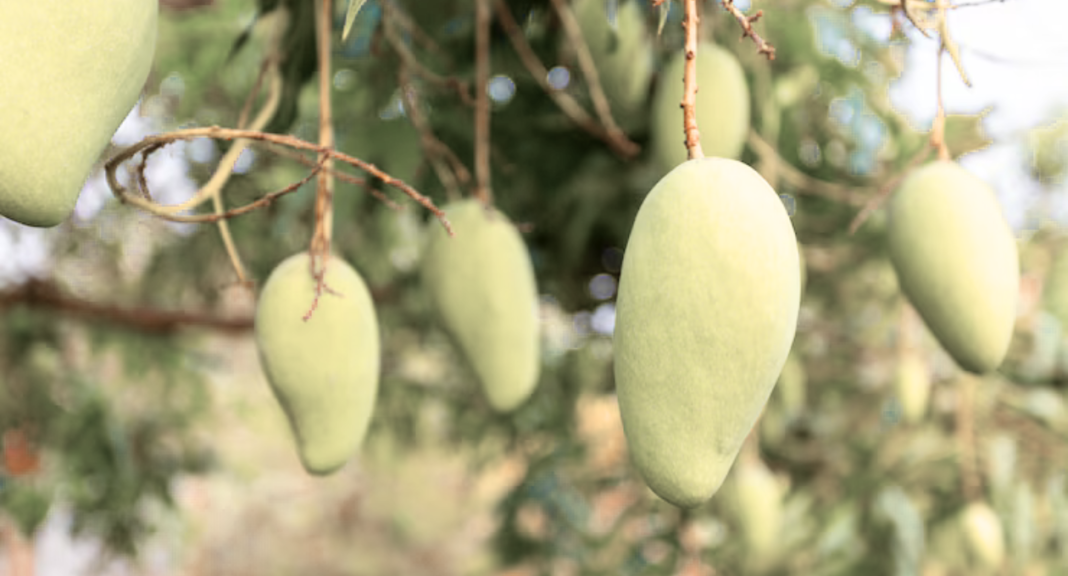

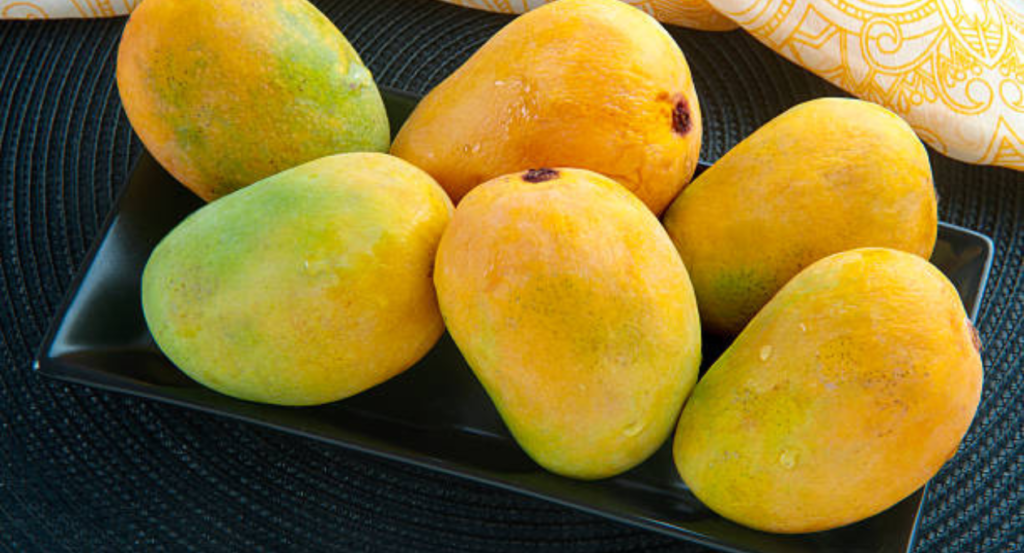
If you’ve walked into a supermarket recently and felt personally attacked by the price of mangoes, you’re not imagining it. What used to be one of the most affordable, luxurious tropical fruits has suddenly become a premium item. In some markets, prices have jumped 60–120% compared to last year.mango shortage In others, popular varieties like Alphonso, Dasheri, and even the common Tommy Atkins and Kent are simply nowhere to be found.
We are in the middle of a global mango shortage.
Why Is There a Mango Shortage?
The crisis is a perfect storm of climate change, supply chain issues, and surging global demand.
India, which produces roughly 40% of the world’s mangoes, has been hit hardest. Severe heatwaves followed by unseasonal rains and cyclones in key growing regions (Maharashtra, Karnataka, and Andhra Pradesh) have devastated orchards. The famous Alphonso mango crop was particularly damaged. Many farmers reported losses of 40–70% in certain districts.
Mexico, the largest exporter to the United States, has also faced challenges. Drought conditions in key states, coupled with the lingering effects of the 2023–24 El Niño weather pattern, reduced yields significantly. Similar stories are emerging from Brazil, Peru, and even Thailand.
Adding to the pressure is the explosive growth in international demand. As middle-class populations grow in the Middle East, Europe, and North America, more people are developing a taste for high-quality mangoes. Social media (especially TikTok and Instagram Reels) has turned mangoes into a status symbol — mango sticky rice, mango chili snacks, luxury mango desserts, and “mango boxes” from Japan and Korea have all increased pressure on limited supply.
The Economic Impact
The price surge is dramatic:
- In the UK, Alphonso mangoes that once sold for £2–3 each are now going for £6–9 when available.
- In the United States, wholesale prices for Mexican Kent mangoes have nearly doubled in some markets.
- Indian domestic markets have seen local varieties double or triple in price, making even regular consumption difficult for middle-class families.
Farmers are in a strange position. While some are benefiting from higher prices, many smaller growers have lost entire seasons and are struggling with debt. Mango trees are also notoriously temperamental — it often takes 3–5 years for a new orchard to become productive, meaning the recovery will not be quick.
Is This Just Temporary or the New Normal?
This is the uncomfortable question everyone in the industry is asking.
Many agricultural experts believe we are seeing the beginning of a long-term trend rather than a one-year anomaly. Mango trees are highly sensitive to temperature spikes, especially during flowering season. Just a few days above 40°C (104°F) can cause flowers to drop and drastically reduce fruit set.
Climate models predict that major mango-producing regions will face more frequent extreme weather events. If this pattern continues, consistent mango shortages could become a regular summer reality.
What Can Be Done?
There are some hopeful developments:
- New Climate-Resistant Varieties: Research institutions in India (like ICAR) and Mexico are accelerating development of heat-tolerant and disease-resistant mango varieties.
- Modern Farming Techniques: Drip irrigation, protected cultivation, and better orchard management can significantly improve resilience.
- Diversification: Countries like Vietnam, Australia, and even parts of Africa are increasing mango production to fill the gap.
- Technology: Some companies are experimenting with precision agriculture, AI-based weather prediction for farmers, and better post-harvest storage to reduce waste.
Consumers can also play a role by choosing sustainably grown mangoes, supporting fair trade practices, and being willing to try different varieties instead of only demanding the most famous ones.
Final Thoughts
The mango shortage is more than just an inconvenience — it’s a warning.
This much-loved fruit is becoming a symbol of how climate change is starting to directly affect the foods we love most. The days of cheap, abundant mangoes might be ending, at least for a while.
So this season, if you manage to get your hands on good mangoes, savor them. Cut them slowly. Appreciate their golden flesh like the luxury item they’ve suddenly become.
Because the era of taking mangoes for granted might officially be over.
faqs
Q1: Why are mangoes so expensive right now?
The main reasons are severely reduced harvests in India and Mexico due to extreme heatwaves, drought, unseasonal rains, and cyclones. Supply has dropped sharply while global demand continues to rise.
Q2: How long will this mango shortage last?
The shortage is expected to continue through 2025 and possibly into 2026. Mango trees take 3–5 years to fully recover after major stress, so prices are unlikely to return to previous levels quickly.
Q3: Which mango varieties are most affected?
Premium Indian varieties like Alphonso (Hapus), Kesar, and Dasheri have been hit the hardest. In the US and Europe, Ataulfo, Kent, and Tommy Atkins from Mexico are also significantly more expensive and less available.
Q4: Is climate change the real cause of the mango shortage?
Yes, it is the biggest long-term factor. Mango trees are extremely sensitive to high temperatures during flowering. Scientists warn that more frequent heatwaves and erratic weather patterns will make consistent mango production increasingly difficult.
Q5: Are there good alternatives to fresh mangoes?
Absolutely. Frozen mango chunks are usually much cheaper and work well for smoothies, desserts, and salsa. You can also use mango puree, dried mango, or switch to papaya, pineapple, or peaches when fresh mangoes are too expensive.
Read This: