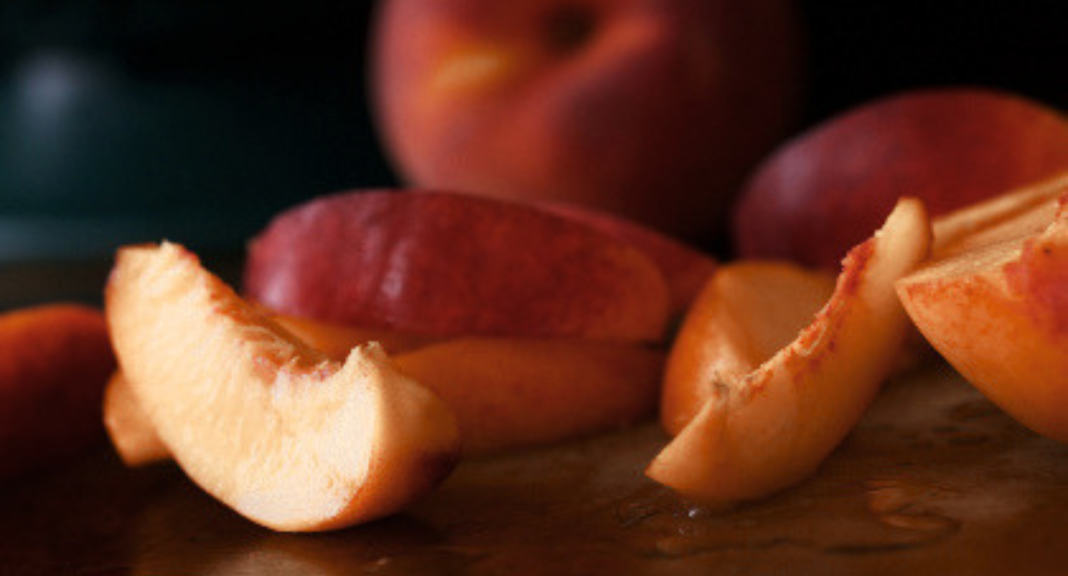

The unmistakable scent of ripe peaches is fading from American grocery stores this summer. What was once a staple of backyard barbecues, Sunday cobblers, and lazy afternoon snacks has become surprisingly difficult to find — and painfully expensive when you do locate it. The 2024 peach shortage is real, widespread, and hitting consumers harder than most expected.
Across the United States, particularly in the Southeast and California, peach production has taken a severe hit. Georgia, famously known as the “Peach State,” has seen its crop reduced by nearly 40% in some regions. South Carolina, the nation’s largest peach producer, is also reporting significant losses. California, which dominates processing peaches used for canned goods and juices, is struggling as well. The result? Retail prices have jumped 35–60% in many markets, with some premium varieties selling for nearly $5 per pound.
What Caused This Year’s Peach Shortage?
The crisis is not the result of a single factor, but a perfect storm of climate challenges and structural problems.
First and foremost, erratic weather has devastated orchards. A late spring freeze across the Southeast destroyed delicate peach blossoms just as they were beginning to bloom. Many farmers watched entire orchards turn brown overnight. In other regions, excessive rainfall created perfect conditions for brown rot and other fungal diseases that ruin fruit before it can be harvested.
California’s situation is different but equally concerning. Persistent drought conditions, followed by sudden atmospheric river events, have stressed trees and reduced yields. Many growers are also dealing with severe water restrictions, forcing them to make difficult decisions about which sections of orchards to save and which to let go.
Labor shortages have compounded the problem. Harvesting peaches is delicate, back-breaking work that must be done by hand. With fewer workers available due to changing immigration patterns and competition from other agricultural sectors, many ripe peaches have simply fallen and rotted on the ground.
Adding to these pressures is the long-term impact of climate change. Peach trees require a specific number of “chill hours” (periods of cold weather) during winter to produce properly. Warmer winters in traditional growing regions have disrupted this cycle, resulting in weaker trees and inconsistent crops. Scientists warn that many current peach-growing regions may become unsuitable for the fruit within the next 30–50 years.
The Ripple Effect on Consumers and Businesses
The shortage has moved far beyond inconvenience. Small bakeries that rely on fresh peaches for seasonal pies and tarts have been forced to either raise prices dramatically or remove items from their menus. Restaurants specializing in Southern cuisine are substituting with frozen or imported fruit, often compromising quality.
For home cooks, the situation is equally frustrating. A simple peach cobbler that used to cost $8–10 to make now runs closer to $18–22. Many families are simply giving up on the idea of fresh peaches this year.
Farmers markets tell an interesting story. Those lucky enough to secure peaches are selling them at premium prices, while others have stopped offering them entirely. Some vendors report selling out within the first hour of opening.
The processed peach industry is also feeling the pain. Canned peaches, peach preserves, and peach nectar — pantry staples in many households — are expected to see both higher prices and reduced availability through 2025.
Is There Any Hope for Relief?
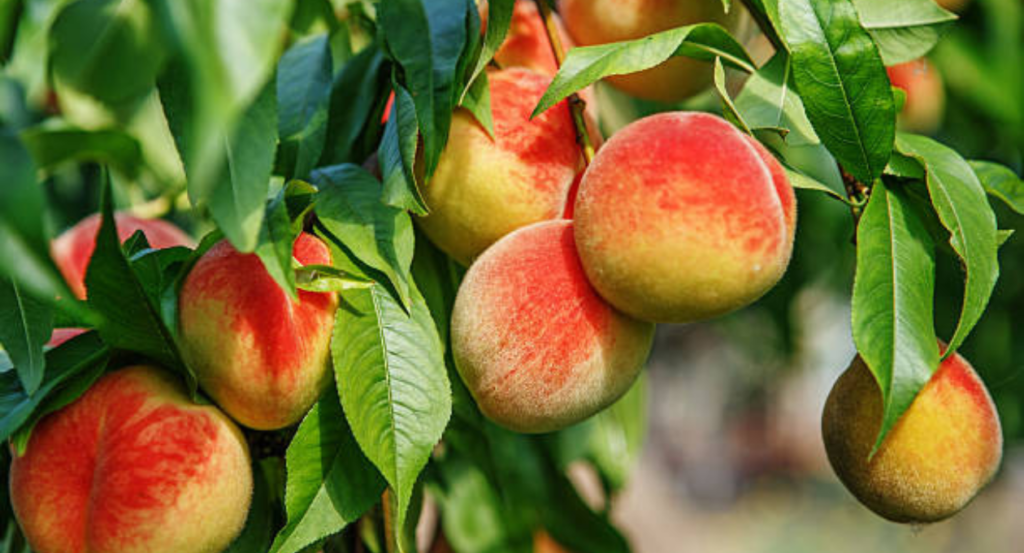
Some farmers are experimenting with new approaches. Newer peach varieties that require fewer chill hours are being planted in regions further north. Improved frost protection systems, including wind machines and sprinkler systems that create ice shields around blossoms, are helping some growers survive late freezes.
However, these solutions require significant investment that many smaller family farms cannot afford. The average peach orchard takes 3–4 years to reach full production, meaning even successful replanting efforts won’t solve the immediate crisis.
On the consumer side, there are some practical alternatives. Nectarines (which are genetically almost identical to peaches but without the fuzz) have been less affected this year and offer a similar eating experience. Apricots, plums, and mangoes can substitute in many recipes. Those who find good peaches should consider buying in bulk and freezing or canning them immediately.
The Bigger Picture
The 2024 peach shortage should serve as a warning. Stone fruits like peaches, cherries, and plums are particularly vulnerable to climate fluctuations. What we’re seeing with peaches today may become more common across many crops tomorrow.
This situation highlights the fragility of our modern food system and its dependence on stable weather patterns that are becoming increasingly unreliable. It also raises questions about food accessibility. When a simple pleasure like a fresh peach becomes a luxury item, it affects our culture and traditions in subtle but meaningful ways.
As we move through the rest of this summer, many of us will have to get creative. Whether that means perfecting a mango-peach hybrid cobbler, seeking out local u-pick farms that managed to beat the odds, or simply appreciating the fruit more when we can find it.
The peach shortage of 2024 isn’t just about fruit — it’s about how climate change is beginning to reshape even the smallest, sweetest parts of our daily lives.
Faqs
Q1: Why are peaches so expensive and hard to find this year?
The 2024 peach shortage is mainly caused by extreme weather events. A late spring freeze in the Southeast destroyed many blossoms, while excessive rain led to widespread fungal infections like brown rot. In California, drought stress and erratic rainfall further reduced yields. Labor shortages during harvest also caused millions of ripe peaches to rot before they could be picked. These factors combined have reduced the national crop significantly, driving retail prices up by 35–60% in many areas.
Q2: How long is the peach shortage expected to last?
Most experts predict the shortage will continue through the remainder of 2024 and well into 2025. Peach trees take 3–4 years to reach full production after being replanted or severely damaged. While late-season varieties and imports may offer some relief in the fall, prices are expected to remain elevated until at least the summer of 2026 in many regions.
Q3: Which states have been hit the hardest?
Georgia and South Carolina have been the most affected. South Carolina, the largest U.S. peach producer, reported major losses due to frost and disease. Georgia’s famous Elberta and other heirloom varieties were heavily damaged. California is also struggling, particularly with clingstone peaches used for canning and processing.
Q4: Are imported peaches a good alternative?
Imported peaches (mainly from Chile, Mexico, and Peru) are available but usually more expensive and have a larger carbon footprint. They often lack the intense flavor and juiciness of domestic peaches because they are picked earlier for shipping. Many shoppers report they are sweeter but less aromatic than U.S.-grown fruit.
Read This: