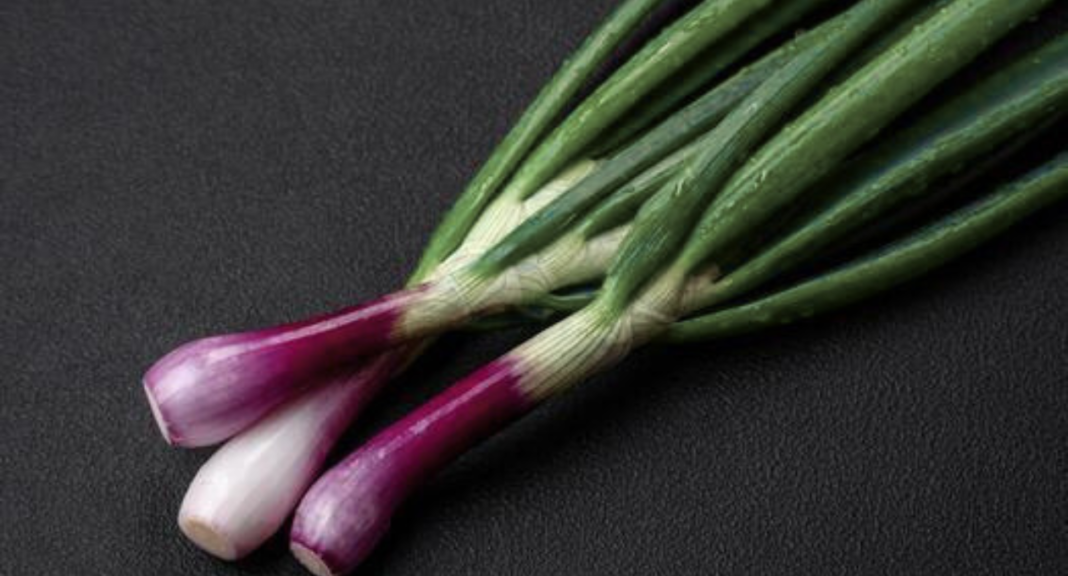

If you’ve recently gone to the grocery store and felt personally attacked by the price of Green Onion Shortage, you’re not alone. What was once a cheap, everyday ingredient has turned into a luxury item in many markets. Bundles that used to cost $0.79 are now selling for $2.99 to $4.99 — when you can even find them.
The Great Green Onion Shortage of 2024 has impacted home cooks, restaurants, and food supply chains across North America and parts of Asia. This is more than just an inconvenience. Green onions (also known as scallions) are a foundational aromatic in Mexican, Chinese, Korean, Japanese, and American cuisine. Their absence is being felt from high-end ramen shops to family taco nights.
Understanding the Scale of the Crisis
Green onion production has dropped sharply this year. According to USDA reports and industry sources, U.S. production is down approximately 28% compared to the five-year average. In Mexico — America’s largest supplier of winter green onions — heavy rains followed by prolonged drought devastated crops in key growing regions of Baja California and Sonora.
The situation in Asia is equally concerning. China, the world’s largest producer, faced extreme weather events and reduced export volumes. South Korea has experienced its own “green onion crisis” (known locally as pa crisis), with prices at one point rising over 400% in Seoul markets.
Retail prices in the U.S. have increased by an average of 185% since January 2024. Some regions are reporting temporary stockouts, forcing chefs to either raise menu prices or remove signature dishes.
Root Causes Behind the Shortage
The green onion shortage is the perfect storm of multiple converging factors:
1. Climate Volatility
Green onions are highly sensitive to temperature and water extremes. The 2023–2024 El Niño weather pattern created erratic conditions — excessive rain in some areas caused rot, while drought in others stunted growth. Climate scientists warn that crops with shallow root systems like green onions will be among the first to show increasing instability.
2. Labor Shortages
Harvesting green onions is still largely done by hand. With ongoing labor shortages in agriculture, many farms left portions of their crops unharvested because they simply didn’t have enough workers.
3. Surging Demand
Post-pandemic “cooking at home” trends never fully went away. Additionally, the explosion in popularity of Asian and Mexican cuisine has steadily increased baseline demand for green onions. When supply dropped, the imbalance became immediately visible.
4. Supply Chain Concentration
Too much of our green onion supply comes from too few geographic areas. When those areas are simultaneously hit by bad weather, the entire system buckles.
Impact on Restaurants and Home Cooks
The food service industry is hurting. Ramen restaurants, Korean BBQ spots, and Mexican taquerias — all heavy users of green onions — have been forced to make difficult decisions. Some have raised prices. Others have changed recipes. A few have temporarily removed garnishes that have been signature elements for years.
Home cooks are also feeling the pain. The vegetable that once made dishes look finished and professional is now being used more sparingly. Many home cooks have turned to creative substitutes: chives, red onions, leeks, or even cilantro stems.
The psychological effect is interesting too. When a basic, inexpensive ingredient becomes expensive, it creates a sense of economic unease. People begin to notice other rising costs they had previously ignored.
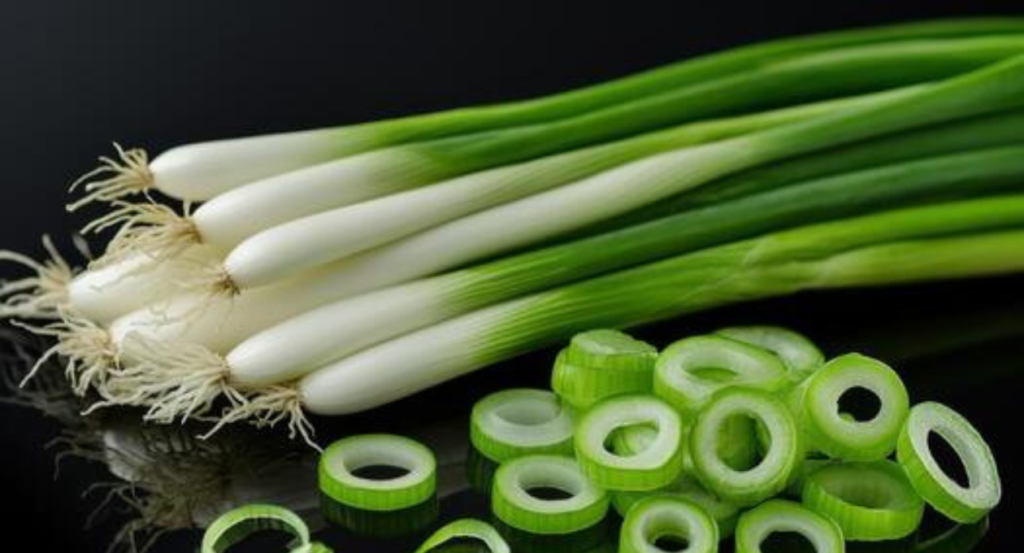
Global Ramifications and Long-term Concerns
This shortage highlights a deeper truth about our modern food system: it is incredibly efficient during stable times but dangerously fragile when stressed.
Green onions are often called the “canary in the coal mine” for vegetable supply chains because of their short growing cycle (60 days) and sensitivity to weather. When they struggle, it usually signals broader problems coming for other crops.
Some analysts predict we may see similar volatility in cilantro, lettuce, and spinach in the coming years if climate patterns continue their current trajectory.
What Can Consumers and Businesses Do?
For Home Cooks:
- Grow your own — green onions are one of the easiest vegetables to regrow from kitchen scraps in water or soil.
- Use substitutes strategically (chives for milder flavor, shallots for stronger punch).
- Buy in season and preserve when prices drop.
- Support local farmers’ markets when possible.
For Restaurants:
- Develop flexible menus that can adapt to ingredient availability.
- Build stronger relationships with multiple suppliers across different regions.
- Consider vertical farming or greenhouse partnerships for high-value aromatics.
For Industry:
The current crisis is accelerating investment in protected agriculture (greenhouses and indoor vertical farms) for green onions. Companies that can produce consistent volume regardless of weather will likely gain significant market share.
Conclusion
The green onion shortage of 2024 is more than a funny story about expensive scallions. It is a warning.
Our food system has become so optimized for cost and efficiency that it has lost much of its resilience. When a simple, fast-growing vegetable like the green onion can suddenly triple in price and disappear from shelves, it reveals how vulnerable we are to climate disruption, labor shortages, and over-concentrated supply chains.
However, there is hope. This crisis is forcing innovation. We’re seeing increased interest in regional production, season extension techniques, and even small-scale home growing. Restaurants are becoming more adaptable, and consumers are gaining a new appreciation for ingredients they once took for granted.
As we move through 2025 and beyond, the lessons from the Great Green Onion Shortage should stay with us. Cheap food is not always a right — sometimes it’s a temporary luxury built on fragile foundations. True food security will require more diverse growing regions, better support for agricultural workers, greater investment in climate-resilient farming practices, and a willingness from all of us to accept that the price of food must sometimes reflect its real environmental and human cost.
Next time you see a beautiful bunch of green onions at a reasonable price, maybe give them the respect they deserve. After this year, we should all know better than to take the humble scallion for granted.
Read This: