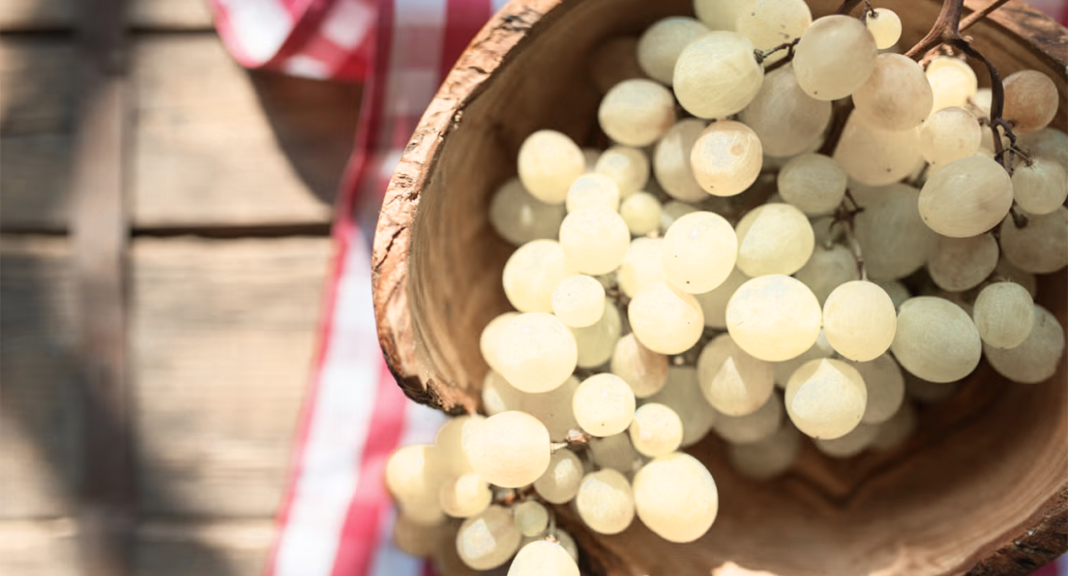

If your favorite bottle of Cabernet Sauvignon suddenly costs 40% more, or you’re struggling to find decent table grapes at the supermarket, you’re experiencing the 2026 global grape shortage. What began as regional problems in key wine-producing countries has snowballed into a worldwide crisis affecting everything from fine wine and raisins to fresh fruit snacks and grape juice.
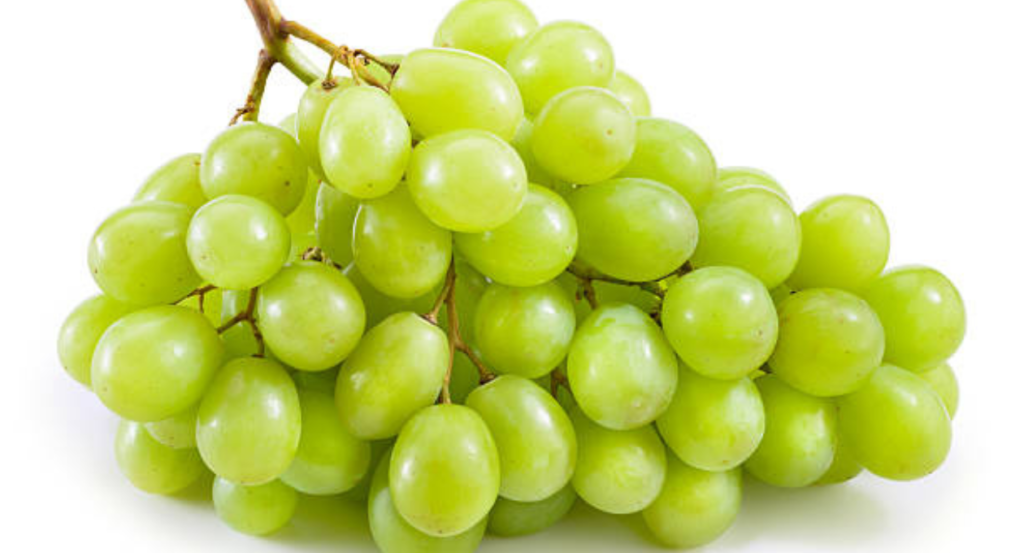
Global grape production has dropped by an estimated 19–24% compared to the five-year average. Prices for both wine grapes and table grapes have skyrocketed. In some markets, premium red wine grapes are trading at record highs, while everyday consumers are paying nearly double for seedless green and red grapes. The shortage is hitting wine lovers, home bakers, and health-conscious snackers particularly hard.
This crisis is the result of a dangerous mix of climate change, water scarcity, disease outbreaks, and surging global demand. In this article, we examine the root causes, the widespread impact across industries, practical substitutions you can use today, and what the future holds for one of the world’s most beloved fruits.
What’s Causing the Grape Shortage?
Grapes are highly sensitive to environmental conditions. The world’s largest producers — Italy, France, Spain, the United States (California), Chile, China, and Australia — have all faced simultaneous setbacks.
The dominant factor is extreme climate stress. Prolonged droughts in California’s Central Valley and parts of southern Europe have reduced vineyard yields dramatically. Record heatwaves during the 2025 growing season caused “sunburn” on grape clusters and disrupted sugar-acid balance, making many grapes unsuitable for premium wine. In Australia’s Murray-Darling Basin, historic water restrictions forced growers to leave entire blocks unharvested.
Wildfires have also played a devastating role. Smoke taint from fires in California and Chile contaminated thousands of acres of grapes, rendering them unusable for winemaking. Meanwhile, erratic rainfall patterns have increased the spread of grapevine diseases such as powdery mildew and Pierce’s Disease, spread by the glassy-winged sharpshooter insect.
Labor shortages continue to plague the industry. Harvesting grapes requires massive amounts of seasonal manual labor. Post-pandemic migration changes and rising wages have left many vineyards understaffed, resulting in unpicked fruit rotting on the vines.
On the demand side, global interest in wine tourism, natural wines, and health-focused snacks (grapes are rich in antioxidants like resveratrol) has increased pressure on limited supplies. The rise of non-alcoholic wine alternatives and grape-based functional beverages has further stretched the market.
According to preliminary data from the International Organisation of Vine and Wine (OIV), 2026 is shaping up to be one of the smallest global grape harvests in the past two decades.
Economic Impact on the Wine Industry, Farmers, and Consumers
The wine industry is feeling the strongest shock. Wineries in Bordeaux, Tuscany, Napa Valley, and Rioja have reduced production volumes or released wines earlier than planned at significantly higher prices. Some mid-range wineries have stopped producing their entry-level bottles entirely.
Table grape growers in California and Chile report mixed outcomes. Those with successful harvests are earning premium prices, but many smaller farms have been forced to exit the business. Raisin and grape juice producers are also struggling, leading to higher prices for baked goods, cereals, and children’s snacks.
Restaurants and bars have responded by shrinking wine list selections, raising glass prices, and in some cases removing certain varietals completely. Home consumers are noticing the pain at the checkout — a standard 750ml bottle of red wine that cost $12–18 two years ago now often exceeds $22–35.
Smart Alternatives and Recipe Substitutions
While the shortage persists, there are several practical ways to adapt:
For Fresh Snacking and Salads:
- Cherries, blueberries, or diced apples offer similar sweetness and juiciness.
- Cucumber or melon chunks can replace grapes in savory chicken or tuna salads.
For Wine and Beverages:
- Many wineries are blending in other fruits or experimenting with hybrid grapes. Consumers can explore wines from less-affected regions like South Africa, Argentina, or emerging areas in Canada and northern Europe.
- Non-alcoholic alternatives made from pomegranate, elderberry, or hibiscus can mimic the flavor profile of red wine.
For Cooking and Baking:
- Dried cranberries, apricots, or figs work well in place of raisins in oatmeal cookies, stuffing, and breads.
- In sauces and reductions, blackberries or plums can provide similar depth and natural sweetness.
Home winemakers are turning to kits made from grape concentrate or experimenting with other fruits such as elderberries, blackcurrants, and cherries.
What’s Being Done to Solve the Crisis?
Agricultural researchers are accelerating the development of drought-resistant, heat-tolerant, and disease-resistant grape rootstocks and varieties. California and European unions have approved faster approval pathways for new hybrid vines.
Major wine companies are investing heavily in precision irrigation, canopy management technology, and even vertical vineyard systems in controlled environments. Chile and Australia are expanding production into cooler, higher-altitude regions less affected by heat.
Governments are offering subsidies for vineyard replanting and water infrastructure improvements. Consumer campaigns are encouraging people to drink and eat more seasonally and support sustainable viticulture practices.
Conclusion
The 2026 grape shortage is more than just an inconvenience for wine enthusiasts — it is a clear warning about the fragility of global agriculture in the face of accelerating climate change. Grapes, which have been cultivated for over 6,000 years, are now showing us how quickly long-established food systems can unravel when extreme weather, pests, and rising demand collide.
While prices may remain elevated through 2027, this crisis is also driving innovation. New grape varieties, smarter farming techniques, and greater emphasis on sustainability could create a more resilient industry in the long run. In the short term, creativity in the kitchen and cellar will be essential. Consider trying new varietals, supporting local or alternative producers, and learning to appreciate grapes as the precious resource they truly are.
The purple, green, and red jewels of the vine will return — but only if the wine and grape industries, governments, and consumers work together to address the underlying environmental challenges. Until then, raise a glass (perhaps a slightly more expensive one) to the hardworking growers keeping this ancient crop alive in difficult times.
FAQs
1. How long will the grape shortage last?
Analysts expect tight supplies through 2027. New plantings and improved weather could bring gradual relief by 2028, but premium wine prices may stay elevated longer.
2. Why are wine prices rising faster than table grapes?
Wine grapes require specific quality standards and long aging processes. Reduced harvests in famous regions like Bordeaux and Napa have created scarcity in the high-end market.
3. Are all types of grapes affected equally?
No. Red wine grapes (Cabernet, Merlot, Pinot Noir) have been hit hardest. Some table grape varieties in Asia have been less affected, though global trade has still driven prices up.
4. Can I grow grapes at home?
Yes. Many table grape varieties grow well on trellises in warm, sunny locations. Varieties like ‘Concord’ or ‘Thompson Seedless’ are popular for home gardens, though they take 2–3 years to produce meaningfully.
5. Is drinking less wine the only solution?
Not at all. Supporting wineries that use sustainable and regenerative practices, buying from less-affected regions, and exploring wines made from hybrid or alternative grapes can help.
Read This: