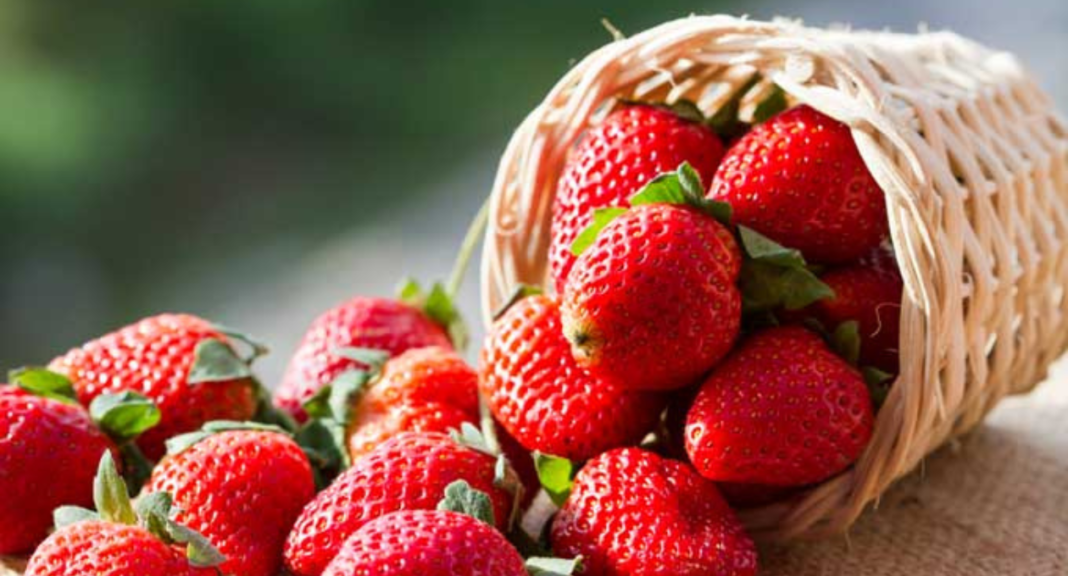

A strawberry shortage in 2026 no longer sounds surprising — it has become a serious concern for consumers, restaurants, bakeries, retailers, and farmers. If you’ve seen prices jump 50–70% higher, smaller packs on shelves, or frequent stockouts, you’re experiencing the effects of a growing global strawberry crisis.
California still produces nearly 90% of America’s strawberries, but extreme weather, aggressive fungal diseases, reduced farmland, and rising production costs have created a perfect storm. What was once a simple summer fruit is now expensive and unpredictable year-round.
This comprehensive guide explains the real causes behind the 2026 strawberry shortage, its impact on prices and businesses, and most importantly — practical survival solutions you can use right now. Whether you run a food business, manage retail inventory, or just want to save money on strawberries, this article will help you stay ahead.
What’s Driving the 2026 Strawberry Shortage Crisis?
The current strawberry shortage is not caused by one single issue. It is the result of multiple overlapping problems that have worsened since 2023. Climate change, new plant diseases, labour shortages, rising costs, and a sharp drop in global strawberry acreage have combined to reduce supply while demand continues to grow.
This crisis is now in its third year and shows no quick signs of ending. Wholesale prices have risen dramatically, forcing restaurants to change menus and consumers to pay premium rates even for basic strawberries. Understanding each factor is the first step toward building effective solutions.
How Climate Change Is Devastating Strawberry Yields
Climate change is the biggest driver of the 2026 strawberry shortage. Research from the University of Waterloo and the USDA shows that a temperature rise of just 3°F (1.7°C) can slash strawberry yields by up to 40%. Many growing regions in California experienced far higher temperature spikes in 2025 and 2026.
Record heatwaves, irregular rainfall, prolonged droughts, and sudden temperature swings have shortened the harvest window, reduced berry size, lowered sweetness, and increased spoilage. Farms in California’s Central Coast and Ventura County reported yield drops of 35–50% below their five-year average.
For businesses, this means unreliable volumes and constantly rising costs. Restaurants featuring strawberry desserts, smoothies, or salads are forced to either increase prices, reduce portions, or remove items entirely.
The Deadly Neopestalotiopsis Fungus Spreading Across Farms
A highly destructive fungal disease called Neopestalotiopsis (Neo-P) has made the crisis much worse. Since 2021, this pathogen has spread rapidly through strawberry fields in Florida, California, Ohio, and surrounding states. It attacks leaves, crowns, and fruit, causing plant collapse and making it extremely difficult to find healthy nursery plants for the next season.
In Ohio, popular Strawberry Days festivals were cancelled for the second year in a row in 2026 because local farms had almost no harvest. The fungus thrives in warm, humid weather — conditions that climate change is making more common. This creates a dangerous cycle where lower yields today lead to even fewer plants available next year.
Food businesses must regularly check with suppliers about disease management and keep backup sources ready to avoid sudden shortages.
Why Seasonal Supply Gaps Have Become Much Worse
Strawberry supply has always been seasonal, but the current crisis has turned normal winter dips into major disruptions. When California’s main crop ends, Florida and Mexico are expected to fill the gap. In 2026, heavy rains, disease pressure in Florida, and higher shipping costs from Mexico created gaps lasting 4–8 weeks.
Organic strawberries have suffered the most. Strict organic standards mean fewer farms can quickly increase production when conventional supplies fall. Businesses that depend on organic strawberries should negotiate firm delivery timelines with wholesalers and prepare alternative ingredients during known shortage periods.
Global Decline in Strawberry Farmland and Its Consequences
The problem is global. Worldwide strawberry acreage has fallen sharply — from about 3,700 hectares in 2022 to roughly 2,300 hectares in 2026. Severe hailstorms in Austria, extreme heat in Spain, water shortages in Morocco, and rising costs have forced many farmers to switch to other crops.
With less land dedicated to strawberries around the world, competition for available supply has become intense. This global reduction is one of the main reasons prices continue climbing even when some regions have decent harvests.
Skyrocketing Strawberry Prices: Real Impact on Businesses & Consumers
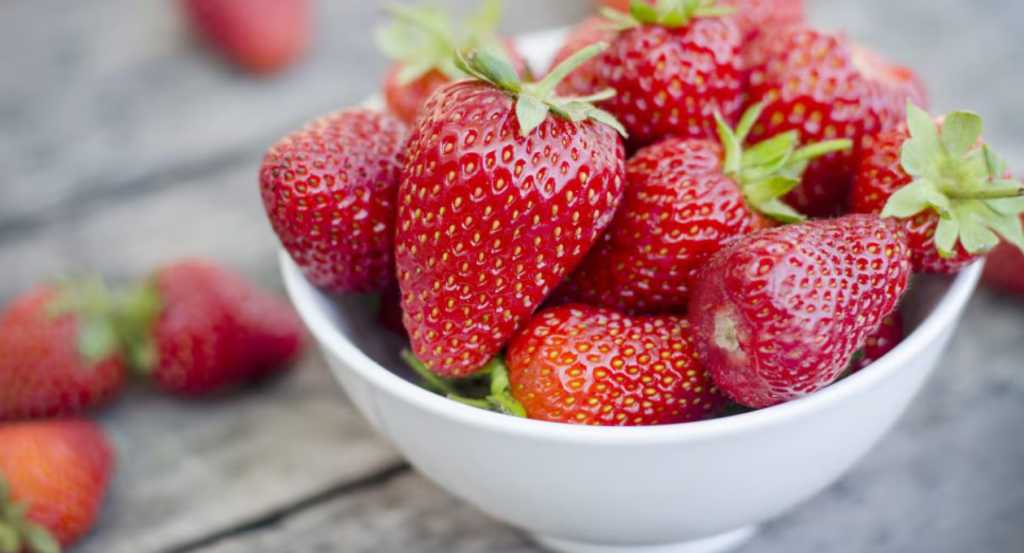
The result of all these pressures is clear: dramatically higher prices and inconsistent availability. Wholesale strawberry prices have increased 55–70% since 2024, with some organic varieties rising more than 80%. Many supermarkets have introduced purchase limits, while smaller stores frequently run out of stock.
Restaurants and bakeries are hit hardest. Strawberry shortcake, cheesecakes, smoothies, and seasonal menus have become significantly more expensive to produce. Some chains have quietly replaced fresh strawberries with frozen or freeze-dried versions to protect profit margins.
Small business owners who treat strawberry costs as a quarterly strategic review — updating forecasts, maintaining multiple suppliers, and adjusting menus proactively — are coping far better than those who don’t plan ahead.
Practical Survival Solutions and Adaptation Strategies for 2026
The farms and businesses surviving this crisis are adapting quickly. Here are actionable solutions:
- For Farmers: Switch to climate-resilient strawberry varieties, install shade nets and high tunnels, upgrade to precision drip irrigation, and adopt integrated disease management to fight Neopestalotiopsis.
- For Restaurants & Bakeries: Diversify menus with blueberries, raspberries, mango, or cherries during shortage periods. Offer “limited harvest” premium strawberry items at higher prices. Use frozen strawberries for smoothies and baked goods.
- For Retailers: Build relationships with suppliers in multiple countries, maintain safety stock when prices are reasonable, and communicate transparently with customers about temporary price changes.
- For Consumers: Grow strawberries at home in containers or raised beds. Buy in bulk when prices drop and freeze them. Look for local or UK-grown strawberries when available.
Early adapters who invest in flexible sourcing and menu planning are turning this crisis into a competitive advantage.
Regional Variations: Which Countries Are Winning and Losing
The strawberry shortage is not uniform. Scotland and parts of the United Kingdom enjoyed strong harvests in 2025–2026 due to cooler, stable weather and actually increased exports. Some UK growers benefited while California, Spain, Italy, and parts of Central America struggled with repeated setbacks.
Mexico remains important for North American winter supply but faces rising labour and fuel costs. Businesses with flexible international sourcing strategies that can switch between regions depending on the season have maintained much better supply and pricing stability.
Conclusion
The 2026 strawberry shortage crisis is the result of long-term pressures — climate change, destructive fungal diseases, shrinking global farmland, and worsening seasonal gaps. Prices have skyrocketed, supply has become unreliable, and the entire food chain is feeling the impact.
This is not a temporary problem. Most experts believe strawberry supply will remain volatile for years. The businesses and individuals who succeed will be those who treat this as a permanent shift in the market rather than a short-term inconvenience.
Start adapting now: review your suppliers, diversify your sources and menus, explore home growing or local partnerships, and stay informed about weather and disease trends. Those who plan ahead and act decisively will survive — and even thrive — while others continue struggling with rising costs and empty shelves.
The strawberry shortage of 2026 is a wake-up call for the entire food industry. The question is: will you be ready?
FAQs
How long will the 2026 strawberry shortage last?
The severe shortage and high prices are expected to continue through 2027, with only partial improvement likely in 2028 if new greenhouse projects and resilient varieties expand successfully.
Why are strawberry prices so high in 2026?
Multiple factors including climate change (up to 40% yield loss), the spread of Neopestalotiopsis fungus, a 38% global drop in planted acreage, and rising labour and energy costs have driven prices up 55–70%.
Are organic strawberries more affected than regular ones?
Yes. Organic strawberries face stricter rules and fewer backup supply options, leading to larger price increases and longer shortages.
What can restaurants and bakeries do to survive?
Diversify menus with other fruits, use frozen strawberries where possible, offer premium limited-edition strawberry items, and work with multiple suppliers across different regions.
Is growing strawberries at home worth it in 2026?
Yes. Container and raised-bed growing is highly effective and can provide a steady personal supply at a much lower cost than current retail prices.
Read This: