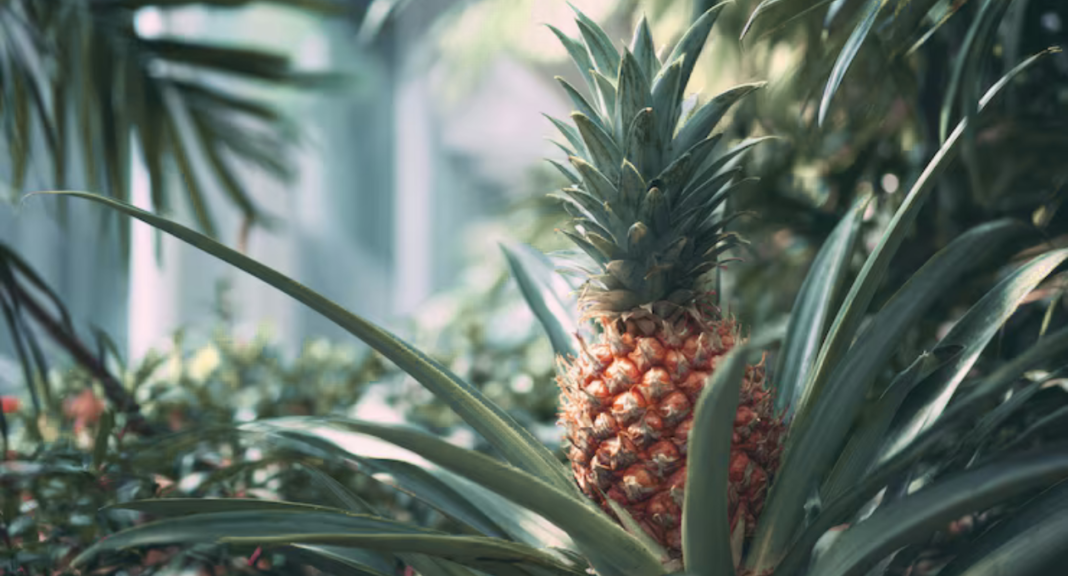

Whether you love them blended into a frosty piña colada, grilled alongside a summer barbecue, or controversially baked atop a slice of ham and cheese pizza, pineapples are a staple of the global diet.Pineapple Shortage With their perfect balance of sweet and tart, they bring a taste of the tropics to our kitchens year-round.
But recently, you might have noticed a shift at your local grocery store. Perhaps the pineapple display is looking a little sparse, the fruits themselves are smaller, or the price tag has made you do a double-take. You aren’t imagining things. The global agricultural market is currently grappling with a severe pineapple shortage.
How did this ubiquitous tropical fruit become so scarce? The answer is a complex cocktail of extreme weather, supply chain disruptions, and shifting economic realities. Here is everything you need to know about the current pineapple shortage.
The Root of the Problem: Climate Change and El Niño
To understand the shortage, we first have to look at where pineapples come from. While they are grown in various tropical regions globally, countries like Costa Rica, the Philippines, and Brazil dominate the export market. Costa Rica alone supplies the vast majority of pineapples consumed in the United States and Europe.
Pineapples are notoriously fussy when it comes to their growing environment. They require a delicate balance of sunshine and rain. Enter El Niño, the climate pattern that disrupts normal weather conditions worldwide. Over the past year, El Niño has brought severe droughts and unusually high temperatures to Central and South America.
Without adequate rainfall, pineapple plants suffer. The lack of water stunts the growth of the fruit, leading to smaller yields and smaller individual pineapples. Furthermore, erratic weather patterns confuse the natural flowering cycle of the plant. When plants don’t flower on time, the entire harvesting schedule is thrown into chaos, leaving massive gaps in the supply chain.
Supply Chain Snarls and Rising Agricultural Costs
While Mother Nature has dealt a heavy blow to pineapple yields, human factors are exacerbating the crisis. The agricultural industry is still reeling from the aftershocks of global supply chain disruptions.
Growing pineapples on a commercial scale requires significant amounts of fertilizer. Geopolitical conflicts, particularly the war in Ukraine, have caused global fertilizer prices to skyrocket. For many farmers, especially smaller, independent growers, these rising costs are simply unsustainable. As a result, some have had to scale back production, use less fertilizer (which further reduces fruit size and yield), or switch to more profitable, less resource-intensive crops.
Additionally, pineapples are heavy, bulky, and highly perishable. The cost of fuel required to transport them from the fields of Costa Rica to supermarkets in New York or London has surged. When you combine low crop yields with high production and transportation costs, a shortage is the inevitable result.
The Impact on Your Wallet and Plate
So, what does this mean for the average consumer? First and foremost, you can expect to pay more. As the basic economic principle of supply and demand dictates, when there are fewer pineapples to go around, the price of the available fruit goes up.
You may also experience “shrinkflation” in the produce aisle. You might be paying the same price you did a year ago, but the pineapple you are taking home is noticeably smaller.
The shortage is also rippling through the food service industry. Restaurants and juice bars that rely heavily on fresh pineapple are being forced to adapt. Some are passing the rising costs onto the customer by raising menu prices, while others are quietly swapping out fresh pineapple for frozen or canned alternatives—or removing pineapple-heavy items from their menus entirely.
The Danger of Monoculture
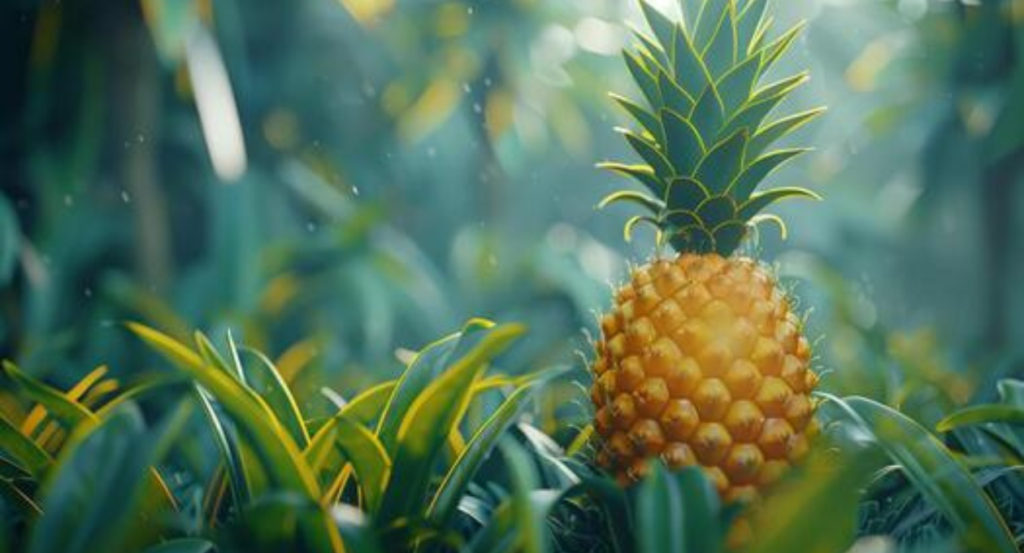
The current shortage also highlights a broader vulnerability in our global food system: our reliance on monoculture. If you buy a pineapple in a standard supermarket, there is a 99% chance you are buying an MD-2 variety (often marketed as “Gold” pineapples).
The agricultural industry loves the MD-2 because it is uniformly sweet, yellow, and holds up well during shipping. However, relying on a single genetic variety means that if a specific disease, pest, or weather pattern hits that variety hard, the entire global supply is compromised.
What Can Pineapple Lovers Do?
While we can’t control the weather or global supply chains, there are a few ways consumers can navigate the pineapple shortage:
- Embrace Canned and Frozen: If fresh pineapples are too expensive or unavailable, look to the freezer or canned goods aisles. These fruits are typically harvested and processed at the peak of the season, meaning they retain their nutritional value and flavor. Just be sure to buy canned pineapple in 100% juice, rather than sugary syrup.
- Reduce Waste: If you do splurge on a fresh pineapple, make sure you use all of it. The core can be chopped and boiled with sugar to make a delicious pineapple syrup for cocktails or iced tea. If you can’t eat the whole fruit before it goes bad, chop it up and freeze it for future smoothies.
- Explore Local Alternatives: Use this shortage as an opportunity to explore seasonal, locally grown fruits. Depending on where you live and the time of year, peaches, melons, or apples can offer the sweetness and acidity you crave without the massive carbon footprint.
Looking Ahead
Agricultural experts suggest that the pineapple shortage could last for several more months, as it takes an average of 14 to 18 months for a pineapple plant to produce a single fruit. While the industry will eventually recover, this shortage serves as a potent reminder of how fragile our global food supply can be. Until the tropical rains return and the markets stabilize, we might just have to savor every slice of pineapple
faqs
1. Why is there a pineapple shortage right now?
The current shortage is caused by a “perfect storm” of environmental and economic factors. Climate change and the El Niño weather pattern have caused severe droughts in major pineapple-producing regions. Additionally, geopolitical conflicts have led to skyrocketing prices for fertilizer and fuel, making it more expensive for farmers to grow and transport the fruit.
2. How long will the pineapple shortage last?
Agricultural experts expect the shortage to last for several more months. Pineapples are slow-growing plants; it takes an average of 14 to 18 months for a single plant to produce just one fruit. Because of this long growing cycle, it takes time for farmers to recover from poor harvests and disrupted planting schedules.
3. Why are the pineapples at the grocery store so much smaller than usual?
This is due to a lack of rain and a decrease in fertilizer use. The El Niño weather pattern brought severe drought to Central and South America, and without adequate water, the fruit’s growth is stunted. Furthermore, because fertilizer has become so expensive, some farmers have had to use less of it, which also results in smaller crop yields and smaller individual fruits.
4. Where do most of our pineapples come from?
While pineapples are grown in tropical regions all over the world, Costa Rica is the dominant player in the export market. If you live in the United States or Europe, the vast majority of the fresh pineapples in your local grocery store were grown in Costa Rica. Other major global producers include the Philippines and Brazil.
5. Are canned and frozen pineapples affected by the shortage?
While you might see a slight price increase in canned and frozen pineapples, they are much easier to find right now than fresh ones. These products are typically harvested and processed during the peak of the season and stored, making their supply a bit more stable. They are an excellent, cost-effective alternative while fresh pineapples are scarce.
Read This: