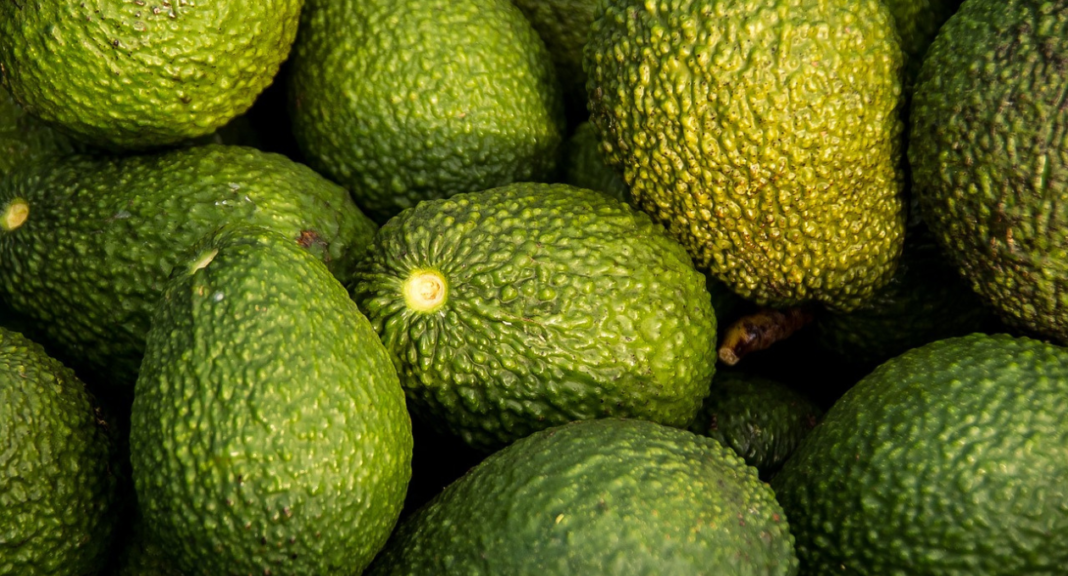

Avocados have gone from trendy brunch staple to luxury item almost overnight. Once reliably under $1.50 each, many grocery stores are now charging $2.99 to $4.49 per avocado — when they’re even in stock. The Great Avocado Shortage of 2025 is hitting households, restaurants, and food manufacturers across North America, Europe, and parts of Asia.
What was once a consistent year-round fruit has become unpredictable. This shortage is more serious than previous price spikes because it stems from deep structural problems rather than temporary weather events. From Super Bowl guacamole to avocado toast, the ripple effects are being felt everywhere.
Understanding the Scale of the Crisis
Mexico supplies roughly 80–85% of all avocados eaten in the United States. In 2025, Mexican production is down nearly 32% in key regions, according to data from the Hass Avocado Board and Mexican agricultural authorities. California, the largest U.S. producer, has also seen yields drop due to persistent drought and water restrictions.
Retail prices in the U.S. have surged by an average of 170% since January 2025. Some markets report sporadic empty shelves, while import costs from Peru and Chile have risen sharply as buyers scramble for alternatives. Restaurants are reporting avocado costs up 200–250% in some cases, forcing many to either increase menu prices or remove avocado-based items.
Root Causes Behind the Avocado Shortage
The current shortage is the result of several overlapping pressures:
1. Severe Climate Stress
Avocado trees require enormous amounts of water — roughly 70 gallons per pound of fruit. Prolonged drought in Michoacán and Jalisco, combined with record-high temperatures, has reduced fruit size and caused widespread tree stress. Erratic rainfall patterns linked to climate change have made consistent production extremely difficult.
2. Water Scarcity and Environmental Pushback
Local communities in Mexico have increasingly protested avocado farming due to illegal water diversion and deforestation. Government crackdowns on unauthorized orchards have removed thousands of acres from production.
3. Cartel Influence and Security Issues
In several growing regions, drug cartels control parts of the avocado trade. Extortion, violence, and road blockades have disrupted harvesting and transportation, further reducing supply reaching export facilities.
4. Explosive Global Demand
Demand continues to grow rapidly. The United States, Canada, Europe, and China are all consuming more avocados than ever. This surge in popularity, especially for healthy eating and plant-based diets, has outpaced the industry’s ability to scale sustainably.
5. Labor and Harvesting Challenges
Avocados must be hand-picked at exactly the right time. Ongoing labor shortages in both Mexico and California have left significant portions of crops unharvested.
Impact on Restaurants, Food Service, and Home Cooks
Mexican restaurants, sushi bars, smoothie shops, and cafés are being hit hardest. Many establishments have removed signature dishes such as avocado toast, guacamole, and poke bowls, or replaced fresh avocado with frozen pulp or smaller portions. Some chains have increased prices by $3–$6 per dish.
Home cooks are also adapting. Avocado has become an occasional treat rather than a daily staple. Many are turning to substitutes like mashed peas, hummus, Greek yogurt, or edamame spreads for texture and color in recipes.
The psychological impact is notable. Avocados became a symbol of millennial wellness culture. Their sudden scarcity feels like another sign that simple pleasures are becoming less affordable.
Global Ramifications and Long-term Concerns
This shortage highlights the fragility of our global food supply. Because avocado production is heavily concentrated in a small geographic area with specific climate needs, the entire industry is vulnerable to disruption.
Experts warn that water-intensive crops like avocados may face increasing volatility. Some analysts predict that by 2030, traditional growing regions could see yields decline by up to 40% without major changes in farming practices. This crisis is accelerating research into drought-resistant avocado varieties, indoor vertical farming, and expanded production in countries such as Kenya, Colombia, and Australia.
What Can Consumers and Businesses Do?
For Consumers:
- Buy in season when prices drop (typically late spring through early fall from California).
- Choose frozen avocado or avocado pulp when fresh prices are too high.
- Grow your own dwarf avocado tree if you live in a suitable climate.
- Use substitutes creatively: mashed chickpeas, zucchini hummus, or tahini spreads work well in many recipes.
- Reduce waste — use overripe avocados for smoothies, dressings, or baked goods.
For Restaurants and Businesses:
- Develop flexible menus that can swap ingredients based on cost and availability.
- Build relationships with multiple suppliers across different countries.
- Consider long-term contracts with greenhouse or controlled-environment growers.
- Educate customers about seasonal availability and sustainable choices.
Industry Response:
Major players are investing heavily in new orchards in more climate-stable regions and in precision agriculture technologies to reduce water usage. However, meaningful relief is still years away.
Conclusion
The 2025 avocado shortage is not just another temporary price spike — it is a clear warning about the future of our food system. A single fruit that millions of people took for granted has revealed how vulnerable we are to climate change, water scarcity, geopolitical tensions, and unchecked demand growth.
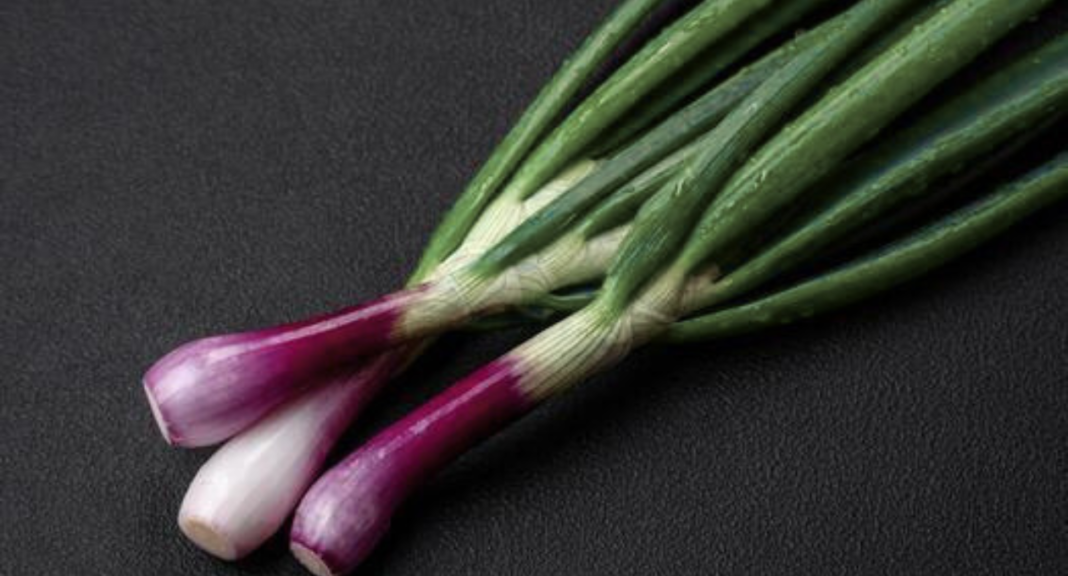
While green onions taught us about the fragility of fast-growing vegetables, avocados show the risk of relying on water-hungry, slow-maturing crops grown in concentrated regions. The humble avocado has become an unexpected symbol of larger environmental and economic challenges.
There is reason for cautious optimism. This crisis is driving innovation in sustainable farming, new varietals, and diversified global supply chains. But the era of cheap, always-available avocados may be ending. Moving forward, consumers will likely need to accept higher baseline prices, eat more seasonally, and support farming practices that respect water limits and local communities.
The next time you spread avocado on toast or scoop fresh guacamole, remember that it represents far more than a healthy fat. It reflects the delicate balance between our appetites and the planet’s capacity to deliver. This shortage should encourage all of us to think more critically about where our food comes from and what we are truly willing to pay — both in dollars and in environmental cost.
Faqs
Q1: Why are avocados so expensive in 2025?
The shortage is driven by a perfect storm: severe drought and extreme heat in Mexico’s main avocado regions (Michoacán and Jalisco), water scarcity protests, cartel-related disruptions, and surging global demand. Mexico supplies over 80% of U.S. avocados, so any major disruption there causes immediate price spikes. Retail prices have risen roughly 170% since January 2025.
Q2: How long is the avocado shortage expected to last?
Most analysts predict tight supplies and high prices will continue through the end of 2025 and well into 2026. New orchards take 3–5 years to produce meaningfully, so meaningful relief is expected to be slow. Seasonal improvements may occur during California’s peak harvest (April–July), but prices are unlikely to return to pre-2025 levels anytime soon.
Q3: What is the difference between Hass avocados and other types?
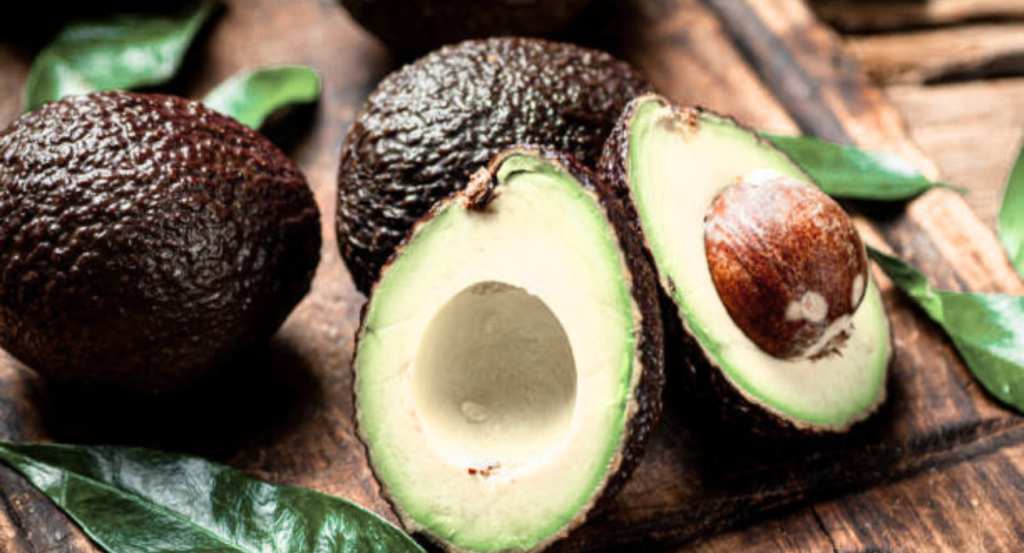
Hass is the most popular variety due to its creamy texture, longer shelf life, and rich flavor. Other varieties (such as Fuerte, Bacon, or Reed) are less common in stores. The current shortage mainly affects Hass avocados, which make up the vast majority of imports.
Q4: What can I substitute for avocado?
Effective substitutes include:
- Mashed green peas or edamame (for color and texture)
- Hummus or tahini-based spreads
- Greek yogurt or whipped cottage cheese (for creaminess)
- Mashed banana or pumpkin in sweet recipes
- Zucchini hummus or roasted cauliflower puree
Many restaurants now use frozen avocado pulp as a cost-saving alternative.
Read This: