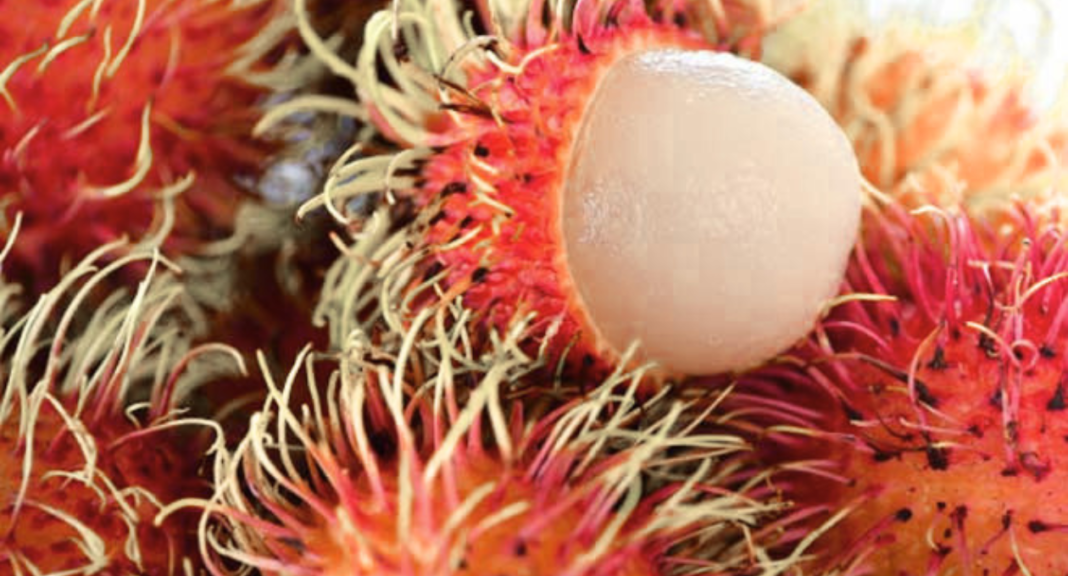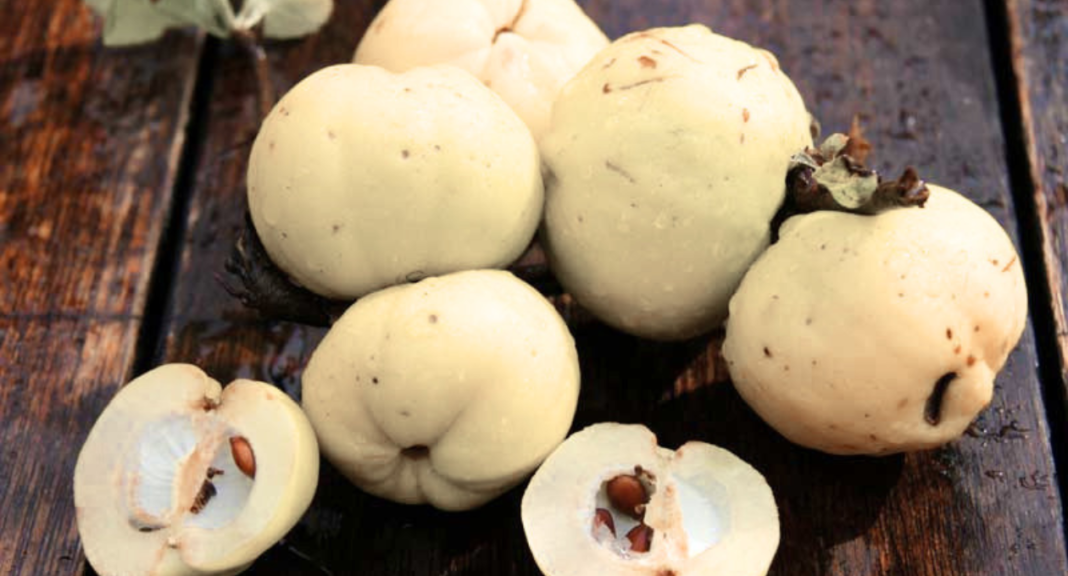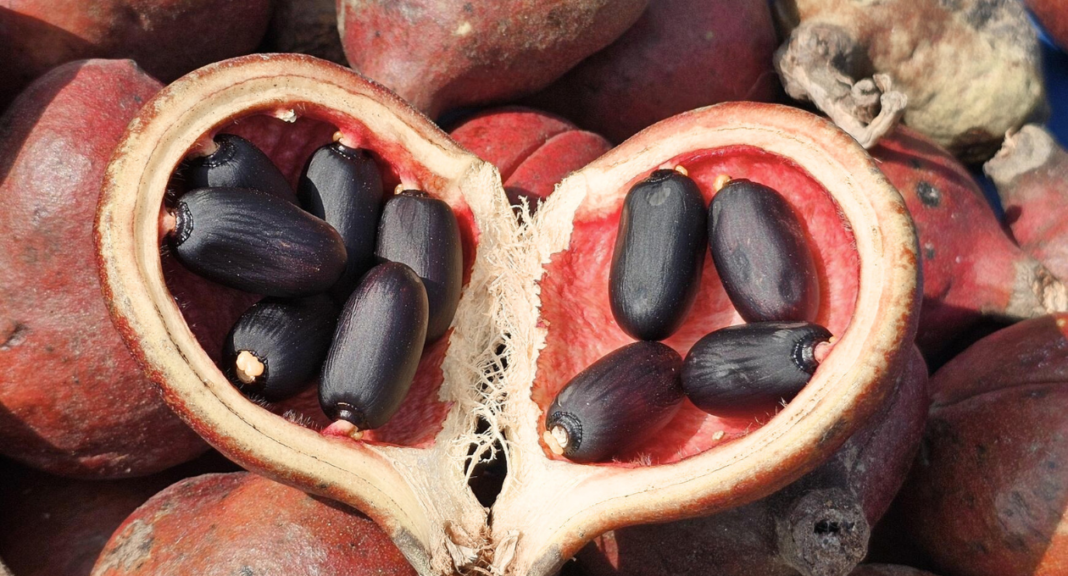

From vibrant reds and lush greens to electric purples, few things in the fruit world create such dramatic visual appeal as jet-black seeds nestled against colorful flesh. These striking Fruits With Black Seeds are not only beautiful but often pack surprising nutritional value. Whether you’re a food photographer, a health enthusiast, or simply a curious fruit lover, fruits with black seeds offer both aesthetic pleasure and culinary adventure.
1. Passion Fruit – The King of Black Seeds
Passion fruit is perhaps the most iconic example of fruits with black seeds. Inside its wrinkled purple or yellow rind lies bright orange, aromatic pulp filled with crunchy, edible black seeds. The contrast between the golden pulp and glossy black seeds is stunning.
Taste Profile: Intensely fragrant, tart, and sweet with floral notes. The seeds add a pleasant crunch and slight bitterness that balances the sweetness.
Origin: Native to South America, now widely grown in tropical regions including Australia, India, Hawaii, and Southeast Asia.
Nutrition: The seeds are rich in fiber, antioxidants, and omega-3 fatty acids. Passion fruit is excellent for digestion, immunity, and skin health.
2. Kiwi – Tiny Black Seeds in Emerald Flesh
The bright green flesh of a kiwi dotted with dozens of tiny black seeds is one of nature’s most recognizable patterns. These small, delicate black seeds are completely edible and give kiwi its signature slightly gritty texture.
Taste Profile: Sweet-tart with notes of citrus, melon, and strawberry. The seeds are mild and barely noticeable in flavor.
Origin: Originally from China (where it was called “Chinese gooseberry”), New Zealand commercialized and renamed it “kiwi.”
Nutrition: Kiwis are loaded with vitamin C, vitamin K, and fiber. The black seeds contain omega-3s and antioxidants that support heart and eye health.
3. Dragon Fruit (Pitaya)
Both white-fleshed and red-fleshed dragon fruit are famous for their abundance of small, crunchy black seeds. The seeds are embedded throughout the creamy flesh, creating a beautiful speckled appearance.
Taste Profile: Mildly sweet with a texture similar to kiwi. The red-fleshed varieties tend to be slightly sweeter. The seeds add a subtle nutty crunch.
Origin: Native to Central and South America, now massively cultivated in Vietnam, Malaysia, and Thailand.
Nutrition: The black seeds are high in protein, healthy fats, and fiber. Dragon fruit is prized for its antioxidants and low calorie count.
4. Papaya – Peppery Black Seeds
While most people discard them, papaya’s black seeds are highly nutritious and edible. They cluster in the center of the orange flesh and have a distinctive wrinkled, caviar-like appearance.
Taste Profile: The flesh is sweet and musky, while the black seeds have a sharp, spicy, peppery flavor similar to black pepper or horseradish.
Origin: Native to Central America and Southern Mexico, now grown throughout the tropical world.
Nutrition: Papaya seeds contain powerful enzymes (papain), antioxidants, and compounds with antibacterial and anti-parasitic properties. They are often dried and used as a pepper substitute.
5. Watermelon – Classic Black Seeds
Despite the popularity of seedless varieties, traditional watermelons with large, glossy black seeds remain beloved. These flat, hard seeds are easy to recognize and have been part of summer culture for generations.
Taste Profile: The sweet, juicy red (or yellow) flesh contrasts beautifully with the firm black seeds.
Nutrition: Watermelon seeds are surprisingly nutritious. They are rich in protein, magnesium, zinc, and healthy fats. Many cultures roast and season them as a snack.

6. Blackberry – Aggregate Black Seeds
Technically an aggregate fruit, each juicy “bubble” on a blackberry contains a small seed. When eating blackberries, you’re actually consuming many tiny black seeds at once.
These seeds are high in insoluble fiber and ellagic acid, a powerful antioxidant.
Health Benefits of Black Seeds
Black seeds in fruit are rarely just decoration. Many contain:
- Omega-3 fatty acids (especially in kiwi and passion fruit)
- Antioxidants that fight inflammation
- Fiber for digestive health
- Minerals like magnesium, zinc, and iron
Interestingly, several studies suggest that seeds from papaya, kiwi, and passion fruit may have antimicrobial and immune-boosting properties.
Comparison Table
| Fruit | Seed Size | Seed Flavor | Flesh Color | Best Eaten | Key Nutrients |
| Passion Fruit | Medium | Crunchy, nutty | Orange | Spooned straight | Omega-3, Vitamin C, Fiber |
| Kiwi | Very Small | Mild | Bright Green | Raw | Vitamin C, Vitamin K, Omega-3 |
| Dragon Fruit | Small | Crunchy, mild | White or Red | Raw or Smoothies | Antioxidants, Protein |
| Papaya | Medium | Spicy, peppery | Orange | Flesh only or seeds | Enzymes, Antioxidants |
| Watermelon | Large | Mild, firm | Red/Pink/Yellow | Fresh or roasted seeds | Magnesium, Zinc, Protein |
Creative Ways to Enjoy Them
- Blend passion fruit seeds into smoothies or cocktails
- Freeze kiwi slices with black seeds visible for beautiful garnishes
- Dry papaya seeds and grind them as a spicy seasoning
- Roast watermelon seeds with sea salt and chili
- Add dragon fruit to fruit salads to showcase the black seeds
Conclusion
Fruits with black seeds offer more than just nutrition — they deliver visual drama that makes every bite exciting. From the dramatic black seeds of passion fruit to the delicate specks in kiwi and dragon fruit, these fruits prove that contrast is one of nature’s greatest design tools.
Next time you’re at the market, don’t shy away from fruits with visible black seeds. They often signal rich flavor and powerful nutrients. Whether you eat the seeds or not, their presence transforms ordinary fruit into something truly beautiful.
So go ahead — embrace the black seeds. They might just become your new favorite part of the fruit.
Read This: