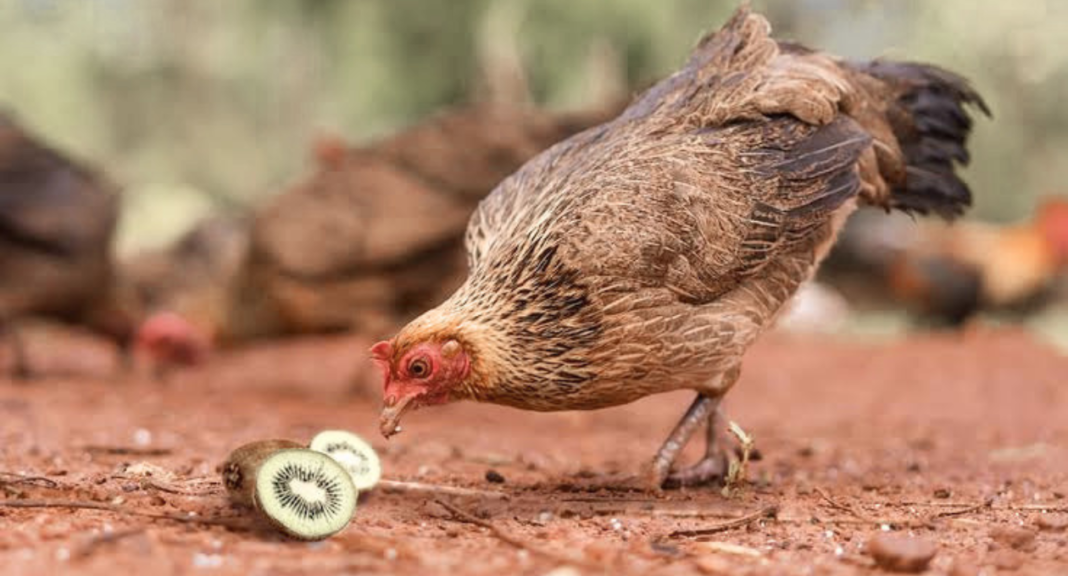

Kiwi is one of the most nutrient-dense fruits available today. Packed with vitamin C, fiber, antioxidants, and potassium, it’s a favorite among health-conscious humans. But if you’re a backyard chicken keeper, you’ve probably found yourself staring at a pile of ripe kiwis wondering: Can chickens eat kiwi?
The short answer is yes, chickens can safely eat kiwi. In fact, most flocks love it. However, like with any treat, there are important guidelines you should follow to keep your birds healthy. This complete guide covers the benefits, risks, best feeding practices, and everything in between.
Nutritional Benefits of Kiwi for Chickens
Kiwi fruit offers several impressive health benefits for poultry. One large kiwi contains more vitamin C than an orange, which can help boost your chickens’ immune systems, especially during stressful periods like molting, extreme weather, or recovery from illness.
The fruit is also rich in:
- Vitamin K – Supports healthy blood clotting and bone development
- Vitamin E – Acts as an antioxidant and supports skin and feather health
- Potassium – Helps maintain fluid balance and heart function
- Fiber – Promotes healthy digestion and prevents constipation
- Folate and antioxidants – Help fight inflammation and support cell health
Because kiwi has a high water content (around 83%), it also serves as a hydrating treat during hot summer months. Many chicken owners report that their birds become noticeably more active and vocal when kiwi is added to their diet.
The sweet-tart flavor of kiwi makes it highly palatable. Chickens usually devour both the bright green flesh and the tiny black seeds without hesitation.
Is Kiwi Safe for Chickens? Potential Risks
While kiwi is generally safe, there are a few precautions to consider:
High Sugar Content
Kiwi contains natural sugars (fructose). Too much sugar can lead to weight gain, diarrhea, or fatty liver disease in chickens. For this reason, kiwi should always be fed in moderation as a treat, not as a main part of their diet.
Pesticide Residue
Conventionally grown kiwis are often heavily sprayed. Always wash the fruit thoroughly or, better yet, buy organic kiwi when feeding your flock.
Choking Hazard for Chicks
Adult chickens can easily eat kiwi seeds, but baby chicks under 8 weeks old may struggle with large pieces. It’s safer to mash or finely chop kiwi for young birds.
Overfeeding
Feeding too much kiwi can cause loose droppings because of its high fiber and water content. A good rule is to follow the 10% rule — treats should make up no more than 10% of a chicken’s total daily diet.
Never feed rotten, moldy, or fermented kiwi. Mold can cause serious respiratory issues and other health complications in poultry.
How to Prepare and Feed Kiwi to Chickens
Here’s the best way to serve kiwi to your flock:
- Wash thoroughly – Even organic fruit should be rinsed.
- Cut into pieces – Quarter or slice the kiwi. Most chickens will eat the skin, but some prefer just the flesh.
- Mix it up – Combine chopped kiwi with other fruits and vegetables like apples, berries, cabbage, or leafy greens to create a balanced treat.
- Freeze it – On hot days, freeze kiwi slices or puree. Chickens love pecking at frozen fruit as it provides both nutrition and entertainment.
You can also hang kiwi pieces from strings or place them in a suet feeder to encourage natural foraging behavior.
How Much Kiwi Can Chickens Eat?
For a standard flock of 6–8 hens, one or two kiwis per week is more than enough. A single chicken can safely enjoy about 1–2 tablespoons of kiwi 2–3 times per week. Always observe your birds after introducing any new food. If you notice loose droppings or decreased feed intake from their main layer pellets, reduce the amount immediately.
Can Baby Chicks Eat Kiwi?
Baby chicks can eat kiwi starting at around 3–4 weeks of age, but only in very small amounts. The high sugar and water content can upset their delicate digestive systems if overdone. Mash the fruit well and mix it with chick starter feed or chopped boiled eggs for the first few feedings.
Other Fruits Chickens Love
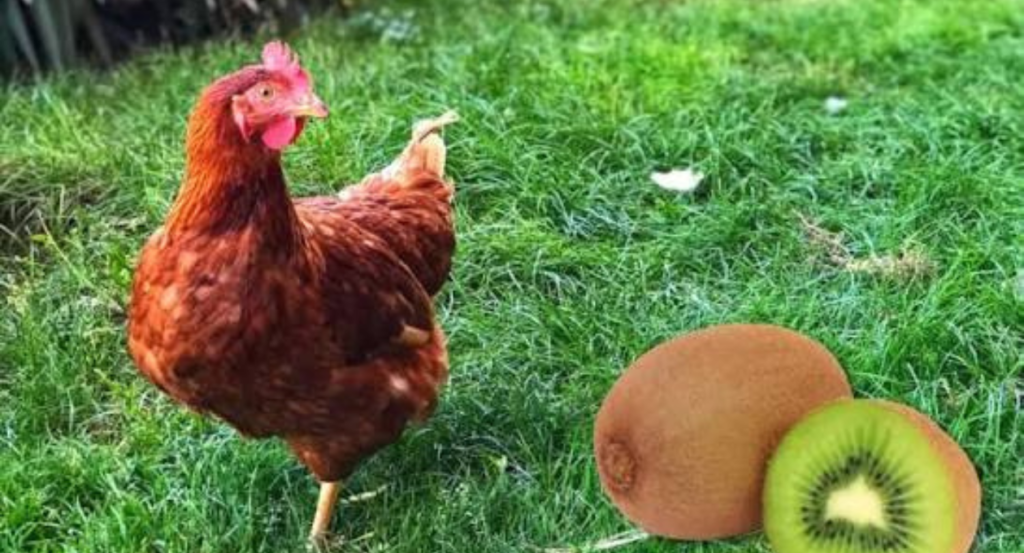
If your chickens enjoy kiwi, they will likely appreciate these similar safe fruits:
- Apples (without seeds)
- Bananas
- Berries (strawberries, blueberries, raspberries)
- Watermelon
- Mango
- Papaya
- Oranges (in moderation)
All of these should follow the same “treat in moderation” philosophy.
Final Thoughts: Should You Feed Kiwi to Your Chickens?
Absolutely. Kiwi is a healthy, vitamin-rich treat that most chickens genuinely enjoy. When fed responsibly, it can improve their nutrition, hydration, and even egg quality due to its impressive antioxidant profile.
The key is balance. A chicken’s primary diet should always be high-quality layer feed. Fruits like kiwi are best used as enrichment and occasional supplements, not meal replacements.
Next time you have extra ripe kiwis at home, don’t throw them away — share them with your flock. Your chickens will thank you with happy clucks, better health, and possibly even tastier eggs.
Read This: