
If you’ve ever come across a cluster of round, juicy-looking berries and wondered “Are these grapes?”, you’re not alone. Nature has produced several fruits that strikingly resemble grapes in shape, color, and growth habit. Some are delicious relatives or exotic alternatives, while others can be toxic or even dangerous if eaten.In this guide, we explore the most interesting Fruits That Look Like Grapes, how to identify them correctly, their taste profiles, health benefits, and which ones you should definitely avoid.
Why Do Some Fruits Resemble Grapes?
Grapes belong to the genus Vitis. However, many unrelated plants have evolved similar fruit structures — small, round, thin-skinned berries growing in clusters — because this design is highly effective for attracting birds and animals that help spread their seeds. This convergence creates beautiful but sometimes confusing lookalikes.
Here are the most common and fascinating fruits that look like grapes:
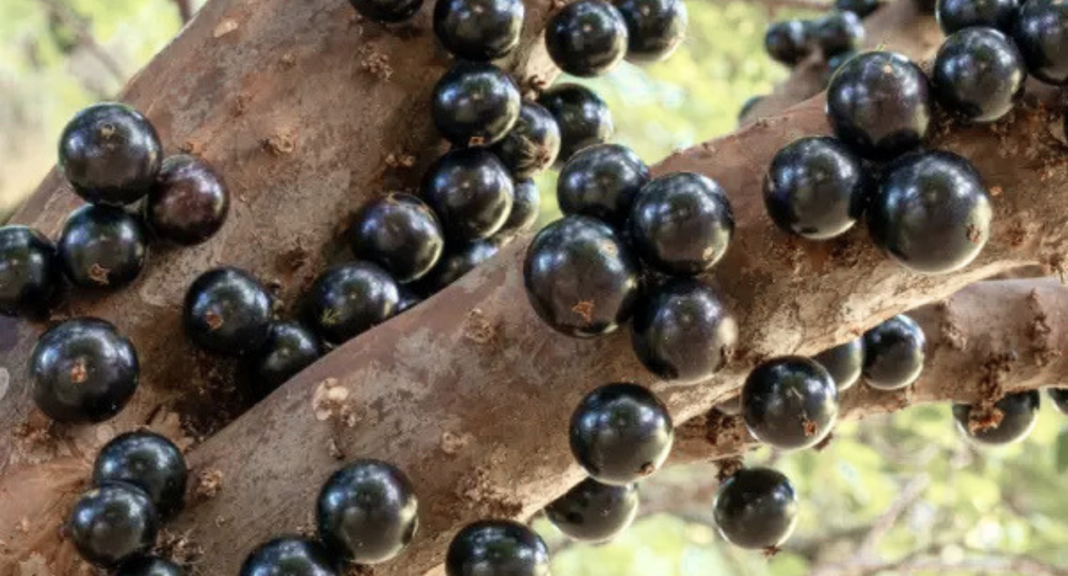
1. Jaboticaba (Myrciaria cauliflora)
Often called the “Brazilian Grape Tree,” jaboticaba is one of the most striking fruits that look like grapes. The dark purple to black fruits grow directly on the trunk and branches of the tree rather than on stems.
Each fruit is roughly the size of a large grape with a thick, leathery skin. The flesh inside is sweet, juicy, and slightly tart with a unique grape-like flavor. Jaboticaba is rich in antioxidants, vitamin C, and anti-inflammatory compounds. It’s popular for making jams, wines, and liqueurs.
2. Sea Grapes (Caulerpa lentillifera)
Despite the name, sea grapes aren’t fruit at all — they’re a type of green seaweed. These tiny, translucent green “pearls” grow in succulent clusters on stems, looking exactly like miniature green grapes.
Popular in Okinawa (Japan) and the Philippines, sea grapes have a satisfying pop when bitten and deliver a salty, oceanic flavor with a hint of sweetness. They are extremely high in minerals, iodine, and dietary fiber. Sea grapes are usually eaten raw as a delicacy in salads or with vinegar.
3. Muscadine Grapes (Vitis rotundifolia)
A true grape, but very different from supermarket varieties. Muscadines are much larger, have incredibly thick skins, and grow in small, loose clusters. They come in bronze, black, and purple colors.
These grapes are native to the southeastern United States and are famous for their strong, musky “foxy” flavor. They are exceptionally high in resveratrol and antioxidants. Muscadines are widely used for sweet wines, juices, and fresh eating.
4. Longan (Dimocarpus longan)
Longan fruits grow in heavy clusters and look like small, brownish-orange grapes. Often called “Dragon Eye Fruit,” the skin is thin and papery. Once peeled, the translucent white flesh surrounds a large black seed, creating an eye-like appearance.
The flavor is sweet, juicy, and slightly floral with hints of melon and grape. Longans are rich in vitamin C, potassium, and antioxidants. They’re widely eaten fresh across Southeast Asia and are often dried like raisins.
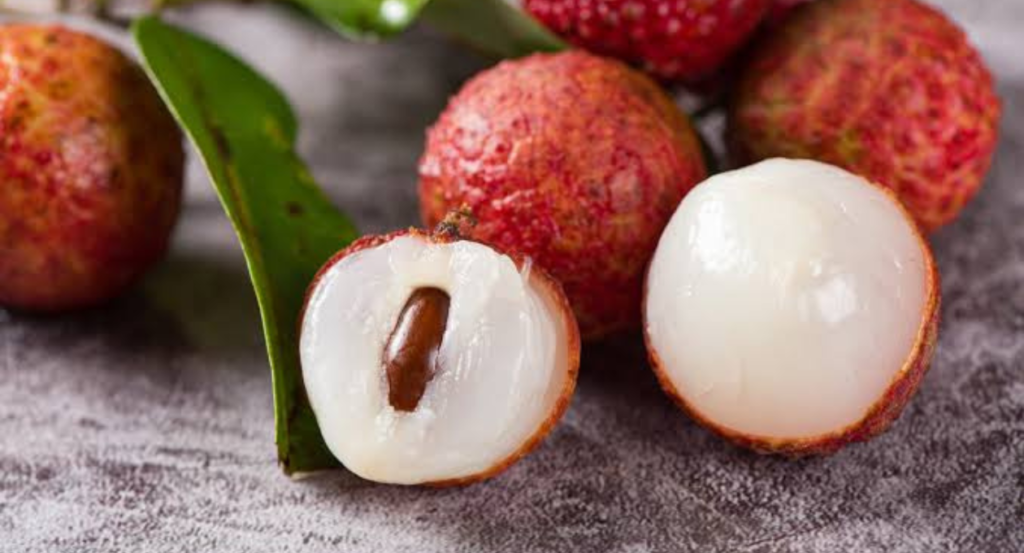
5. Lychee (Litchi chinensis)
Very similar to longan but usually brighter red when ripe. Lychees also grow in clusters and have a bumpy, leathery skin. The flesh is juicy, sweet, and fragrant with a grape-like texture.
Lychees contain high amounts of vitamin C, copper, and polyphenols. They are delicious fresh but are also used in desserts, cocktails, and ice creams. Note: Eating too many unripe lychees on an empty stomach can be dangerous due to natural toxins (hypoglycin A).
6. Black Currants and Red Currants
These small berries grow in drooping clusters that strongly resemble miniature grapes. Black currants have a deep purple-black color and intense tart-sweet flavor. They are nutritional powerhouses, containing up to four times more vitamin C than oranges.
Currants are excellent for jams, jellies, cordials, and baking. They are also dried and sold as “Zante currants,” which look like tiny raisins.
Dangerous Lookalikes to Avoid
Not every grape-like fruit is safe:
- Pokeweed Berries: Shiny, dark purple clusters on bright red stems. Highly toxic.
- Virginia Creeper Berries: Small blue-black berries that appear in clusters. Toxic to humans.
- Moonseed: Looks remarkably like wild grapes but has a crescent-shaped seed and is poisonous.
Rule of thumb: If you didn’t plant it or buy it from a grocery store, never eat any berry that looks like a grape without expert confirmation.
How to Tell Them Apart
- Real grapes have a woody stem and usually grow in larger, heavier bunches.
- Jaboticaba grows directly on wood (cauliflory).
- Sea grapes are bright green, translucent, and grow underwater.
- Longan and Lychee have a hard outer shell and a single large seed inside.
- Currants have much smaller berries and grow on small bushes.
Culinary Uses and Health Benefits
Most of these fruits are packed with antioxidants, vitamins, and fiber. They can be eaten fresh, turned into wines, jams, juices, or used in gourmet cooking. Sea grapes and jaboticaba, in particular, are rising in popularity among foodies and health enthusiasts looking for unique flavors and nutritional benefits.
Final Thoughts
From the dramatic jaboticaba to the oceanic pop of sea grapes and the familiar sweetness of muscadines, fruits that look like grapes offer incredible diversity. Whether you’re a forager, gardener, or food lover, learning to identify these grape lookalikes opens up a fascinating new world of flavors and textures.
Next time you see a cluster of grape-like berries, take a closer look — it might be one of nature’s delicious surprises.
Read This: