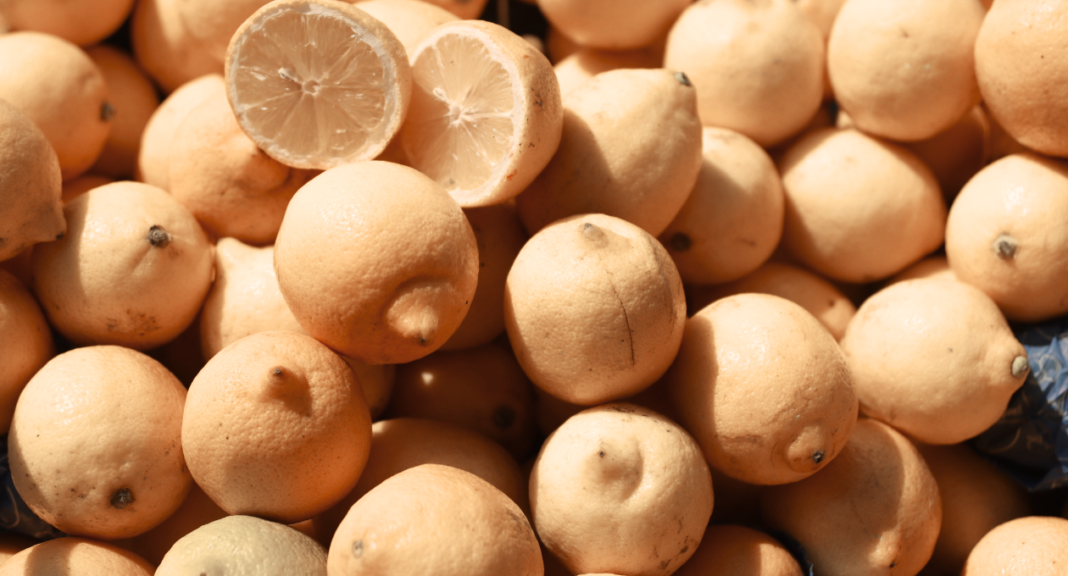

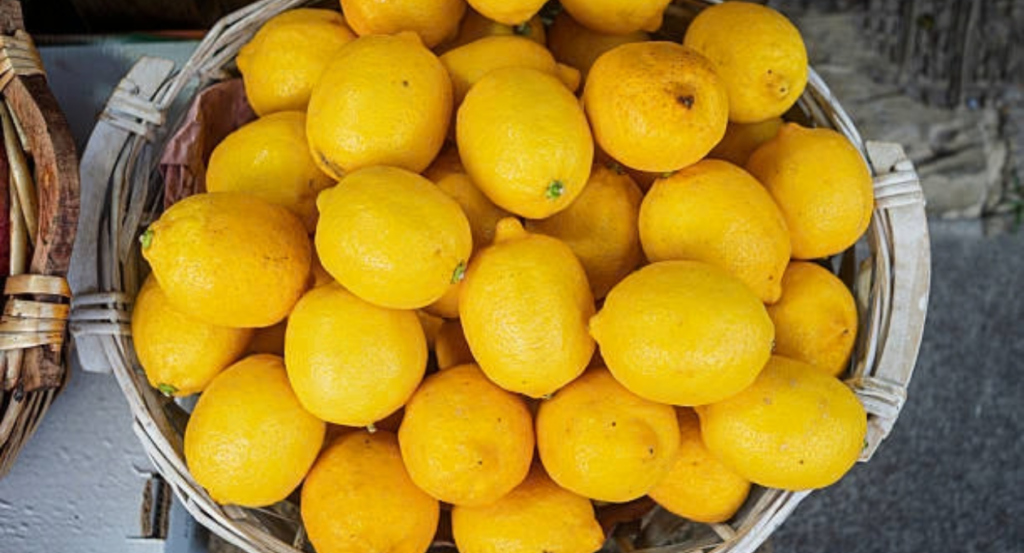
Lemons have suddenly become one of the most frustrating items to buy in 2025. Once a cheap, everyday staple, they’ve now turned into a luxury item in many supermarkets. Prices have skyrocketed, with single lemons selling for $1.49 to $2.29 in some regions, while others are simply absent from produce aisles entirely. Social media is flooded with photos of empty lemon displays and jokes about “Lemon Shortage scalpers.” But behind the memes lies a serious supply chain crisis that is affecting homes, bars, restaurants, and food manufacturers worldwide.
This isn’t just a temporary hiccup. The current lemon shortage is the result of multiple overlapping problems that have been building for years.
The Perfect Storm of Problems
The primary causes are both environmental and biological. Major lemon-producing regions — California, Arizona, Mexico, Spain, and Italy — have all been hit hard simultaneously.
California, America’s biggest domestic producer, has suffered from years of extreme drought followed by atmospheric rivers and flooding. Many lemon groves were either dried out or drowned. Meanwhile, Mexico, which supplies a massive portion of lemons to the U.S. and Europe during winter months, has faced its own challenges with erratic weather patterns and water restrictions.
Compounding the weather issues is Citrus Greening Disease (Huanglongbing), a devastating bacterial infection spread by the Asian citrus psyllid insect. Once a tree is infected, it slowly stops producing quality fruit and eventually dies. There is still no cure. Entire orchards in Florida were wiped out years ago, and the disease has now spread aggressively through California and Mexico. Farmers are ripping out trees faster than they can replant them.
Labor shortages in agriculture have made the situation worse. Harvesting lemons is difficult, physically demanding work that many locals avoid. Rising labor costs have forced some growers to abandon marginal orchards entirely.
On top of all this, global demand for lemons has increased significantly. Health-conscious consumers continue to add lemon to water, teas, and wellness routines. The explosion of cocktail culture, especially gin and tonics, limoncello, and whiskey sours, has driven commercial demand higher. Even TikTok food trends have played a role — lemon pasta, lemon olive oil cake, and “lemon everything” recipes have gone viral repeatedly.
The Ripple Effect
The economic impact is being felt at every level. Restaurants and bars are quietly raising prices or changing recipes. Some bartenders have started using preserved lemon or citric acid solutions as substitutes in cocktails. Grocery chains are limiting purchases to two lemons per customer in certain cities.
For food manufacturers, the problem is even more serious. Lemon juice, lemon oil, and lemon peel are critical ingredients in everything from salad dressings and beverages to cleaning products and cosmetics. Companies are facing either significant cost increases or reformulation headaches.
Small businesses have been hit particularly hard. Local lemonade stands, bakeries specializing in lemon desserts, and Greek/Mediterranean restaurants that rely heavily on fresh lemon are watching their margins shrink dramatically.
How to Cope With the Shortage
While we wait for new disease-resistant lemon varieties and better weather patterns, there are practical ways to reduce your dependence on fresh lemons:
Smart Substitutes:
- Limes are the closest replacement for most applications, though they are slightly more acidic and aromatic.
- Citric acid powder (available on Amazon or at brewing stores) can replicate the tartness perfectly in recipes. Use ¼ teaspoon of citric acid per lemon.
- Lemon extract or lemon essential oil works well in baking.
- Sumac or amchur powder (dried mango powder) provides a pleasant sour note in savory dishes.
- Verjus (unripe grape juice) offers a more delicate acidity.
Preservation Techniques:
When you do find affordable lemons, buy extra and preserve them. Meyer lemons can be stored in salt (Moroccan-style preserved lemons), which lasts for months in the refrigerator. You can also zest and juice lemons and freeze both separately for later use.
Grow Your Own:
Dwarf lemon trees (especially Meyer and Lisbon varieties) are thriving in containers on patios and balconies across the country. They’re surprisingly productive and provide both beautiful foliage and fruit.
Recipe Adaptation:
Many dishes that call for lemon can be reworked. Use orange or grapefruit for brightness in salads. In hummus or tzatziki, increase the garlic and add a touch of vinegar. For lemon curd, experiment with other citrus or even passionfruit.
Hope on the Horizon?
Agricultural scientists are working on genetically modified and conventionally bred citrus varieties resistant to greening disease. Some promising rootstocks are already being tested in California and Florida. However, it typically takes 5–7 years for new citrus trees to reach full production, meaning meaningful relief is still years away.
Climate change adaptation strategies, better water management, and new pest control methods will also be necessary for long-term stability.
Final Thoughts
The lemon shortage is more than an inconvenience — it’s a warning sign about the fragility of our global food system. A single fruit that most of us took for granted is now revealing how climate change, plant disease, and supply chain vulnerabilities can suddenly change everyday life.
In the meantime, we’ll squeeze the lemons we can find a little harder, get creative in the kitchen, and maybe plant a tree or two. The age of cheap, abundant lemons may be over for good. Like many things in 2025, we’re learning that nothing is guaranteed — not even the humble lemon.
faqs
1. Why is there a lemon shortage right now?
The current lemon shortage is caused by a combination of extreme weather events, severe drought in California and Mexico, and the rapid spread of Citrus Greening Disease (Huanglongbing). Labor shortages and rising production costs have also forced many farmers to reduce or abandon lemon orchards. This is not a temporary issue — multiple major producing regions have been affected at the same time.
2. How long will the lemon shortage last?
Most agricultural experts predict the shortage will continue through at least 2026 and possibly into 2027. Because citrus trees take 5–7 years to reach full production, even newly planted orchards will not provide immediate relief. Climate change and the lack of a cure for citrus greening make long-term recovery difficult.
3. Why are lemons so expensive in 2025?
Limited supply combined with steady (and in some cases growing) demand has driven prices up sharply. In many supermarkets, individual lemons are now selling for $1.50 to $2.50 each. Restaurants and manufacturers are also competing for the same limited stock, further pushing up wholesale prices.
4. Can I substitute limes for lemons?
Yes, limes are the closest substitute in most recipes. However, limes tend to be more aromatic and slightly more acidic. In cocktails, dressings, and savory dishes, the difference is usually minor. For baking, you may need to slightly reduce the quantity or add a touch more sugar to balance the flavor.
5. What is the best substitute for fresh lemon juice?
The most accurate substitute is citric acid powder mixed with water (¼ teaspoon of citric acid per lemon). Other good options include preserved lemon, lemon extract, verjus, or a combination of orange juice with a splash of vinegar. For savory Middle Eastern or Mediterranean dishes, sumac or amchur powder works very well.
Read This: