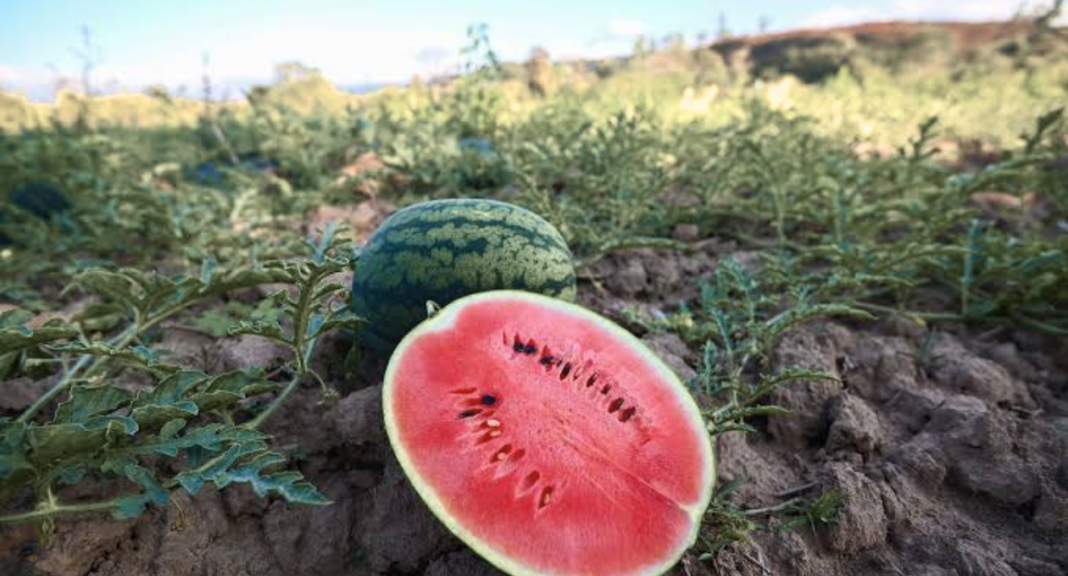

The 2026 watermelon shortage has caught everyone off guard. What was supposed to be a bumper summer harvest has turned into one of the most severe fruit shortages in recent memory. As temperatures climb and Independence Day approaches, grocery stores are limiting purchases, prices have more than doubled, and farmers are warning that the crisis could stretch well into 2027.
U.S. watermelon production is forecast to drop by 42% this year, the steepest decline since records began in the 1980s. Major growing states — Florida, Georgia, Texas, and California — have all been hammered. The national crop is expected to come in under 1.6 billion pounds, well below the typical 2.8–3 billion pound range. For a fruit that symbolizes summer refreshment, backyard barbecues, and Fourth of July picnics, the timing couldn’t be worse.
What Caused the 2026 Watermelon Collapse?
The shortage stems from a brutal combination of climate pressures, disease outbreaks, and supply-chain problems that began building in late 2025.
Extreme weather was the primary culprit. A punishing “megadrought” across the southern United States, combined with record-breaking heat waves that pushed temperatures above 105°F (41°C) for weeks, stunted vine growth and reduced fruit size dramatically. Many watermelons that did develop were small, misshapen, or split open from erratic monsoon rains that followed the drought. In Florida and Georgia, tropical storms flooded fields, destroying entire plantings just before harvest.
Disease followed closely behind. Fusarium wilt and powdery mildew, both worsened by temperature swings, swept through major production regions. Growers who cut back on fungicides to save costs during the previous year’s low-price environment paid a heavy price. In Texas, over 18,000 acres were abandoned after infections rendered the fruit unmarketable.
Labor shortages made the situation even more dire. Watermelons are still largely hand-harvested, requiring crews to lift and load heavy fruit under brutal summer sun. With fewer migrant workers available and competition from higher-paying construction and warehouse jobs, many farms left ripe melons rotting in the fields.
At the same time, global demand has surged. Watermelon is increasingly promoted for its high lycopene content, hydration benefits, and low-calorie profile. Export demand from Europe and Asia has remained strong, pulling supplies away from the domestic market. The rise of watermelon-flavored beverages, snacks, and functional drinks has further strained available stocks.
The Price Shock
The economic impact is immediate and painful.
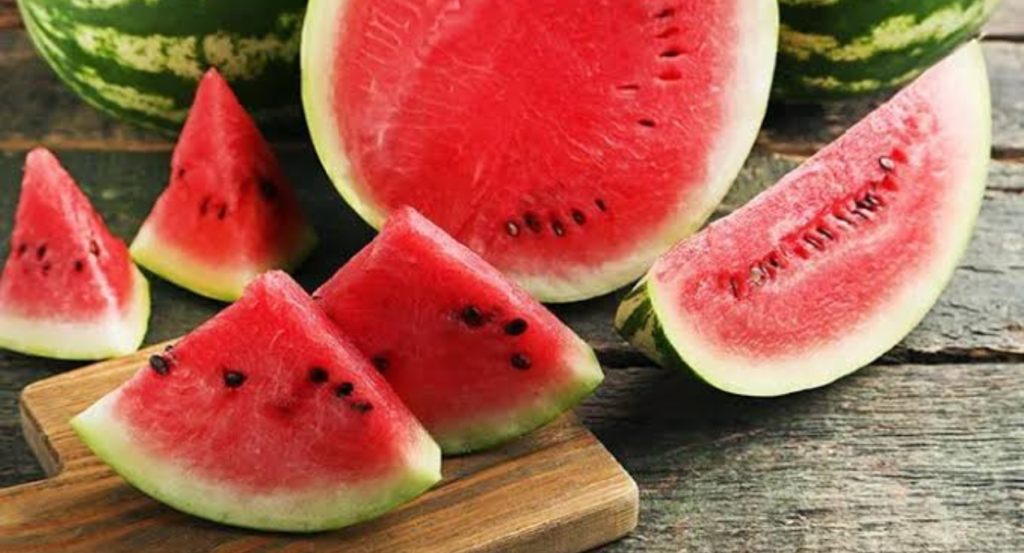
Wholesale prices have climbed 180% since last year. Retail prices for a standard 15–18 pound seedless watermelon, which normally sell for 4–6, are now running between $12 and $18 in many supermarkets. Mini watermelons and pre-cut containers have seen even steeper increases, sometimes exceeding $9 per small container. Several major retailers have introduced two-melon-per-customer limits, and some big-box stores have stopped carrying them altogether.
Restaurants and food manufacturers are feeling the pain too. Summer menus featuring watermelon salads, gazpacho, and cocktails have been rewritten. Juice companies have quietly reduced bottle sizes while raising prices by 45–65%. The snack industry, which relies on freeze-dried watermelon chips, is facing widespread shortages.
How the Industry Is Responding
Large growers are accelerating plans to shift production to more northern states and investing in drip irrigation and heat-resistant hybrid varieties. However, it typically takes three to four years for new watermelon fields to reach full productivity.
Food companies are scrambling for substitutes. Cantaloupe, honeydew, and even imported mangoes are being pushed as replacements in fruit salads and salsas. Some brands have begun using artificial watermelon flavoring combined with real fruit puree to stretch supplies. Craft beverage makers have canceled limited-run watermelon beers and hard seltzers that were already announced for summer 2026.
What Consumers Should Do Right Now
If you still want watermelon this summer, act quickly. Here are your best options:
- Buy early and freeze — Purchase whole melons as soon as they appear and cube and freeze them for smoothies, sorbets, and cocktails.
- Choose smart substitutes — Honeydew melon, cantaloupe, Persian cucumbers with lime and chili, or frozen pineapple chunks can deliver similar refreshing sweetness and juiciness.
- Grow your own — Container-friendly mini watermelon varieties can be grown on balconies or small gardens and are more resilient to heat than commercial types.
- Watch for imports — Mexico and Central America are increasing shipments, but expect to pay premium prices and accept a larger carbon footprint.
The Bigger Picture
The 2026 watermelon shortage is not an isolated event — it is a warning. Watermelons are extremely sensitive to heat stress and require massive amounts of water (up to 20 gallons per plant). With climate models predicting more frequent and intense droughts, heat domes, and erratic rainfall across traditional growing regions, experts say these shortages could become the new normal.
Progressive farmers are experimenting with shade nets, precision agriculture, and drought-tolerant rootstocks, but these innovations demand heavy investment that many smaller family operations cannot afford. Consolidation in the industry is likely to accelerate.
This summer, when you pay $15 for a mediocre watermelon — or hunt in vain for one at your local store — remember you’re witnessing the early stages of a fundamental shift in American agriculture. Our favorite summer fruit is becoming a luxury item, and the era of cheap, abundant watermelons may be ending.
The 2026 season will be remembered as the year summer lost its sweetest symbol.
Read This: