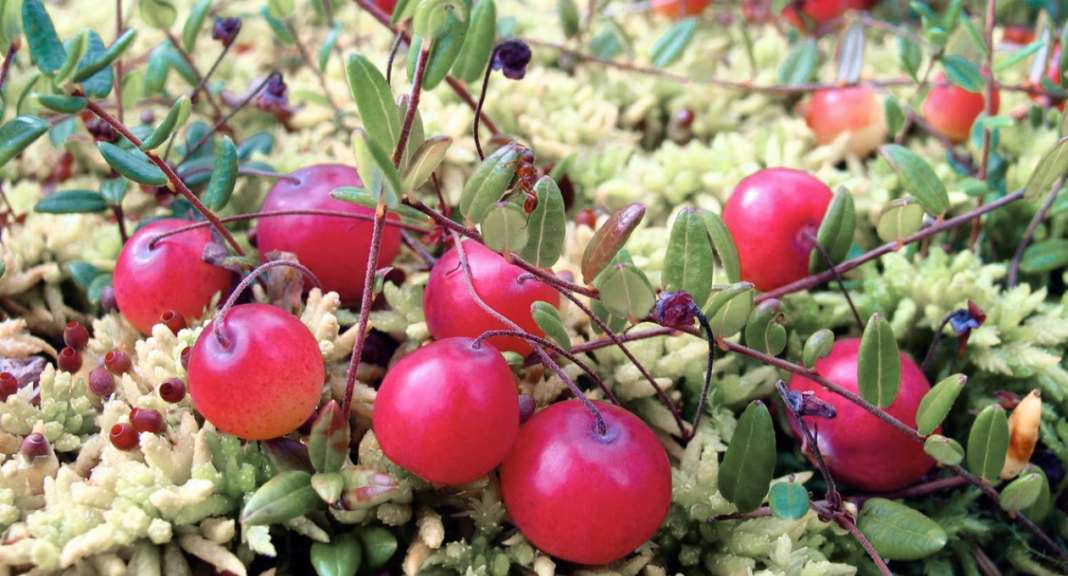

As we approach the holiday season of 2026, a peculiar and stressful sight has greeted shoppers across North America and Europe: empty shelves where the familiar stacks of canned sauce and bags of ruby-red berries once sat.cranberry shortage For the first time in decades, the “Great Crimson Crisis” is upon us.
If you’ve tried to source fresh cranberries for your Thanksgiving table or your morning antioxidant smoothie lately, you’ve likely noticed the price tag—if you can find them at all. What was once a staple of the autumn harvest has become a luxury item, with prices surging by nearly 400% since last year.
But how did we get here? The cranberry shortage of 2026 isn’t the result of a single bad harvest, but rather a “perfect storm” of climatic shifts, water scarcity, and economic pressures that have been simmering for years.
The Heat That Scorched the Bogs
The primary culprit behind the 2026 shortage is a dramatic shift in weather patterns across the primary growing regions: Wisconsin, Massachusetts, and parts of Eastern Canada. Cranberries are remarkably resilient plants, but they require a very specific cycle of temperatures to thrive.
In the winter of 2025-2026, the traditional “deep freeze” never arrived. Cranberry vines require a period of dormancy triggered by consistent cold to prepare for the spring bloom. The record-breaking warmth of last winter meant the plants never truly rested. When an unseasonable “false spring” hit in February, followed by a brutal late-April frost, the fragile buds were devastated.
Furthermore, the summer of 2026 saw unprecedented “heat domes” over the Midwest. Cranberries are essentially wetland fruit; they don’t just like water, they need cool roots. The prolonged 100-degree days literally cooked the berries on the vine before they could reach maturity, leading to a harvest that is estimated to be 60% lower than the five-year average.
The Water War
Beyond the heat, the industry is facing a structural crisis regarding water. Traditional cranberry farming involves flooding bogs for two critical stages: protection against frost and the harvest itself.
In 2026, water rights have become a legal battlefield. With droughts affecting the aquifers in the Northeast and competing demands from urban expansion in the Midwest, farmers have found themselves restricted. In some counties in Massachusetts, growers were barred from drawing water from local ponds during the crucial October harvest window to preserve municipal drinking supplies.
Without the ability to flood the bogs, the “wet harvest” method—where berries are floated to the surface—became impossible for many medium-sized farms. While dry harvesting is an alternative, it is labor-intensive and results in a higher rate of fruit damage, further shrinking the supply of “Grade A” berries available for consumers.
The Economic Ripple Effect
The shortage isn’t just hitting the produce aisle; it’s vibrating through the entire food industry. Cranberries are a massive component of the global beverage and snack market. Major juice brands have already begun “reformulating” their blends, often replacing cranberry juice with pomegranate or dark grape juice to mask the deficit.
The price of dried cranberries—a staple of the “healthy snack” movement of the early 2020s—has tripled. Bakeries that rely on seasonal muffins and breads are pivoting to blueberries or currants.
Even the cosmetic industry has felt the pinch. Cranberry seed oil, prized for its high fatty acid content and UV-protection properties, has seen its supply chain dry up, leading to the discontinuation of several popular skincare lines this autumn.
The “Black Market” and Holiday Hacks
The scarcity has led to some unusual consumer behavior. Social media is currently flooded with “cranberry trackers,” apps that alert users when a shipment of frozen berries arrives at a local grocery store. On secondary marketplaces, vintage cans of jellied sauce from the 2024 harvest are being traded like collectibles.
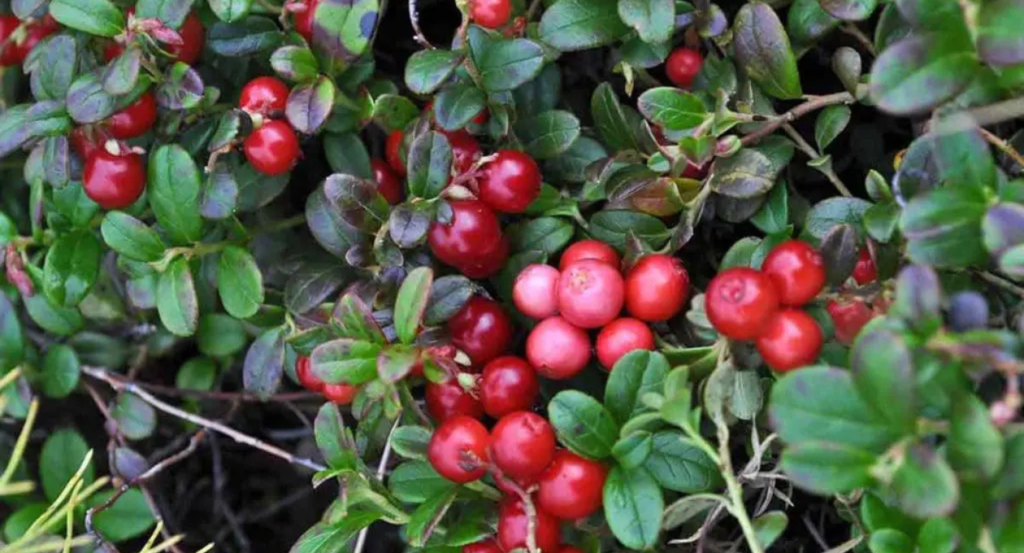
Culinary experts are urging consumers to get creative. “We have to rethink the plate,” says celebrity chef Marcus Thorne. “This year, the star won’t be the cranberry. We’re looking at lingonberry preserves from Scandinavia, or even spicy cherry chutneys, to provide that essential acid and sweetness we usually get from the bog.”
Looking Toward 2027: A Path to Recovery?
Is this the new normal? Agricultural scientists are working feverishly to ensure 2026 is an anomaly rather than a trend.
Research is currently being fast-tracked into “heat-hardy” cranberry cultivars. Using CRISPR technology, botanists are trying to develop vines that can withstand 90-degree temperatures without the fruit softening. Additionally, the industry is seeing a massive shift toward “Smart Bogs”—automated irrigation systems that use 70% less water by utilizing precision sensors to mist the plants rather than flooding entire fields.
For the consumer, the 2026 shortage serves as a stark reminder of the fragility of our food systems. The cranberry, a fruit that has graced North American tables since before the founding of the United States, is currently a symbol of our changing planet.
As you sit down for your holiday meals this year, if you’re lucky enough to have a small bowl of the “red gold” on your table, savor it. It represents the hard work of farmers who fought against the elements in a year when nature simply refused to cooperate. And perhaps, as we look toward 2027, we will value this tart, resilient little berry more than ever before.
faqs
Q1: How bad is the 2026 cranberry shortage?
The 2026 cranberry harvest is projected to be down approximately 38% from the five-year average — the lowest U.S. crop in over 20 years. Total production is expected to fall below 6.8 million barrels, compared to the normal 10–11 million barrel range. Fresh cranberries, frozen berries, juice concentrate, and dried cranberries are all affected.
Q2: What are the main causes of the 2026 cranberry shortage?
It is a combination of three major factors:
- Extreme weather (record summer heat and severe drought that dried out cranberry bogs)
- A widespread outbreak of Phytophthora (cranberry root rot) that destroyed thousands of acres
- Labor shortages that made harvesting the reduced crop even more difficult
These issues hit simultaneously in 2025–2026, creating a perfect storm.
Q3: Which states have been hit the hardest?
Wisconsin, which grows about 60% of America’s cranberries, suffered the worst losses. Massachusetts (the second-largest producer) also saw major declines. Oregon, New Jersey, and Washington experienced moderate losses but could not offset the shortfalls from the two dominant states.
Q4: How much more expensive will cranberries be this year?
Retail prices have already jumped dramatically. A standard 12-oz bag of fresh cranberries that usually costs 2.50–3.50 is now selling between $7.99 and $9.99 in many stores. Wholesale prices are up 165%. Cranberry juice and dried cranberries have increased 40–70% depending on the brand.
Q5: Will there be cranberry sauce at Thanksgiving 2026?
There will be sauce, but supplies will be limited. Ocean Spray has already stated it cannot fulfill all orders. Many grocery chains are implementing purchase limits (typically 2 bags per customer). Canned jellied sauce may be easier to find than whole-berry sauce. Stocking up early is strongly recommended.
Read This: